
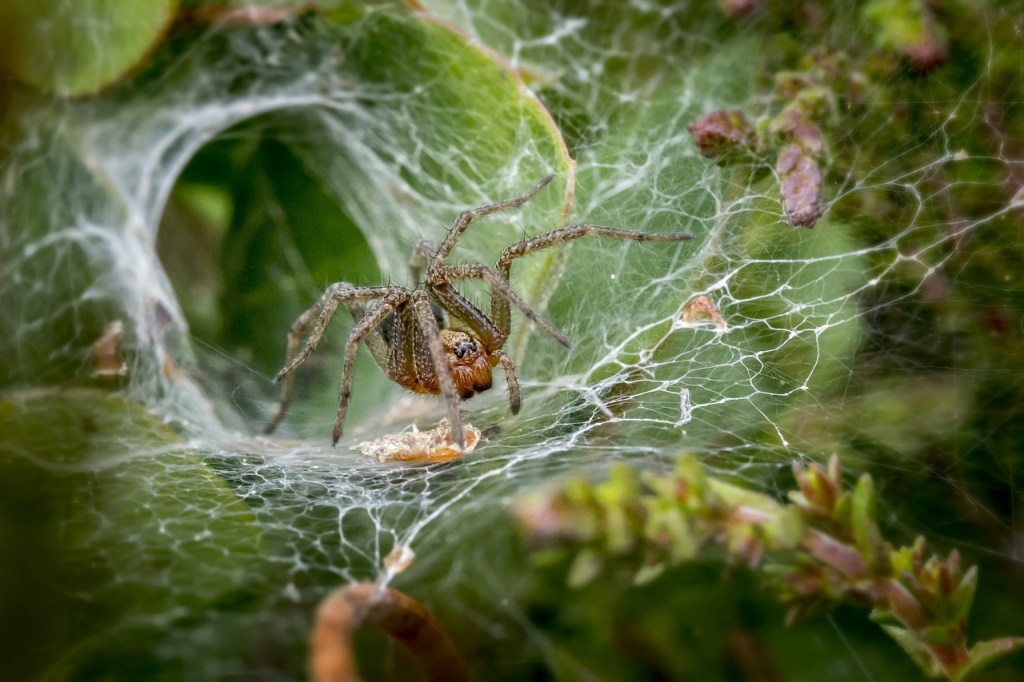
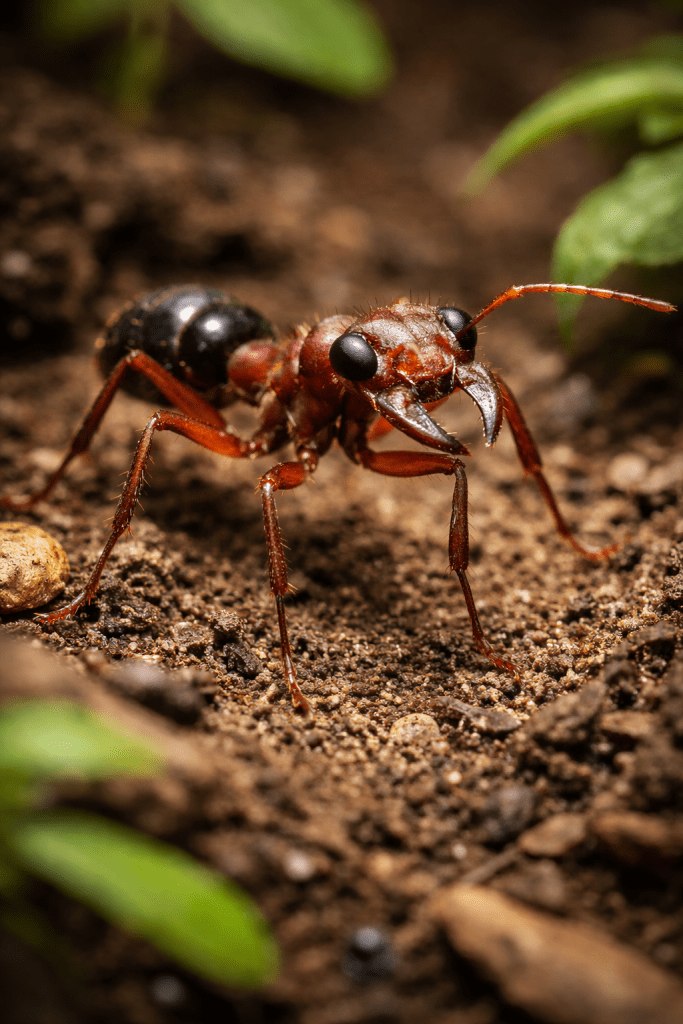
| In hindsight, there were signs I should have slowed down. But hindsight is a luxury rarely afforded to eight-year-olds with boundless curiosity and very little sense of personal vulnerability. I didn’t just stumble across funnel-web spiders — I encouraged them out. With sticks, prodding, poking, and a level of confidence that can only exist before consequences are fully understood. Their burrows fascinated me: silk-lined tunnels disappearing into the ground and shed crevices like secret passageways. I wanted to see what lived inside. I wanted confirmation. Apparently, that was a bad thing. Funnel-webs are not spiders that appreciate encouragement. They are defensive, fast, and built for confrontation when their space is invaded. Even then, I didn’t register them as “dangerous” — only as impressive. It’s astonishing now to think how close curiosity came to catastrophe, all in the name of seeing what would happen next. Then there were the ants. Bull ants, specifically. I was nine years old when I accidentally sat on a bull ant nest. There was no warning, no slow escalation — just sudden, immediate pain from multiple directions. They swarmed with purpose, each sting landing like a separate decision. Sharp. Burning. Relentless. What surprised me most wasn’t just the pain — it was how long it lasted. The sensation didn’t fade politely. It lingered. The memory of it stayed vivid for years afterward, as though my body kept a record long after the skin had healed. Even now, the phrase bull ant sting carries weight. Those encounters didn’t make me afraid of insects. They made me aware. Australia doesn’t ease you into understanding boundaries. It enforces them. Its insects are efficient teachers — not cruel, not malicious — just very clear about where you stand. Step into the wrong space, disturb the wrong home, underestimate the wrong creature, and the lesson arrives without ceremony. As a gardener now, those moments sit quietly in my hands every time I work close to the soil. When I reach into long grass. When I lift stones or disturb old ground. I move with a caution that wasn’t taught — it was earned. Behind the spade, I’ve learned that curiosity must be paired with restraint. Not everything wants to be seen. Not everything needs to be tested. Some lives are best acknowledged from a respectful distance. The garden rewards that kind of attention. And if I ever hesitate before poking at a hole in the ground, it’s not fear holding me back — it’s memory. |
| 10 True Facts About the Australian Funnel-Web Spider Funnel-web spiders live in silk-lined burrows. They build tubular burrows in soil or leaf litter, often with fine trip-lines of silk radiating outward to detect movement. They are mostly nocturnal. Funnel-webs spend much of the day inside their burrows and become more active at night, especially after rain. Male funnel-webs are more dangerous to humans than females Males roam in search of mates and are responsible for most serious bites because their venom is more potent. Their venom affects the nervous system. Funnel-web venom interferes with nerve function, which is why untreated bites can cause severe symptoms. They are highly defensive when threatened. If disturbed, a funnel-web will rear up and expose its fangs, ready to strike rather than flee. They have large, powerful fangs. Their fangs are strong enough to penetrate soft footwear and even fingernails, making bites particularly serious. Funnel-web spiders can survive underwater for hours Their burrows can flood during heavy rain, and they can tolerate submerged conditions surprisingly well. They are fast — much faster than they look. Despite their stocky appearance, funnel-webs can move very quickly over short distances. Antivenom has made bites far less deadly. Since the development of funnel-web antivenom, no confirmed deaths have occurred when treatment is available promptly. They play an important role in controlling insect populations Funnel-webs feed on insects and other small invertebrates, contributing to ecological balance despite their fearsome reputation. |
| 10 True Facts About the Australian Bull Ant Bull ants are among the largest ants in the world. Some species grow longer than 2.5 centimetres, making them unmistakable once you know what you’re looking at. They have exceptionally good eyesight. Unlike many ants that rely mostly on scent, bull ants use vision to navigate and recognise intruders. They are solitary foragers. Bull ants often hunt alone rather than in long trails, which adds to their unpredictable nature. Their sting is both painful and long-lasting. The venom causes intense pain that can linger for hours or even days in some people. They defend their nests aggressively. If a nest is disturbed, bull ants will attack quickly and in numbers, using both stings and powerful jaws. They can sting repeatedly. Unlike bees, bull ants do not lose their stinger and can sting multiple times in succession. They are active during the day. Many species forage during the day, making encounters more likely than with nocturnal insects. Bull ants use landmarks to find their way home. They memorise trees, rocks, and ground features to navigate back to their nest rather than following scent trails. Some species can jump when threatened. So-called jumper ants can leap short distances, adding to the shock of an encounter. They play an important role in their ecosystems. Bull ants prey on insects and help regulate populations, despite their formidable reputation. |
 Earthly Comforts