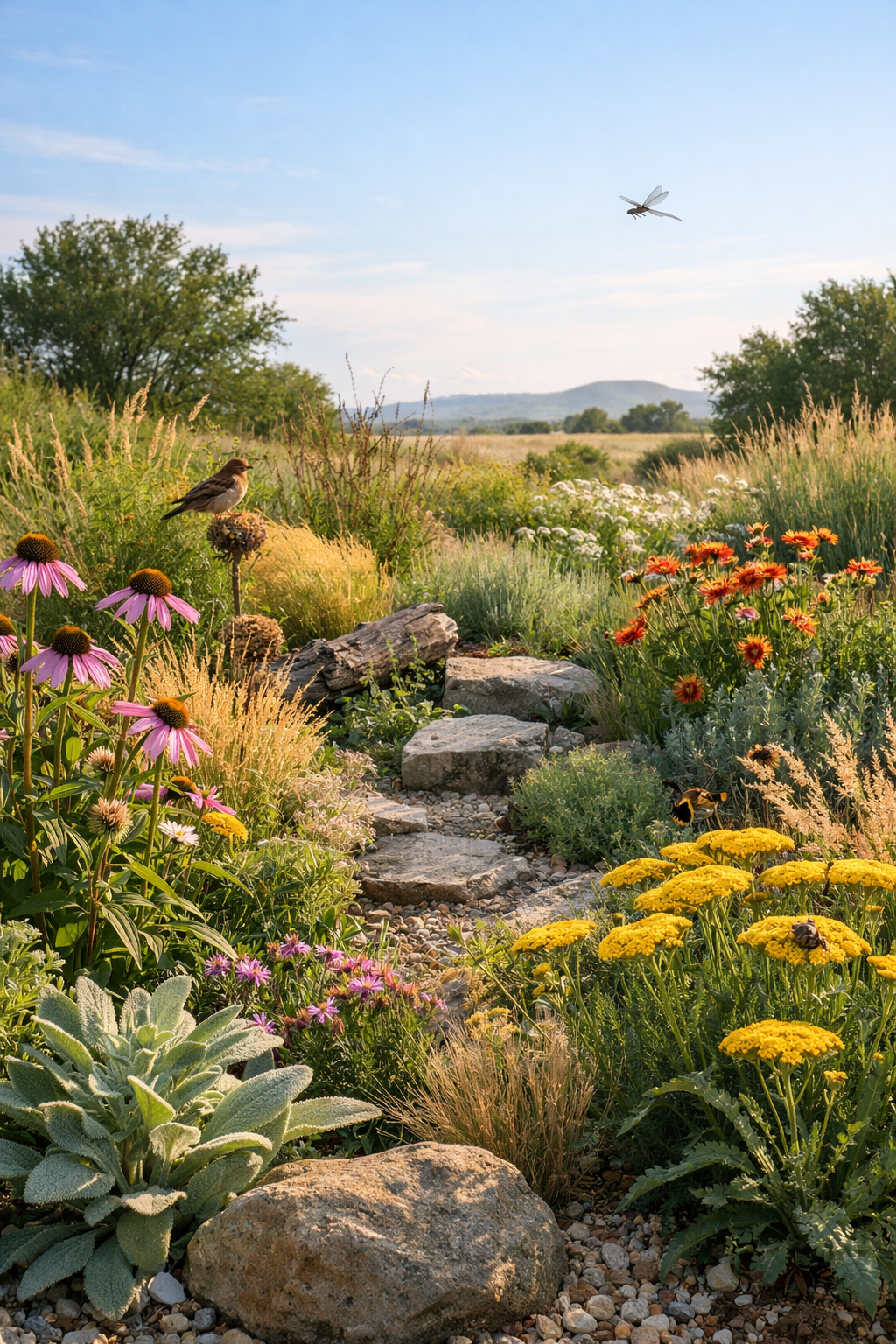
| Gardening That Thrives Without Intervention In a world where time, energy, and natural resources are under increasing pressure, the idea of a garden that asks for almost nothing can feel quietly radical. Zero-input plants sit at the heart of this idea. They are plants that survive, and often thrive, without fertilisers, irrigation systems, constant pruning, or chemical intervention. Once established, they largely take care of themselves. This is not neglect; it is alignment. Zero-input planting is not about doing less because we do not care. It is about doing less because the system itself is working. When plants are well matched to their environment, they fall into rhythm with soil, rainfall, temperature, and surrounding life. The result is a garden that feels stable, resilient, and calm rather than needy and fragile. The concept is closely linked to ecological gardening and long-term sustainability, but it is also deeply practical. For gardeners managing physical limitations, busy lives, or large areas on limited budgets, zero-input plants are not an idealistic luxury. They are a necessity. What “Zero-Input” Really Means Zero input does not mean zero effort forever. There is always an establishment phase. Plants need to be planted correctly, given enough water to help their roots settle, and occasionally protected while young. What defines a zero-input plant is what happens after that phase has passed. Once settled, these plants do not rely on feeding regimes, regular watering, or corrective pruning to survive. They cope with seasonal extremes. They tolerate poor or average soils. They resist most pests and diseases through their own natural defences. If left alone, they continue to return year after year without intervention. This distinguishes them from high-input plants, which often look impressive but rely on constant human support to remain healthy. Zero-input plants trade short-term drama for long-term reliability. Why Zero-Input Plants Matter Now Climate patterns are becoming less predictable. Summers bring longer dry spells, winters bring sudden cold snaps, and rainfall is increasingly uneven. Gardens built around fragile plants struggle under these conditions, while resilient plants adapt. Zero-input plants also reduce dependency on external resources. Less watering means lower water use. No fertilisers means fewer nutrients leaching into soil and waterways. Reduced pruning and replacement lowers green waste and labour demands. Taken together, this creates a quieter, more balanced garden system. There is also a psychological benefit. Gardens designed around constant maintenance can feel like an obligation. Zero-input gardens feel like companions. They grow, rest, decline, and return on their own terms, allowing gardeners to observe rather than control. The Core Traits of Zero-Input Plants While species vary widely, most zero-input plants share a common set of characteristics. They tend to have deep or efficient root systems that allow them to access moisture without surface watering. Many have tough or waxy leaves that reduce water loss. Others die back naturally in harsh seasons, conserving energy below ground. They are usually well adapted to local conditions. Native plants often fall into this category, but not exclusively. Many non-native plants also behave responsibly when placed in the right setting. Crucially, zero-input plants are not demanding about soil. They do not require heavily amended beds or precise nutrient balances. In fact, overly rich soil can make some of them weaker, encouraging soft growth that attracts pests. Rethinking Aesthetics in the Garden One challenge with zero-input planting is expectation. Many gardeners are used to tidy, tightly controlled spaces where everything looks perfect at all times. Zero-input plants do not always behave that way. They may seed themselves, spread slowly, or die back completely before re-emerging. This requires a shift in perspective. Instead of seeing these changes as a mess or failure, they can be understood as movement and adaptation. A garden built around zero-input principles often looks more relaxed, seasonal, and honest. It reflects natural cycles rather than fighting them. Importantly, low-input does not mean low beauty. Texture, structure, scent, and subtle colour become more prominent when a garden is not constantly being cut back or replaced. Zero-Input Plants and Wildlife Gardens that rely on minimal intervention tend to support more life. Insects, birds, and soil organisms respond well to stability. When plants are not constantly disturbed, sprayed, or removed, food sources remain available, and shelter persists. Many zero-input plants form long-term relationships with local wildlife. Some host specific insects. Others provide seeds or winter shelter. Over time, these interactions create a small but meaningful ecosystem that contributes to wider environmental health. This also reduces the need for pest control. Balanced systems regulate themselves more effectively than controlled ones. Designing With Zero-Input in Mind Zero-input gardening is as much about placement as it is about plant choice. A drought-tolerant plant will still struggle in heavy shade or waterlogged soil. Observing the garden before planting is essential. Light levels, drainage, exposure, and existing plant communities all offer clues about what will succeed with minimal help. Grouping plants with similar needs reduces stress on the system. Letting ground-cover plants knit together suppresses weeds naturally. Allowing perennials to grow to their full size avoids the need for constant cutting back. Patience plays a central role. Zero-input gardens often take longer to look established, but once they do, they tend to remain stable for years. Who Zero-Input Gardening Is For Zero-input planting suits many types of gardeners. It supports those who want to reduce physical strain, lower costs, or garden in a more environmentally responsible way. It also suits people who value long-term thinking over quick results. For professional gardeners and land managers, zero-input plants reduce maintenance hours and increase reliability across seasons. For private gardeners, they offer freedom. A garden that continues to function during illness, holidays, or busy periods becomes a source of reassurance rather than pressure. Ultimately, zero-input plants represent a quiet shift in mindset. They ask us to work with the land rather than impose ourselves upon it. In doing so, they create gardens that are not only easier to care for but also more resilient, grounded, and alive. |
Zero-Input Plants
 Earthly Comforts