
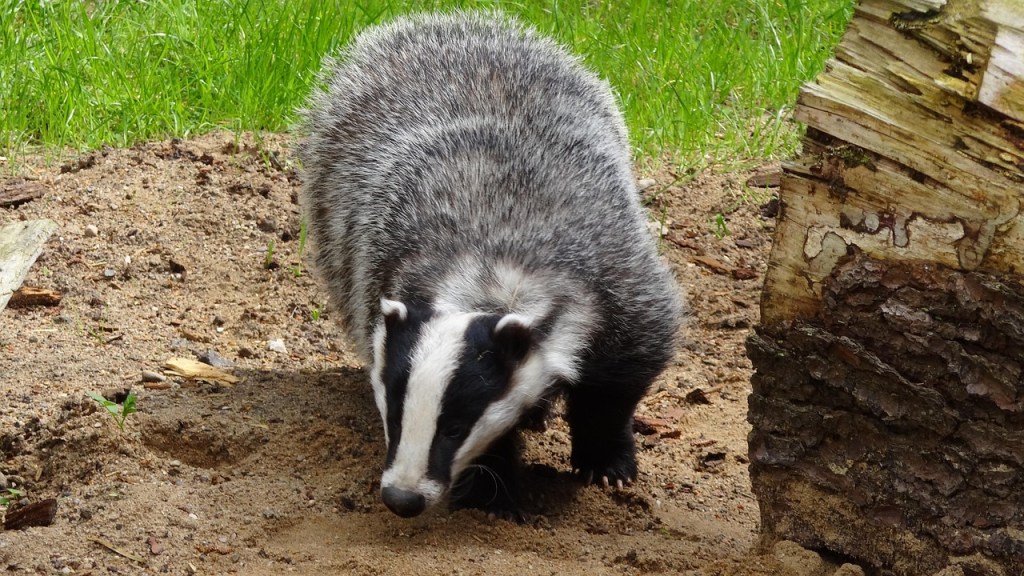
| Beneath the Stripes The Hidden Life of Badgers in the UK Few wild animals are as deeply rooted in the British landscape—and imagination—as the badger. Stocky, powerful, and unmistakably marked with black-and-white stripes, badgers are creatures most people know of but rarely see. They move almost entirely under the cover of darkness, shaping the land below ground while quietly travelling well-worn paths above it. To understand the badger is to understand continuity. This is an animal tied to place, memory, and landscape structure. Badgers are not wanderers. They are residents—often living in the same territory for generations. Their presence speaks of long-established ground, stable habitats, and a countryside that still allows time to move slowly. |
| What Is a Badger? The European badger is one of the UK’s largest native land mammals. Broad-bodied and low-slung, it has powerful shoulders, short legs, and strong claws built for digging. Its coarse grey coat contrasts with the bold black-and-white facial stripes that make it instantly recognisable, even in low light. Badgers are members of the mustelid family, related to otters, stoats, and weasels—but they are very different in both scale and behaviour. Where others are fast and fluid, badgers are deliberate and solid, built for strength rather than speed. They are calm animals, but not weak ones. A Life Centred on the Sett At the heart of every badger group is the sett—a complex underground network of tunnels and chambers. Some setts are simple and temporary, while others are vast, ancient structures with multiple entrances, nesting chambers, and ventilation holes. Main sets may be used continuously for decades, even centuries, passed down through generations. They are carefully maintained, with old bedding removed and replaced, tunnels repaired, and entrances kept clear. Setts are usually located in well-drained soil on slopes, woodland edges, hedgerows, or banks—places that offer both stability and cover. Social but Structured Badgers live in social groups known as clans. Group size varies depending on habitat quality, with richer areas supporting larger clans. Each group occupies a defined territory, marked with scent and defended against neighbouring badgers. Although they live in social groups, badgers are not constantly together. Individuals forage alone or in small groups, returning to the sett at different times. Social interaction is calm and ritualised rather than chaotic. Within the clan, there is a clear structure, shaped more by familiarity and space than by aggression. Nocturnal Travellers of Familiar Routes Badgers are almost entirely nocturnal. At dusk, they emerge from the sett and begin moving along established paths—often called badger runs—that may have been in use for generations. These routes connect feeding areas, latrines, water sources, and boundary points. A badger may travel several kilometres in a night, following the same paths with remarkable consistency. Their movements are purposeful, not random. Badgers know their land intimately. Diet: Omnivorous and Seasonal Badgers are omnivorous and have a highly flexible diet. Earthworms make up a major part of their diet, especially in damp conditions. In addition, they eat insects, grubs, beetles, slugs, fruit, berries, roots, bulbs, small mammals, amphibians, eggs, and carrion. Their diet shifts with the seasons. Spring and summer bring invertebrates and young plant growth. Autumn is a time of fruit, nuts, and energy-rich foods, allowing badgers to build fat reserves for winter. This adaptability has helped badgers survive in a wide range of landscapes. Digging: Strength with Purpose Badgers are exceptional diggers. Their forelimbs and claws allow them to excavate large volumes of soil quickly. Digging serves many purposes: building and maintaining setts, accessing prey, and creating latrines. Despite concerns, badger digging rarely causes serious long-term damage to land. Most disturbances are localised and temporary, and in natural systems, digging helps aerate soil and redistribute nutrients. Their engineering is targeted, not destructive. Latrines and Communication One of the more distinctive signs of badger presence is the latrine—small, shallow pits used repeatedly for defecation. These are often found along territory boundaries or near paths. Latrines are not random. They are part of a sophisticated scent-based communication system that helps badgers identify neighbours, maintain boundaries, and reduce conflict. To a badger, scent is information. Breeding and Cubs Badgers mate year-round, but births usually occur in late winter or early spring. This timing is possible due to delayed implantation, allowing development to pause until conditions are favourable. Females give birth underground to one to five cubs, which remain in the sett for several weeks. Cubs are born blind and helpless, gradually emerging above ground in spring. These early weeks are critical, and disturbance to setts during this period can have serious consequences. Growing Up Underground Young badgers learn their world slowly. They begin with tentative steps outside the sett, playing, wrestling, and exploring close to home. These behaviours build strength, coordination, and social bonds. As they grow, cubs gradually join adults on short foraging trips, learning routes and feeding areas that may remain part of their lives for years. Badgers do not rush development. Experience matters. Seasonal Rhythm and Winter Behaviour Badgers do not hibernate, but their activity reduces significantly in winter. During cold or frozen periods, they may remain underground for several days at a time, living off stored fat. Mild winters allow more regular foraging, while harsh conditions increase reliance on autumn fat reserves. Setts provide insulation and safety during these quieter months. Spring brings renewed activity and visible signs of life around sett entrances. Badgers in Human Landscapes Badgers live alongside people more often than many realise. Woodland edges near towns, farmland boundaries, railway embankments, golf courses, and even large gardens can all support setts. Conflicts usually arise around digging, setts near development, or concerns about disease. However, badgers are not aggressive toward people and avoid confrontation whenever possible. Most interactions happen without either party noticing the other. Protection and Controversy Badgers are legally protected in the UK, reflecting both their ecological importance and the persecution they have endured. It is illegal to harm badgers or interfere with their setts without permission. They have also become one of the most controversial species in the country due to their association with cattle disease. This has led to strong public debate, shaped by emotion, science, farming pressures, and ethics. Understanding badgers requires separating the animal itself from the arguments surrounding it. Why Badgers Matter Ecologically Badgers influence ecosystems in subtle but important ways. Their digging affects soil structure, their feeding controls invertebrate populations, and their setts provide shelter for other animals once abandoned. They are also preyed on by very few predators, placing them near the top of the terrestrial food web. Their stability reflects long-term habitat continuity. Where badgers thrive, the land has usually been relatively undisturbed for generations. Signs Without Sight Most people never see a badger directly. Instead, they notice signs: footprints in mud, snuffle holes in grass, latrines, worn paths, or disturbed soil near sett entrances. These traces tell a story of nightly movement and quiet presence. Badgers leave marks of use rather than display. Learning to read these signs is the closest many people come to knowing them. Myth, Symbol, and Reality Badgers have long been woven into British folklore, often portrayed as wise, stubborn, or fiercely territorial. While these images are exaggerated, they reflect real traits: attachment to place, resilience, and quiet authority. In reality, badgers are neither villains nor saints. They are animals shaped by land, food, and time. Their story is one of endurance rather than drama. Why Badgers Matter Culturally Badgers matter because they connect us to continuity. A sett that has existed for decades reminds us that not everything in the landscape changes quickly. They encourage long-term thinking—about land use, coexistence, and responsibility. When badgers disappear, it is rarely sudden. It is the result of gradual pressure. Protecting badgers often means protecting patience. Learning to Share Space Living alongside badgers requires tolerance rather than control. Fencing sensitive areas, carefully managing boundaries, and respecting sett locations are usually more effective than confrontation. Badgers are not adaptable to constant disruption. They need stability, space, and time. When those are present, conflict tends to fade. The Quiet Backbone of the Land Badgers do not announce themselves. They do not dazzle or perform. They persist. Night after night, year after year, they follow the same paths, maintain the same setts, and raise new generations beneath the soil. They are part of the backbone of the British countryside—solid, slow, and deeply rooted. |
 Earthly Comforts