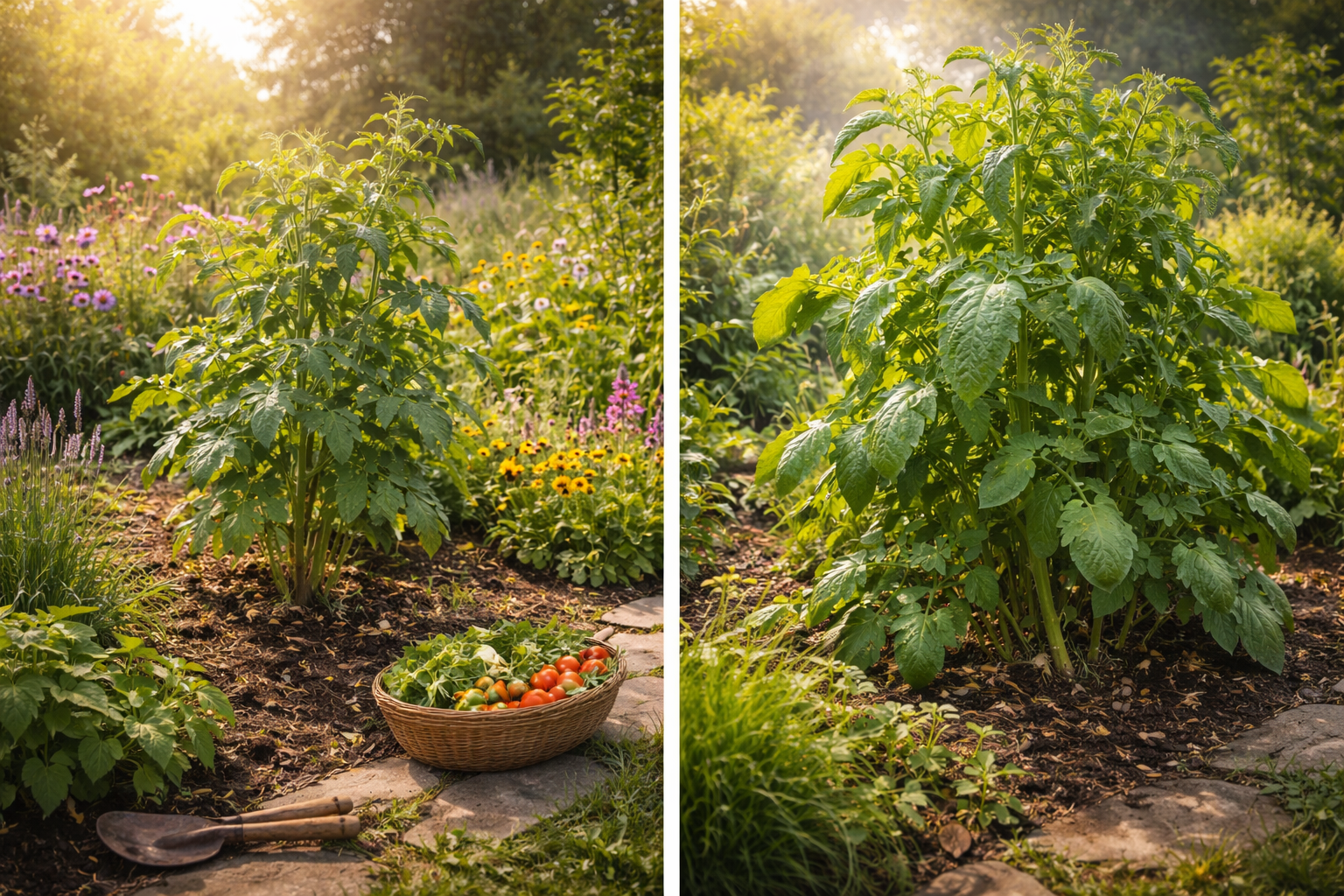
| Why Strong Growth Isn’t Always a Good Sign In gardening, few words are used more casually—and more incorrectly—than vigour. Fast growth, lush foliage, and bold colour are often taken as proof that a plant is thriving. Yet vigour and health are not the same thing. In fact, they can sometimes be in quiet opposition to one another. Understanding the difference between the two is one of the most important mindset shifts a gardener can make, especially when aiming for long-term, resilient gardens rather than short-term visual impact. Vigour describes speed and force. It is about how quickly a plant grows, how many leaves it produces, and how assertively it expands into its space. Health, by contrast, is about balance. It is the plant’s ability to function well over time, resist stress, interact appropriately with its environment, and maintain steady growth without collapse or exhaustion. A vigorous plant may look impressive in the moment, but a healthy plant is one that lasts. Modern gardening culture often rewards vigour. Garden centres display plants heavily fertilised. Lawns are judged by how fast they green up. Borders are praised for density and fullness. Yet much of this vigour is artificially induced. High-nitrogen feeds, excessive watering, and constant intervention can create plants that surge forward but lack structural strength, deep roots, and natural resilience. They grow quickly, but shallowly—both literally and biologically. One of the clearest examples of vigour without health is soft, sappy growth. This kind of growth looks lush but is weak at a cellular level. Leaves are thin, stems are brittle, and tissues are attractive to pests such as aphids and slugs. Fungal diseases also favour these conditions, as overly fast growth often outpaces a plant’s natural defences. The plant appears successful, but it is actually vulnerable. Healthy growth is slower and denser. It comes from balanced nutrition rather than excess feeding. Cells develop properly, lignin builds in stems, and root systems expand steadily rather than racing for quick uptake. Healthy plants may not win instant admiration, but they hold their form, recover from stress more easily, and require less corrective work from the gardener. Soil is where the difference between vigour and health begins. A soil repeatedly fed soluble nutrients may produce rapid top growth, but it often lacks structure, microbial diversity, and long-term fertility. Healthy soil, by contrast, supports plants gradually. It releases nutrients in step with plant demand, buffers against extremes in moisture, and fosters beneficial relationships between roots and microorganisms. Plants grown in living soil are rarely explosive in growth, but they are far more stable. Root systems tell the story clearly. Vigorous top growth paired with weak roots is a warning sign. When roots are shallow or underdeveloped, plants rely heavily on external inputs—frequent watering, constant feeding, and protection from weather extremes. Healthy plants invest energy below ground. Their roots explore, anchor, and communicate with soil life. This unseen work enables a plant to cope with drought, heat, cold, and competition. Pruning practices also reveal the tension between vigour and health. Heavy pruning often stimulates strong regrowth, which can look like success. However, repeated cycles of hard cutback followed by forced regrowth can exhaust plants over time. Healthy pruning supports structure, airflow, and proportion without constantly triggering stress responses. A plant that needs aggressive pruning every season may be vigorous, but it is rarely balanced. Lawns offer another clear illustration. A lawn fed heavily with nitrogen will grow fast, need frequent mowing, and look bright green for a short period. Yet it will also be shallow-rooted, thirsty, and prone to disease. A healthier lawn grows more slowly, stays greener during dry spells, and tolerates wear better. It may not shout for attention, but it quietly performs. The same principle applies to flowering plants. Excessive feeding often leads to more leaves at the expense of flowers. The plant’s energy is directed into expansion rather than reproduction. A healthy plant flowers in proportion to its size and conditions, not because it has been forced, but because it is functioning well within its limits. Gardeners sometimes misinterpret stress responses as vigour. Rapid growth after damage, for example, is often a survival mechanism rather than a sign of well-being. Plants pushed into repeated stress cycles may grow aggressively, but this comes at a cost. Over time, their ability to respond diminishes, leading to a sudden decline that seems mysterious but is actually predictable. Climate resilience brings this distinction into sharp focus. Gardens built on vigour struggle when conditions shift. Heatwaves, droughts, and erratic weather expose shallow roots, weak tissues, and dependency on intervention. Healthy gardens adapt more easily. Growth may slow, leaves may toughen, and visual perfection may soften, but the system holds together. For gardeners, choosing health over vigour requires patience and restraint. It means feeding less often but more thoughtfully. It means accepting slower growth and resisting the urge to constantly correct or improve. It means observing how plants respond over seasons rather than weeks. This approach does not reject beauty, but it redefines it as something quieter and more enduring. A healthy garden is not static. It changes, rests, and responds. There are peaks and troughs, rather than constant performance. Plants grow at different rates, fill space gradually, and sometimes pause altogether. This rhythm is not failure; it is function. When vigour is allowed to dominate, gardens become dependent systems. When health is prioritised, they become resilient ones. Ultimately, the distinction between vigour and health lies between appearance and function. Vigour impresses quickly. Health proves itself slowly. The most successful gardens are not those that look perfect at all times, but those that continue to work year after year with fewer inputs and fewer interventions. Learning to value health over vigour is not about doing less—it is about doing what matters. |
Vigour vs Health
 Earthly Comforts