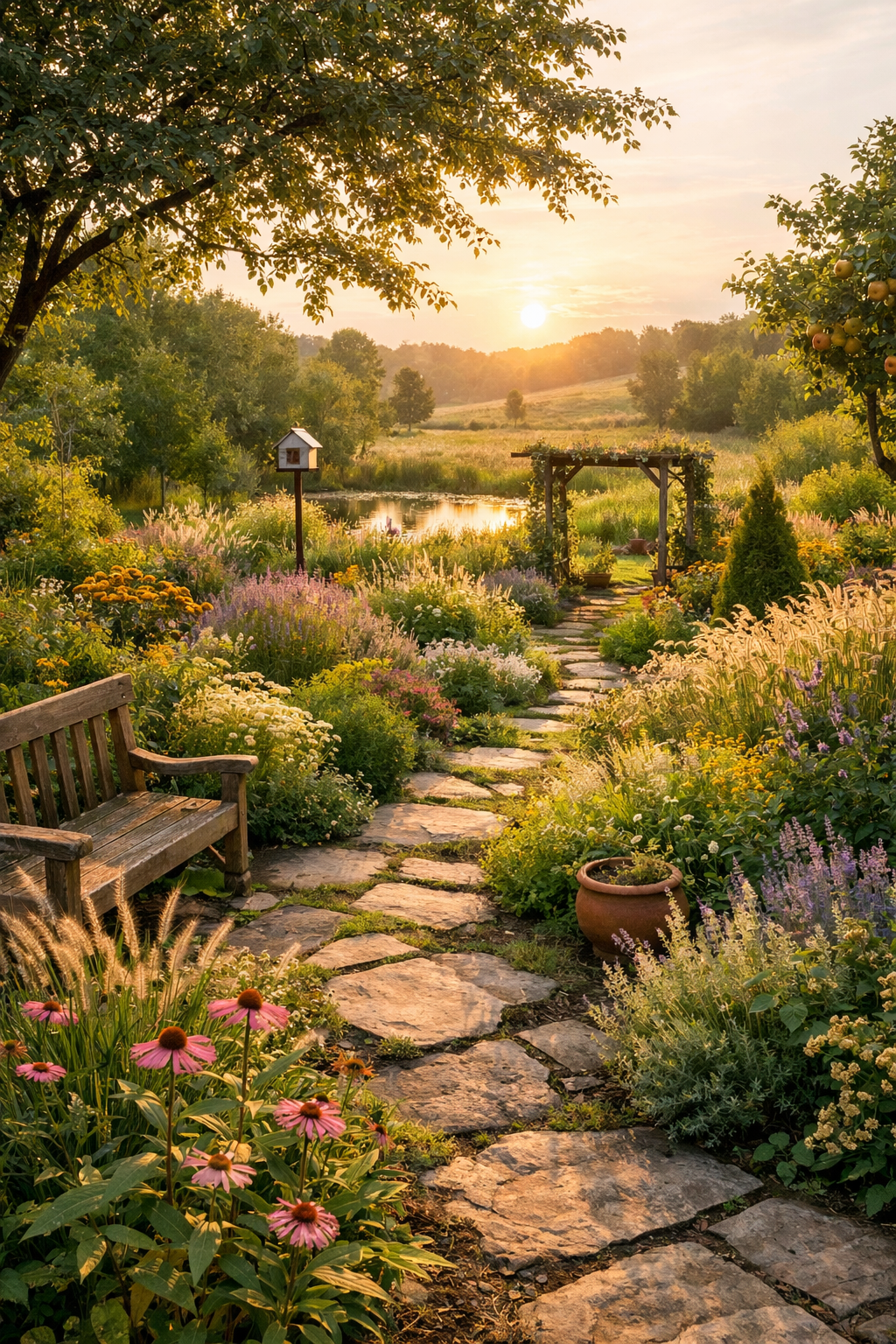
| Designing Gardens That Improve With Time Long-view gardening is the practice of thinking beyond the immediate visual result and instead designing, planting, and caring for a garden with its future in mind. It asks a simple but powerful question: How will this garden look, function, and feel in five, ten, or even twenty years’ time? Rather than chasing quick fixes or seasonal perfection, long-view gardening prioritises longevity, resilience, and steady improvement. At its heart, long-view gardening accepts that gardens are living systems, not static designs. Plants grow, soil evolves, wildlife arrives, and human needs change. A long-view approach works with these realities rather than against them, allowing the garden to mature naturally while being gently guided by thoughtful care. From Instant Impact to Lasting Value Modern gardening culture often focuses on immediate results: fast lawns, instant borders, and dramatic before-and-after transformations. While these can be satisfying in the short term, they often rely on heavy inputs such as frequent replacement planting, high water use, or ongoing chemical intervention. Long-view gardening shifts the focus from speed to substance. Instead of asking how a garden can look good this month, the long-view gardener asks how choices made today will reduce workload, cost, and environmental impact in the years ahead. This might mean planting slower-growing shrubs that eventually form strong structure, choosing perennials that bulk up over time, or allowing areas to naturalise rather than forcing rigid control. Soil as the Starting Point No long-view garden succeeds without healthy soil. Soil is not just a growing medium; it is a living ecosystem that improves when treated with patience and respect. Long-view gardening prioritises feeding the soil rather than constantly feeding plants. Organic matter, compost, mulches, and minimal disturbance allow soil life to thrive, improving structure, drainage, and nutrient availability year after year. Healthy soil reduces the need for fertilisers, increases drought tolerance, and supports deeper root systems. Over time, this creates plants that are more self-sufficient and resilient. The visible result may take a few seasons to appear, but the long-term gains are significant and lasting. Plant Choices That Age Gracefully Plant selection is one of the clearest expressions of long-view thinking. Rather than choosing plants solely for instant colour or size, long-view gardening considers mature height, spread, lifespan, and maintenance needs. A shrub that looks modest when planted may become a dominant feature in five years, while an overcrowded border can become a maintenance burden. Long-lived perennials, structural shrubs, and trees form the backbone of a long-view garden. Annuals still have their place, but they are used deliberately rather than as constant fillers. Plants are given enough space to grow into themselves, reducing the need for frequent division, replacement, or pruning. Designing for Change, Not Control A long-view garden is designed with flexibility in mind. Rather than rigid layouts that demand constant upkeep, it favours adaptable spaces that can evolve. Paths may soften at the edges, borders may expand, and planting schemes may gently shift as conditions change. This approach acknowledges that gardens are influenced by weather patterns, soil development, and the presence of wildlife. By allowing for movement and adaptation, the garden becomes easier to manage over time. Maintenance shifts from constant correction to seasonal guidance. The gardener becomes more of a steward than a controller, responding to what the garden needs rather than imposing fixed expectations. Maintenance That Gets Easier, Not Harder One of the greatest benefits of long-view gardening is that, when done well, it reduces workload as the garden matures. Early years may require patience and careful attention, but as plants establish and systems settle, maintenance becomes lighter and more predictable. Mulched beds suppress weeds naturally. Well-chosen plants shade soil and retain moisture. Established shrubs need less frequent intervention than constantly replaced bedding. Over time, the garden begins to look after itself, requiring fewer urgent fixes and more gentle seasonal care. Supporting Wildlife Over the Long Term Long-view gardening naturally aligns with wildlife-friendly practices. By avoiding constant disruption and providing consistent planting, gardens become reliable habitats for insects, birds, and small mammals. Trees and shrubs offer shelter, perennials provide ongoing nectar sources, and healthy soil supports countless unseen organisms. Rather than chasing wildlife trends, long-view gardening creates stability. This stability allows ecosystems to develop naturally, resulting in healthier plant populations and fewer pest problems. Wildlife becomes part of the garden’s balance rather than something to manage or exclude. Emotional and Practical Rewards There is a quiet satisfaction in watching a garden improve year after year. Long-view gardening encourages patience and observation, helping gardeners develop a deeper relationship with their space. Each season builds on the last, and mistakes become learning opportunities rather than failures. Practically, this approach saves time, money, and effort in the long run. Emotionally, it offers a slower, more grounded way of engaging with the natural world. The garden becomes a companion rather than a project, evolving alongside the people who care for it. A Garden That Grows With You Perhaps the most overlooked benefit of long-view gardening is its ability to adapt to changing human needs. A garden designed with longevity in mind can accommodate shifting mobility, lifestyle changes, or new priorities without needing complete redesigns. Thoughtful layouts, durable planting, and flexible spaces ensure the garden remains usable and enjoyable over time. Long-view gardening is not about perfection. It is about intention, patience, and respect for natural processes. By thinking ahead and working with time rather than against it, gardeners create spaces that become richer, calmer, and more rewarding with every passing year. |
Long-View Gardening
 Earthly Comforts