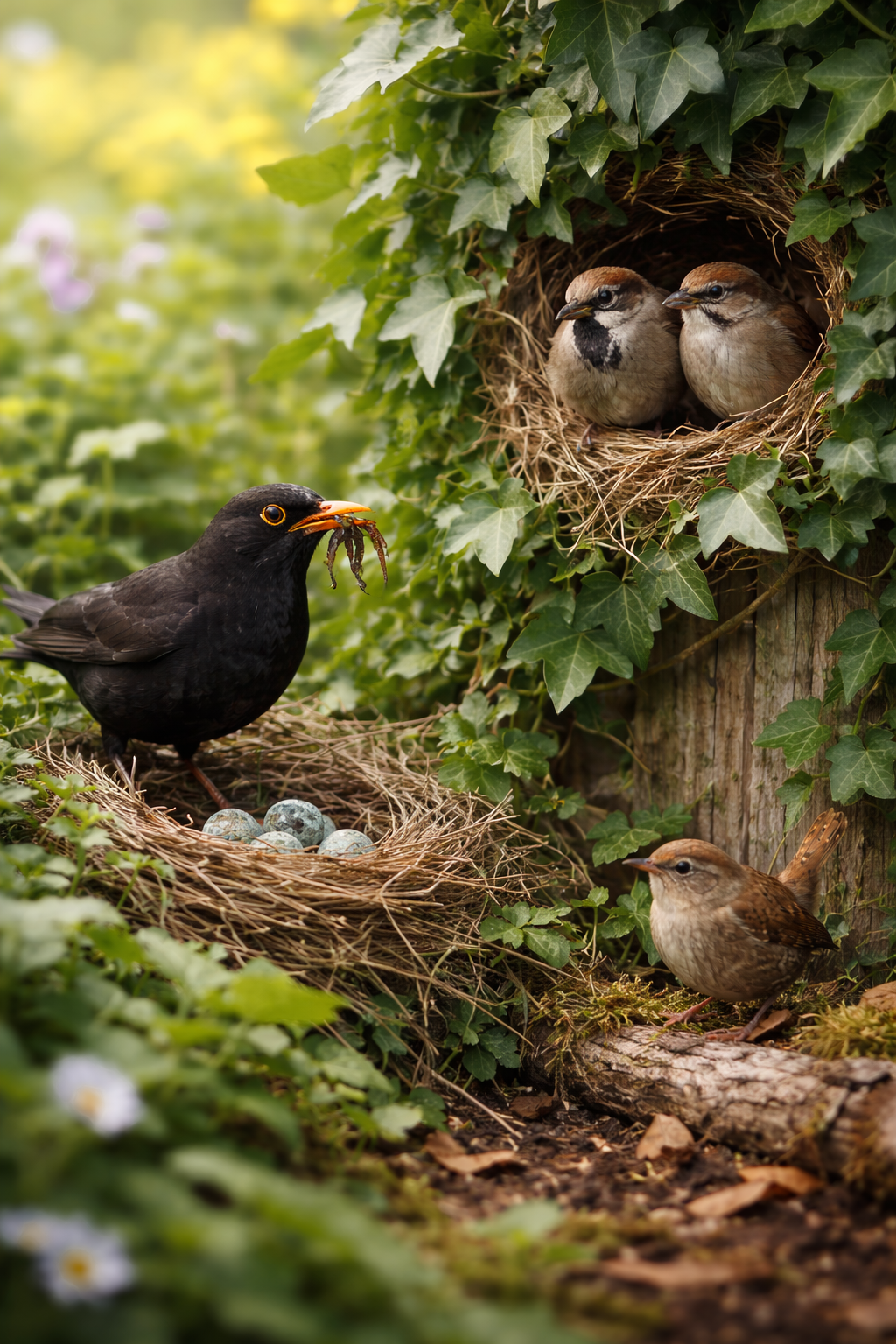
| Blackbirds, sparrows, wrens — and where they hide By early spring, the garden is no longer just waking — it is preparing. Long before most flowers open, before lawns really begin to grow, birds are already making decisions that will shape the season ahead. They are choosing places to raise their young. Quietly. Quickly. Often right under our noses. Many of the birds most familiar to us — blackbirds, sparrows, wrens, dunnocks — are also the ones most likely to nest close to home. Not in distant woodland or remote hedgerows, but in the layered edges of everyday gardens. In hedges trimmed last year. In climbers against walls. Behind sheds. Beneath ivy. Inside dense shrubs that haven’t been “opened up” yet. Spring gardening often begins with good intentions. A tidy here. A cut back there. But for nesting birds, timing and place matter more than perfection. Understanding where birds choose to nest — and why — helps us move through the season with a little more awareness and a lot more of the quiet life left intact. |

| Why gardens matter so much for nesting birds Modern gardens have become increasingly important nesting spaces. As hedgerows disappear from farmland and wild margins shrink, domestic gardens now provide some of the most reliable shelter available to small birds. A row of town gardens, each with its own hedge, fence, shed, or climber, can form a connected network of safe nesting opportunities. What birds are looking for is surprisingly simple: Shelter from wind and rain Protection from predators Close access to food A place that remains relatively undisturbed for several weeks Gardens that offer structure rather than openness — layers rather than flatness — are often the most valuable. |
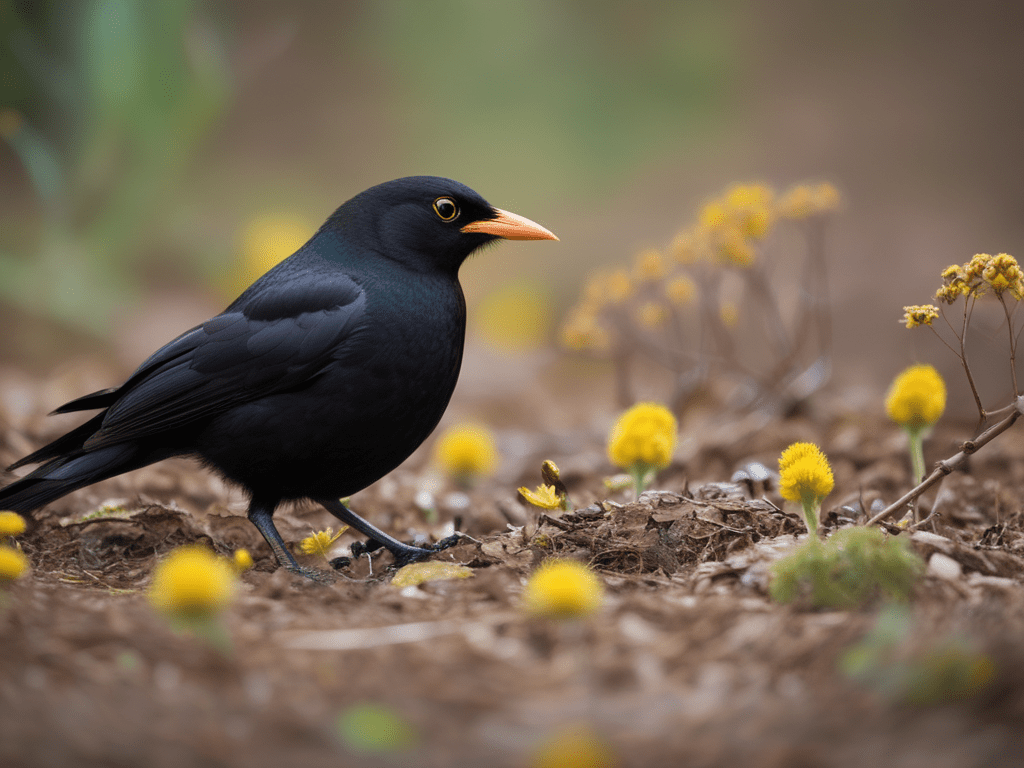
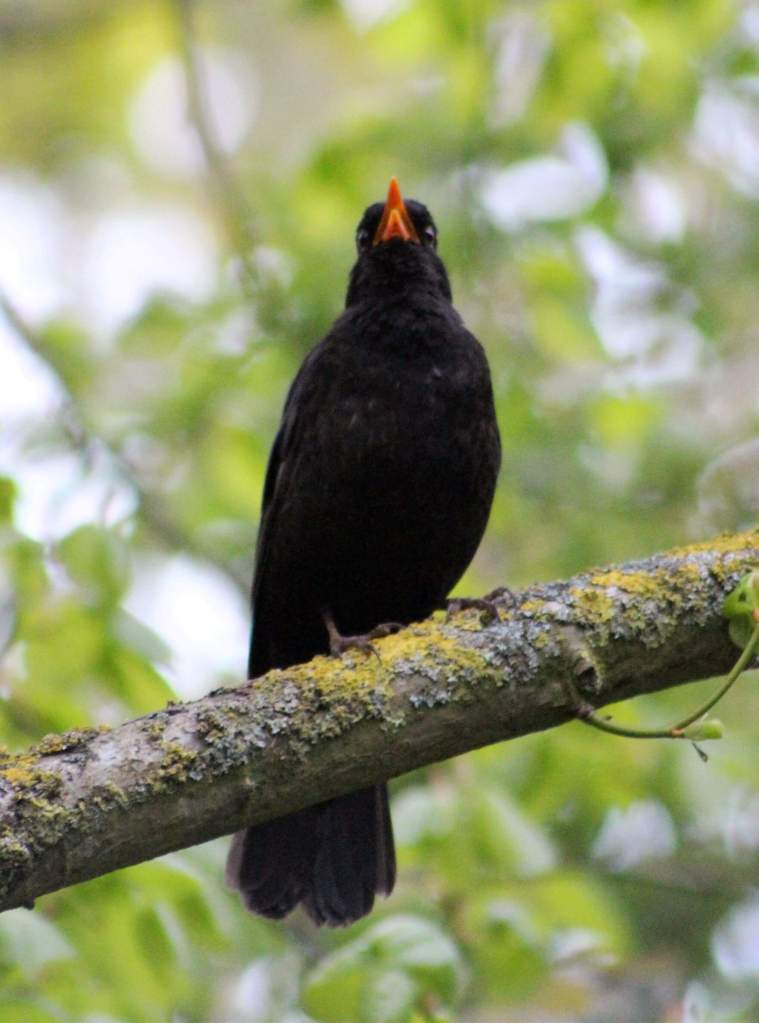
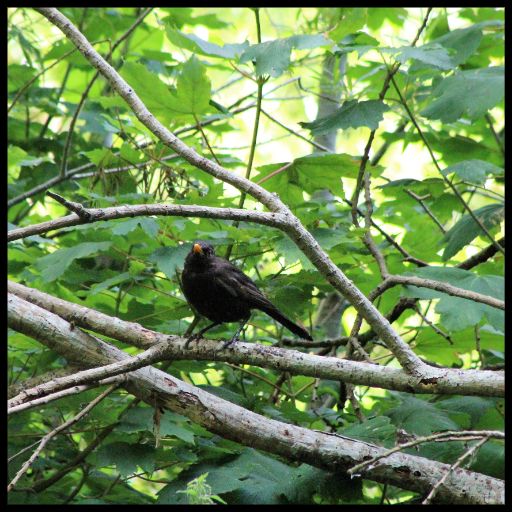
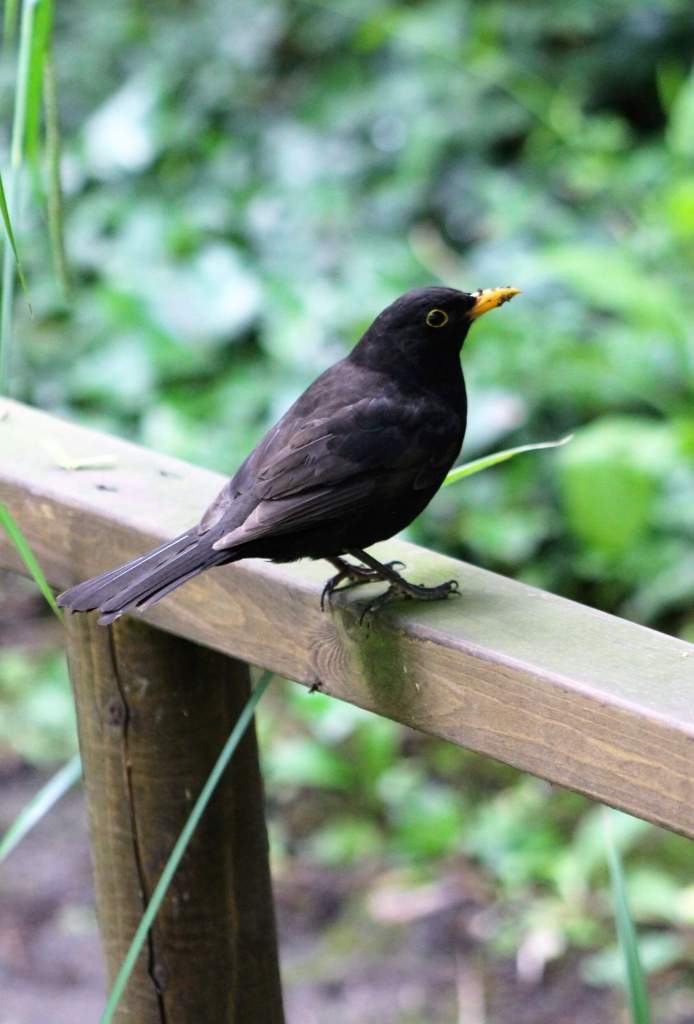
| Blackbirds: low, hidden, and surprisingly close Blackbirds are among the most familiar garden birds, yet their nests often go unnoticed. They tend to build low down, favouring: Dense shrubs Ivy-covered walls Thick hedges Climbers trained against fences. The nest itself is sturdy and well-crafted, made from grass, moss, and mud, then lined with fine material. Once complete, it blends remarkably well into its surroundings. Blackbirds are early nesters. In mild springs, nest-building can begin in March, sometimes even earlier. This makes them particularly vulnerable to well-meaning early pruning or hedge “opening”. A hedge that looks quiet and inactive may already be hosting a nest hidden deep inside. Blackbirds are also persistent breeders, often raising multiple broods through spring and early summer — which means the same garden can support family after family if left undisturbed. |

| House sparrows: social birds, shared spaces House sparrows nest differently from many garden birds. They are communal by nature and often nest in loose colonies, choosing places such as: Thick hedges Ivy Gaps in buildings Dense climbers Purpose-built sparrow terraces Their preference is for close proximity — to each other and to people. Historically, sparrows lived alongside human settlements, nesting in thatched roofs and old structures. As buildings have become more sealed and uniform, gardens have taken on an even greater role. Sparrows favour dense, evergreen cover that provides year-round protection. Ivy, often viewed as untidy or intrusive, is particularly valuable to them — offering both nesting material and shelter long after deciduous plants have shed their leaves. In spring, sparrows are busy, vocal, and easily overlooked precisely because they are so familiar. But their decline across much of the UK has made every successful nesting site more significant than it once was. |
| Wrens and the art of concealment Wrens, as you may already have noticed, prefer to disappear rather than display. Their nests are domed and tucked into: Hedge bases Log piles Old pots Sheds and outbuildings Dense ground cover The male wren often builds several incomplete nests, giving the female options. This behaviour means that what appears to be an abandoned or insignificant structure may still be part of the nesting process. Because wrens use low, hidden spaces, they are particularly affected by early spring clearing — especially of leaf litter, stacked materials, or “forgotten” corners. Wrens do not ask for large spaces. They ask for overlooked ones. |
| Dunnocks, robins, and the quiet nesters Some birds nest so discreetly that their presence is only revealed by behaviour rather than sight. Dunnocks, sometimes mistaken for sparrows, nest low and quietly in hedges and shrubs. Robins, while bold in winter, become surprisingly secretive when nesting, choosing sheltered nooks in sheds, pots, or walls. These birds often continue to use the garden while nesting, which can give the impression that nothing has changed. In reality, they are working around us, fitting their lives into the gaps we leave behind. |
| The importance of timing In the UK, it is illegal to disturb active bird nests. But beyond legality, there is a deeper consideration: nesting season is a period of vulnerability. From March through late summer, many birds are tied to one place. Once eggs are laid, the nest must remain safe and intact for weeks. Even small disturbances can cause adults to abandon a site, especially early in the nesting cycle. This doesn’t mean gardens must become static or untouched. It means that: Major hedge cutting is best avoided in early spring. Dense shrubs benefit from being left alone once birds are active. Climbers and ivy should be checked carefully before cutting back. Often, the safest approach is simply to pause and observe. Bird behaviour is a reliable guide. Regular visits to the same spot, alarm calls, or repeated flights carrying nesting material are all signs that something important is happening. |
| Why “tidy” can be a problem Modern gardening culture often values clarity: clean lines, open views, visible order. But nesting birds value the opposite. They look for: Visual cover Complexity Density Predictability A hedge trimmed into shape but left dense inside can be far more valuable than one thinned for appearance. A climber allowed to fill out a fence offers more protection than one trained to do so neatly. This doesn’t mean abandoning care — it means understanding that structure is more important than symmetry. |
| Gardens as shared space One of the quiet truths of nesting season is that birds are not guests in the garden. They are residents. They choose gardens because they work. Because year after year, those spaces provide shelter, food, and relative safety. When a bird returns to nest in the same hedge or shrub, it is responding to memory as much as opportunity. Seeing gardens as shared spaces rather than controlled environments shifts how we move through spring. It encourages patience. Observation. A willingness to let some things unfold without interference. |
| Learning to notice the signs You don’t need to find a nest to support nesting birds. Often, it’s better not to. Instead, notice: Repeated movements in one area Birds carrying grass, moss, or feathers Sudden quietness where there was once song Alarm calls when you approach certain spots. These are the subtle cues that something important is underway. Respecting them is less about action and more about restraint. |
| A quieter kind of spring work Spring is often framed as a season of activity — planting, cutting, clearing, shaping. But for birds nesting close to home, spring is about stability. It is about knowing that the hedge will still be there tomorrow. That the climber won’t suddenly disappear. That the corner they chose remains safe long enough for life to grow. Gardens that support nesting birds are not frozen in time. They simply move at a pace that allows others to keep up. |
| The unseen success of the season If a nesting season passes without incident, you may never know exactly what happened. You may only notice: A sudden increase in birds later in spring Young birds are exploring hedges awkwardly. A sense that the garden feels fuller, busier, more alive These are the quiet successes — the ones that don’t announce themselves with spectacle, but linger long after. Birds that nest close to home do not need much from us. They need us to notice, and sometimes, to do a little less. And in spring, that can be the most generous act of all. |
 Earthly Comforts