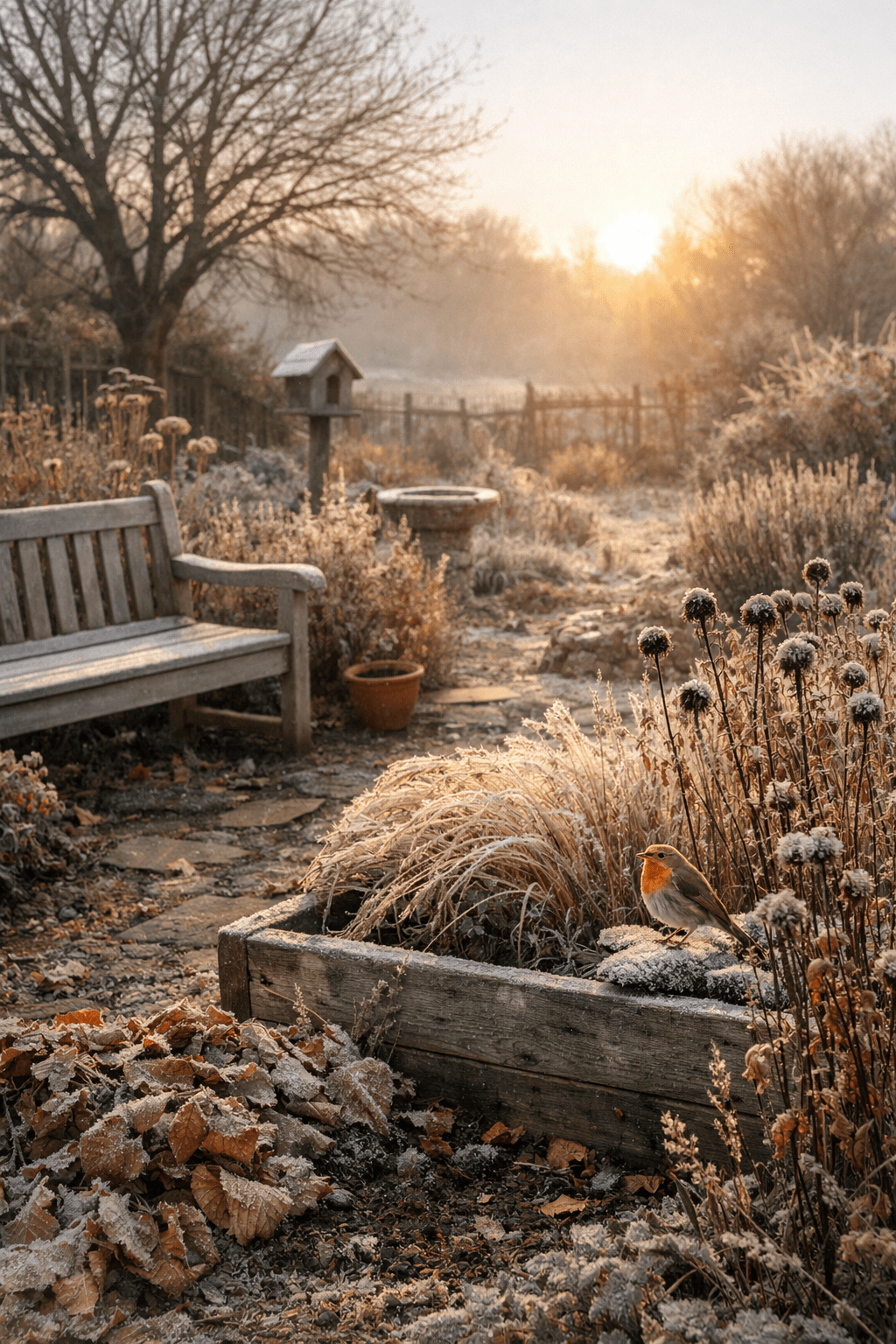
| Why Pausing Is Part of Growing Gardening is often described as a cycle of action: sowing, planting, pruning, harvesting. Yet one of the most overlooked and valuable phases of the garden year is stillness. Seasonal stillness is not inactivity or neglect; it is a deliberate pause that allows soil, plants, wildlife, and the gardener to reset. Understanding and respecting this quieter phase leads to healthier gardens, more resilient ecosystems, and a deeper relationship with the land. In nature, stillness is never empty. Beneath bare soil, microbial life continues its quiet work. Roots store energy, earthworms aerate the ground, and perennial plants rest in preparation for future growth. When we align our gardening practices with these natural rhythms, we reduce stress on the garden and work with it rather than against it. Seasonal stillness is most visible in autumn and winter, but it can occur at any point when conditions call for rest. Cold temperatures, reduced daylight, drought, or extreme heat all signal a slowdown. For gardeners accustomed to constant tidying and improvement, learning when not to intervene can feel counterintuitive. However, restraint is often the most beneficial action we can take. One of the greatest benefits of stillness is soil recovery. Soil is a living system, and like any living thing, it requires downtime. Excessive digging, constant disturbance, and year-round pressure from planting can compact soil and disrupt beneficial organisms. Allowing beds to rest, remain mulched, or lie fallow for a season encourages fungal networks, improves structure, and increases long-term fertility without additional inputs. Stillness also supports plant health. Many plants rely on dormancy to survive seasonal extremes and regulate growth cycles. Cutting back too early or forcing new growth during unsuitable conditions can weaken plants and make them more vulnerable to disease. Leaving seed heads, stems, and foliage in place not only protects crowns from frost but also provides insulation and shelter for insects and small wildlife. Wildlife depends heavily on these quieter moments in the garden. Fallen leaves become habitats. Hollow stems house overwintering insects. Undisturbed soil offers refuge for amphibians and invertebrates. A garden that is allowed to rest becomes a sanctuary rather than a stage set. By delaying cleanup and embracing a slightly untidy appearance, gardeners actively contribute to biodiversity. From a practical perspective, seasonal stillness reduces unnecessary labour. Constant activity often leads to burnout, rushed decisions, and reactive maintenance. Pausing allows time for observation. Patterns emerge more clearly when we step back. Areas that struggle, plants that thrive without intervention, and spaces that could be simplified all become easier to identify during quieter periods. Stillness also creates space for planning. Winter months are ideal for reviewing what worked and what didn’t, adjusting planting schemes, and considering long-term goals rather than quick fixes. Thoughtful planning during stillness leads to more efficient and purposeful action when growth resumes. There is also a psychological benefit. Gardening is deeply connected to wellbeing, but constant productivity can turn a restorative activity into another source of pressure. Seasonal stillness offers permission to slow down. It reminds us that growth does not happen continuously and that rest is not failure. Many gardeners find that their appreciation of the garden deepens when they are not constantly managing it. Importantly, stillness does not mean abandonment. Certain tasks remain appropriate: checking structures, managing drainage, applying mulch, protecting vulnerable plants, and monitoring for genuine issues. The key difference is intention. Actions during still periods should support rest rather than disrupt it. Climate change has made the concept of seasonal stillness even more relevant. Unpredictable weather patterns, prolonged droughts, and sudden cold snaps mean gardens benefit from resilience rather than rigid schedules. By observing natural pauses and responding thoughtfully, gardeners can adapt more effectively to changing conditions. Seasonal stillness encourages a shift in mindset from control to cooperation. Instead of asking what can be done, the better question becomes what should be left alone. This approach often leads to lower costs, healthier ecosystems, and gardens that feel calmer and more balanced. Ultimately, gardening is not about constant intervention but about timing. Knowing when to act and when to pause is a skill developed through observation and trust in natural processes. Seasonal stillness is not a gap in the gardening year; it is a vital chapter. By embracing it, gardeners cultivate not only better gardens but also patience, awareness, and respect for the rhythms that sustain life. |
Seasonal Stillness in Gardening
 Earthly Comforts