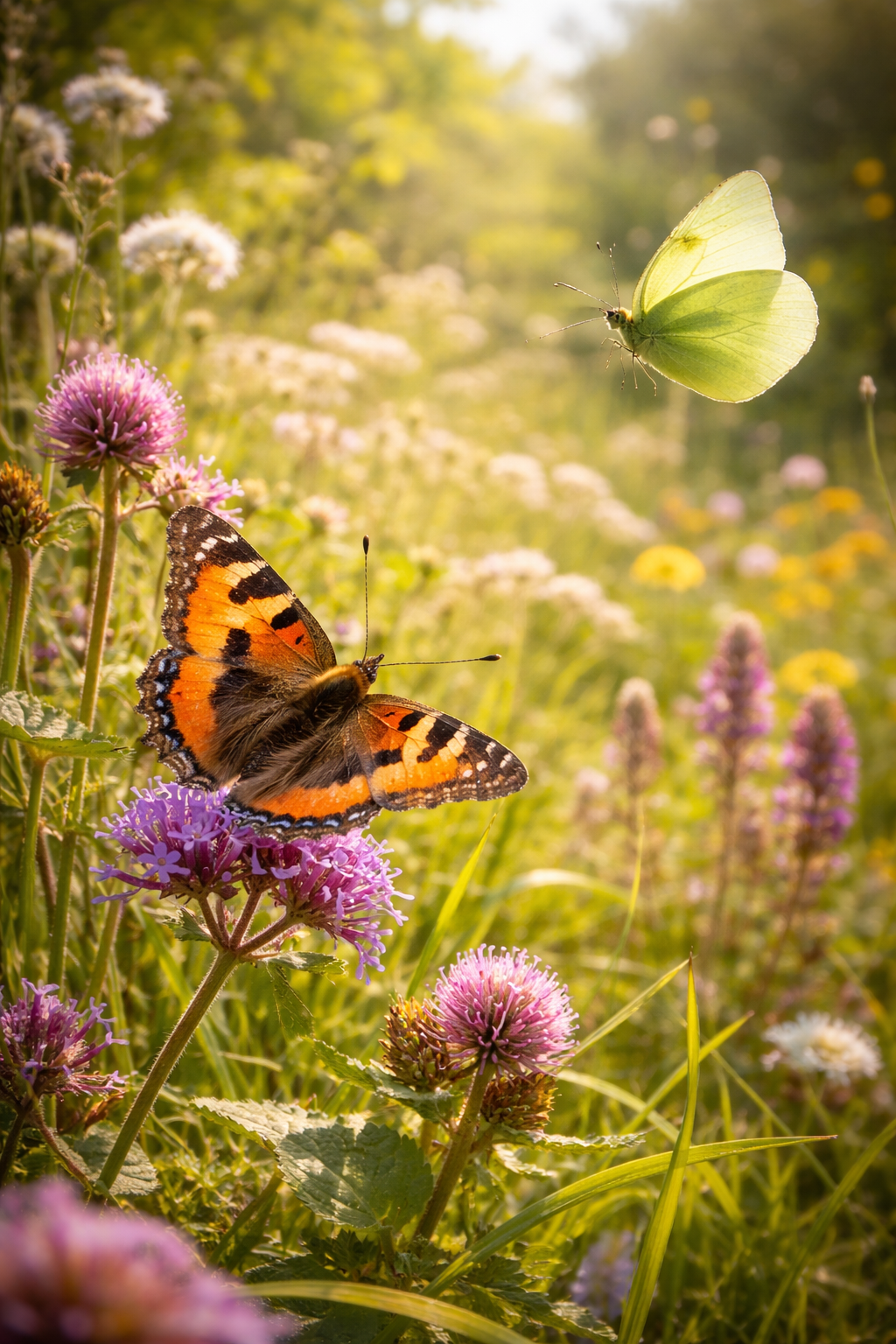
| From caterpillar to colour Few sights feel as quietly celebratory as the first butterfly of spring. It often arrives without warning — a flash of colour drifting across the garden on a still morning, hovering briefly, then vanishing again as if unsure whether the season is truly ready. For many of us, that moment marks a turning point. Spring is no longer just unfolding beneath the soil or inside buds. It has taken to the air. Butterflies hold a special place in the garden imagination. They are noticed, remembered, spoken about. And yet, their presence is far more fragile — and far more dependent on subtle garden choices — than their lightness suggests. To understand butterflies in the British garden is to understand time, patience, and the value of leaving things alone long enough for transformation to occur. |
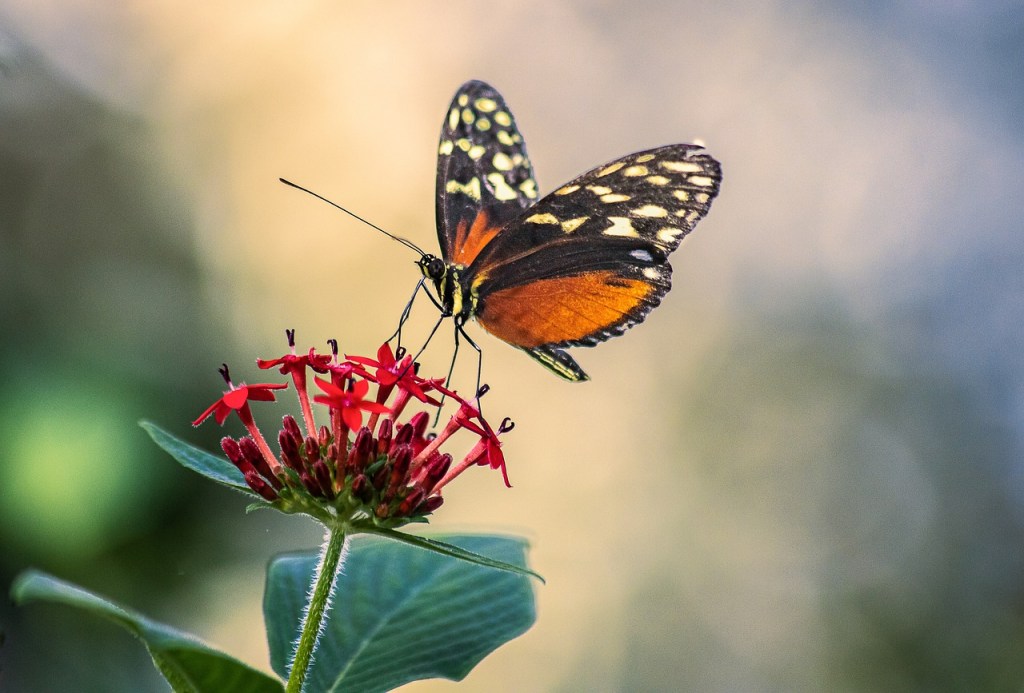
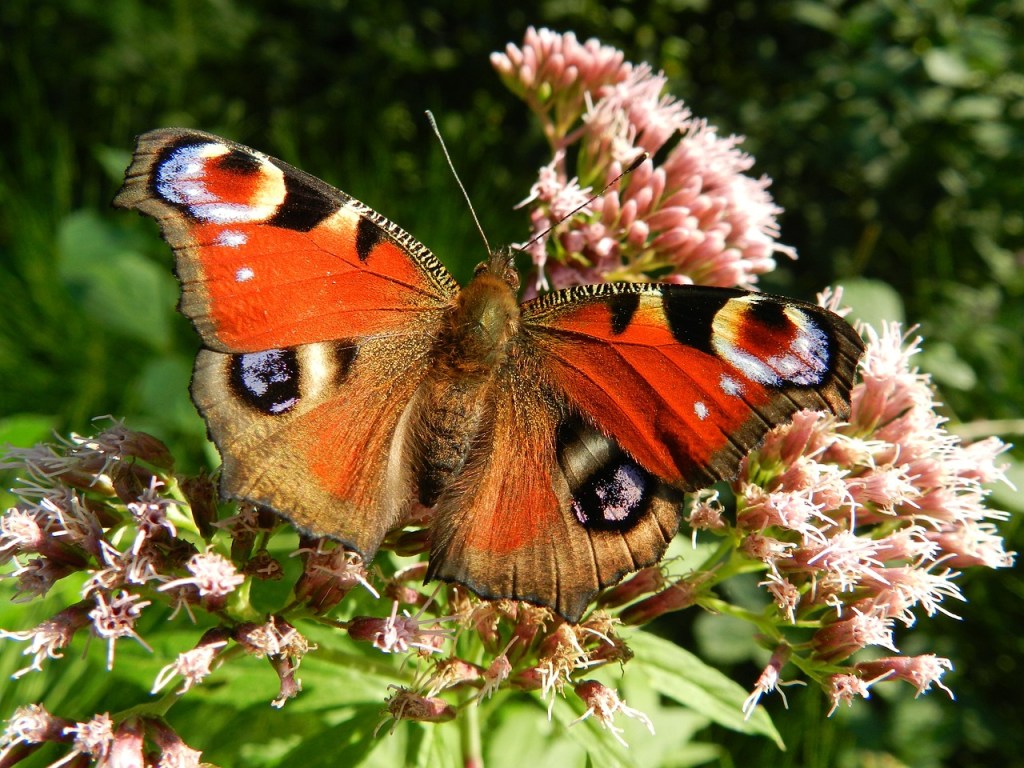
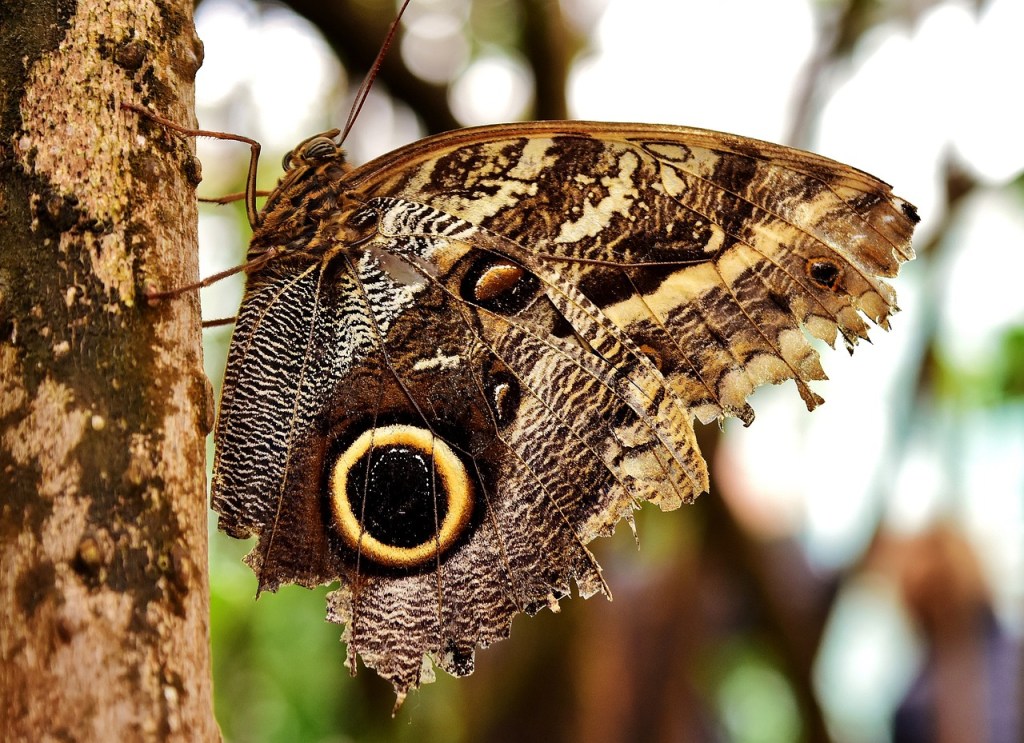
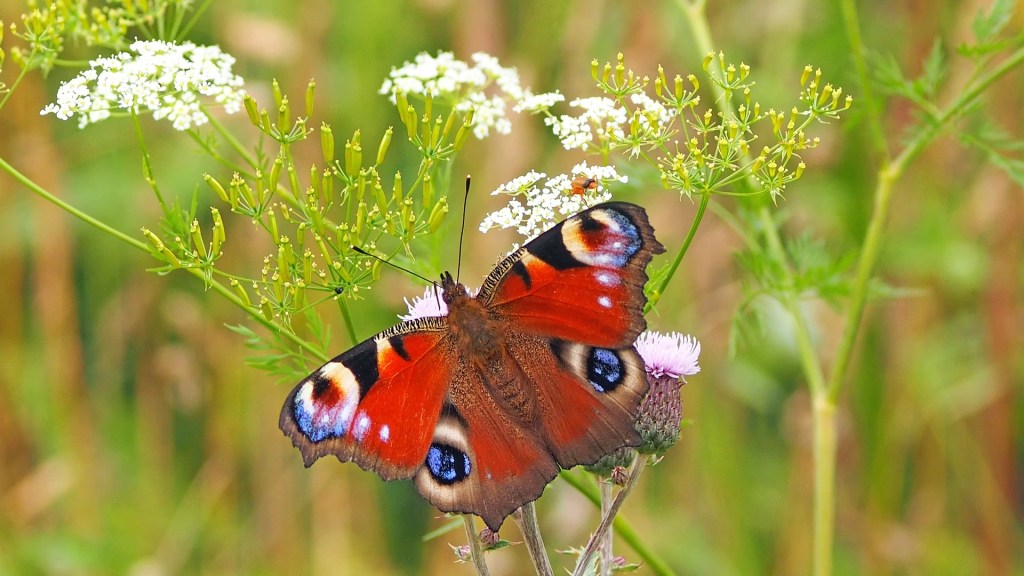
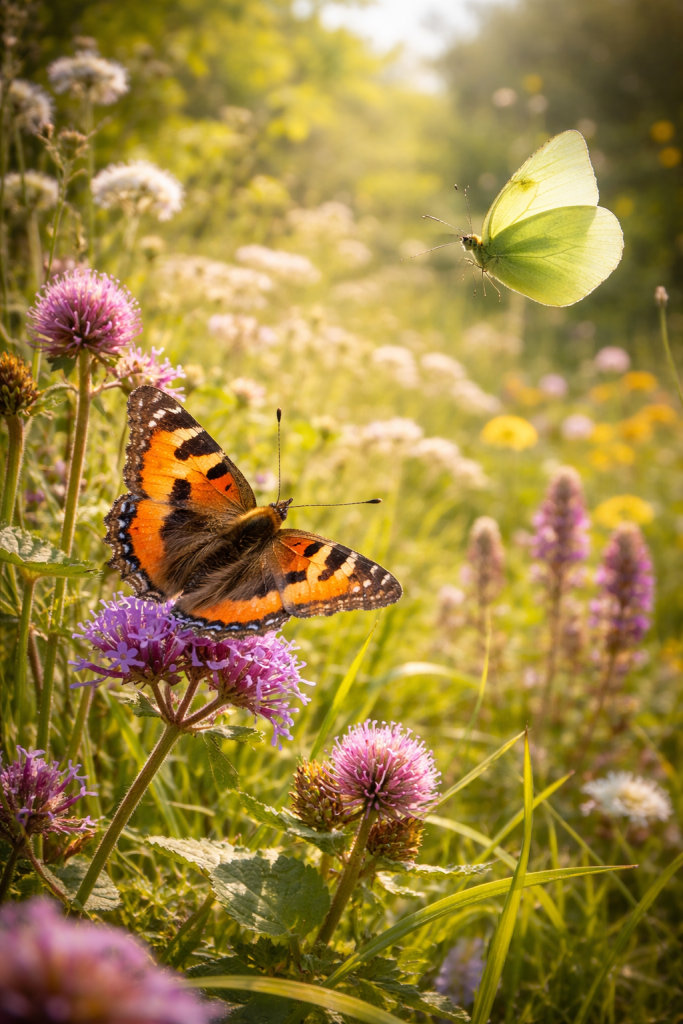
| More than fleeting visitors It’s easy to think of butterflies as occasional guests — drifting in from elsewhere, staying briefly, then moving on. But many of the butterflies seen in UK gardens are not passing through. They are born there. Species such as: Small Tortoiseshell Peacock Red Admiral Brimstone Holly Blue …use gardens not just as feeding stations, but as places to complete their entire lifecycle. That lifecycle — egg, caterpillar, chrysalis, butterfly — depends on conditions that are often overlooked because they are not decorative. Butterflies require food plants for adults and specific plants for their caterpillars. Without both, colour never arrives. |
| The invisible beginning: eggs and caterpillars The most important stage of a butterfly’s life is also the least celebrated. Caterpillars are not subtle. They chew. They strip leaves. They leave visible evidence of their presence. And because of that, they are often removed long before they ever have the chance to become something recognisable. Different species rely on different plants: Nettles for Small Tortoiseshells and Peacocks Holly for Holly Blues Grasses for Browns and Skippers Buckthorn for Brimstones These plants are rarely chosen for ornamental value. Nettles, in particular, are among the first things gardeners remove in spring. Yet without them, some of the most familiar butterflies cannot breed. A garden without caterpillars will never have butterflies for long. |
| Long grass and the value of delay Butterflies are deeply connected to the structure at ground level. Long grass, uncut edges, and soft margins provide: Egg-laying sites Food for caterpillars Shelter from wind Warmth near the soil surface Early, frequent mowing can remove these layers before they have served their purpose. By contrast, gardens that allow grass to grow — even temporarily — create a window of opportunity that butterflies depend on. This doesn’t require abandoning care. Often, it is simply a matter of timing. Allowing some areas to grow through spring before cutting back can make the difference between presence and absence. Butterflies respond not to perfection, but to patience. |
| The chrysalis: stillness matters After weeks of feeding, caterpillars pupate — forming a chrysalis that may be attached to stems, fences, walls, or hidden among vegetation. This stage is entirely still. There is no movement, no sound, no visible sign of life. And yet, inside, everything is changing. Chrysalises are vulnerable to disturbance: Cutting back stems Clearing dead growth Tidying climbers Removing “spent” plants What appears lifeless may be in the middle of becoming something else. Gardens that retain old stems, seed heads, and tangled growth into late spring quietly protect these moments of transformation. Removing everything too early breaks a cycle that cannot be restarted that year. |
| Nectar is only part of the story. Butterfly-friendly gardening is often reduced to planting nectar-rich flowers. While nectar is important — especially in spring when energy demands are high — it is only one piece of a larger picture. Butterflies also need: Warm, sheltered areas to bask Calm spaces protected from strong winds Places to rest overnight Continuity between seasons Flat stones, sun-warmed walls, hedges, and layered planting all contribute to a garden’s suitability. A garden full of flowers but stripped of structure may attract butterflies briefly — but it will not sustain them. |
| Early spring survivors Some butterflies seen in early spring are not newly emerged, but overwintered adults. Peacock, Small Tortoiseshell, and Brimstone butterflies hibernate through winter, sheltering in sheds, log piles, dense ivy, or hollow trees. When they appear on warm spring days, they are waking from months of stillness. These early sightings depend entirely on winter survival. Gardens that retain shelter — rather than being cleared back completely — provide the conditions that allow butterflies to reappear at all. Spring butterflies are often survivors, not newcomers. |
| Gardens as stepping stones Butterflies move through landscapes in stages. Few gardens are large enough to support every part of every species’ needs. But gardens linked together — by hedges, verges, wild edges, and shared tolerance — form corridors that allow movement and resilience. A butterfly that feeds in one garden may lay eggs in another. One that emerges from a chrysalis may depend on a neighbouring patch of long grass to survive its first days. This makes small choices surprisingly powerful. One unmown corner, one patch of nettles, one untouched hedge can ripple outward far beyond the boundary fence. |
| Why do butterflies disappear quietly Butterfly declines rarely announce themselves. There is no single moment when absence becomes obvious. Instead, numbers thin gradually. Species become occasional rather than familiar. Sightings feel special rather than expected. Gardens often respond by adding more flowers — but without addressing the full lifecycle, this can feel like effort without reward. Butterflies are indicators. When they vanish, it is rarely because of one missing plant, but because the sequence of stages they rely on has been interrupted. |
| Learning to accept leaf damage One of the hardest adjustments for butterfly-friendly gardens is accepting visible imperfection. Caterpillar-chewed leaves can feel like failure. Nettles can feel untidy. Long grass can feel neglected. But these are signs that the garden is being used — that it is participating in a cycle larger than itself. Butterflies are not decorations. They are outcomes. Their presence tells a story about what happened weeks or months earlier, often when no one was watching. |
| The reward of continuity By late spring and early summer, the results of quiet decisions begin to show. Butterflies become more frequent. Different species appear. Movement becomes familiar rather than surprising. The garden feels animated in a new way — not louder, but more layered. This is not the result of one perfect action. It is the result of continuity — leaving space for life to move at its own pace. |
| Colour earned, not placed. Butterflies are not planted in gardens. They are indirectly invited through restraint. They arrive when: Food plants are allowed to grow. Shelter remains in place. Cutting and clearing are timed with care. Mess is tolerated as part of the process. In this way, butterflies teach one of the garden’s most enduring lessons: beauty that lasts is often the result of patience rather than control. When a butterfly drifts across the garden in spring, it carries the imprint of decisions made long before it took flight. And once you begin to see that, colour feels less like decoration — and more like gratitude. |
 Earthly Comforts