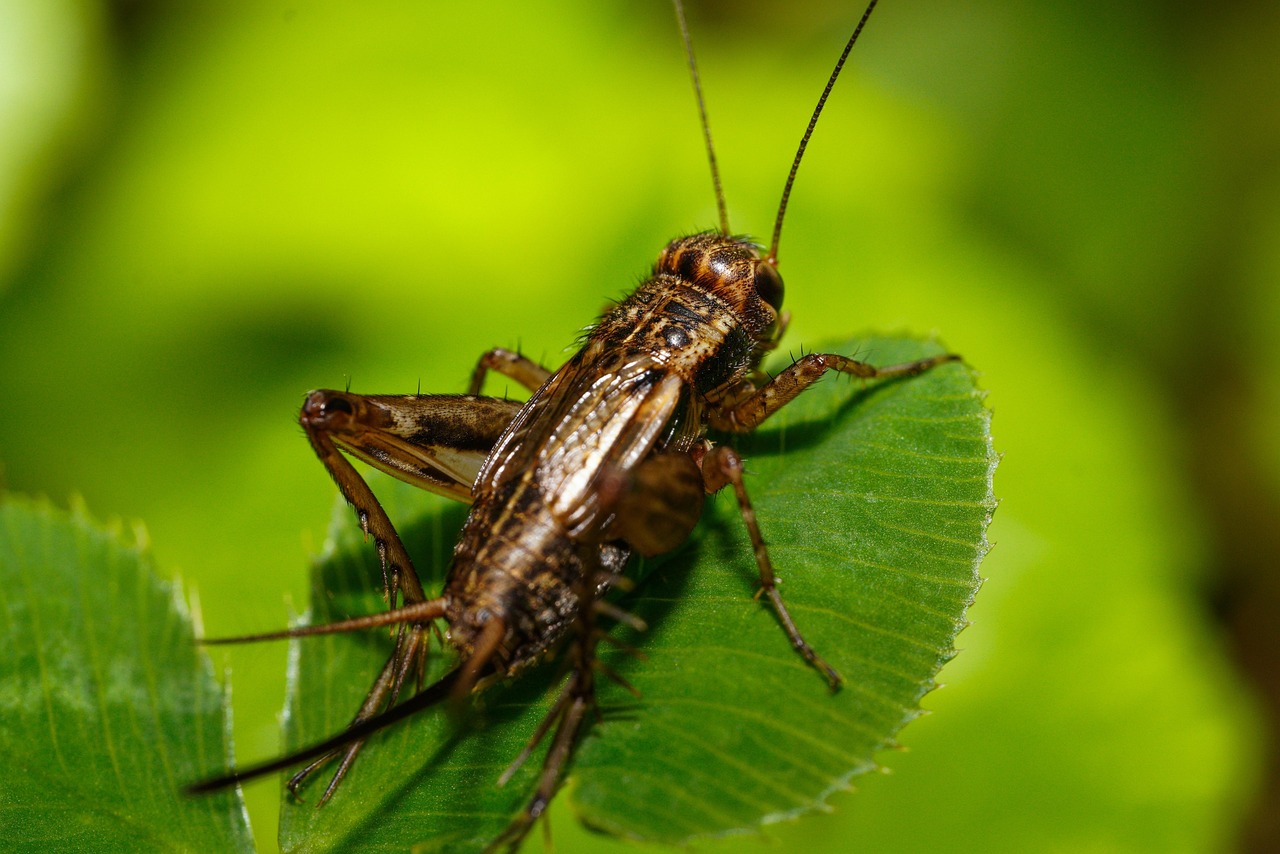
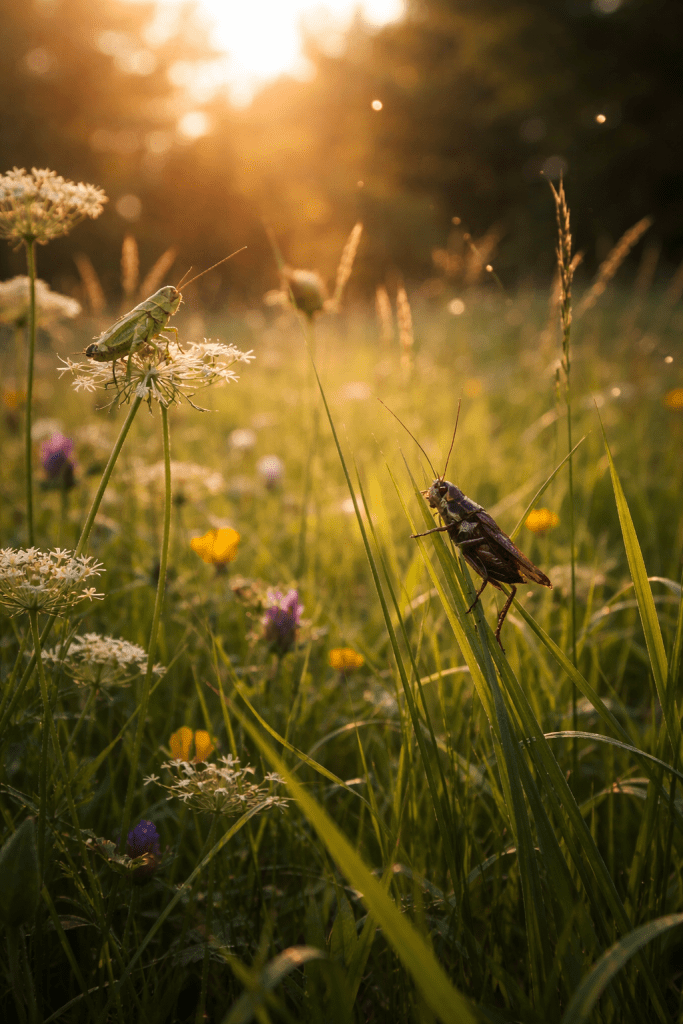
| The soundscape of summer gardens There’s a point each summer when gardens stop being silent places. It usually happens without ceremony. One evening, the air is warm but not heavy, the light lingers longer than expected, and somewhere low in the grass, a sound begins. A steady rhythm. Not loud. Not urgent. Just present. That’s when you know summer has properly arrived. Crickets and grasshoppers don’t announce themselves visually. You’ll hear them long before you ever see them, if you see them at all. Their sounds become part of the garden’s background, like wind in hedges or water in a butt. Once noticed, it’s hard to imagine a summer garden without them. Crickets are the night workers. As daylight fades, their sound builds — a pulse rather than a song. Grasshoppers are daytime creatures, more sporadic, more sudden, often leaping out of long grass when you least expect it. Together, they form a quiet orchestra that tells you a garden is alive, functioning, and balanced. These sounds aren’t decoration. They’re signals. Crickets and grasshoppers thrive where conditions are right: undisturbed soil, mixed planting, shelter from constant cutting, and a lack of chemical interference. They prefer gardens that are allowed to breathe a little. Long grass at the edges. Leaf litter left under hedges. Borders that aren’t stripped back to bare earth at the first sign of untidiness. Their presence tells you something important. It means the ground hasn’t been compacted into lifelessness. It means insects lower down the chain are surviving. It means birds, mammals, and amphibians have something to feed on. A sounding garden is a working garden. Modern gardening often forgets about sound. We design for colour, structure, neatness, and year-round interest, but sound rarely gets a mention. Yet historically, gardens were never silent spaces. They buzzed, hummed, rasped, and chirred. Silence, in ecological terms, is usually a warning sign. When a garden loses its insect soundscape, it’s often a gradual process. Lawns are cut shorter and more frequently. Borders are tidied earlier each year. Leaves are removed instead of composted. Soil is sealed under membranes and gravel. None of these actions feels dramatic on its own, but together they remove the conditions insects rely on. Crickets, in particular, need warmth stored in soil and vegetation. They favour south-facing banks, rough grass, the edges of compost heaps, and sheltered corners that aren’t disturbed every week. Grasshoppers need space to move, feed, and lay eggs. They don’t cope well with constant interruption. This doesn’t mean gardens need to become wild or unkempt. It simply means they need rhythm. A bit of patience. Some areas are cut less often. Some were left alone entirely. One of the most common misconceptions is that wildlife-friendly gardens are messy. In reality, they’re intentional. The difference lies in where you draw the line. A mown path through longer grass is just as tidy as a full lawn, but far more useful. A neatly edged border with leaf litter beneath shrubs looks cared for, not abandoned. Listening to a garden changes how you work in it. You start to notice when sounds suddenly drop off. You notice which areas are most active. You become aware of time — dusk, dawn, heat, and humidity — in a way clocks don’t provide. The garden tells you when to slow down. Crickets are also remarkable for how consistent they are. Their rhythm doesn’t rush. It doesn’t compete. It simply continues. There’s something grounding about that, especially in a world that’s always asking for speed and output. Sitting in a garden with that sound in the background reminds you that not everything needs improving or optimizing. From a practical point of view, encouraging these insects is straightforward. Reduce mowing frequency where possible. Allow grass to flower occasionally. Leave some areas uncut until late summer. Avoid pesticides and artificial fertilizers. Let soil remain open and alive. Keep composting. Use mulch that breaks down naturally. Water matters too. Dry gardens can still support insects, but access to moisture makes a difference. A shallow dish, a pond edge, or even damp soil beneath dense planting can support a wider range of life. It’s not about adding features, just about being aware. For those who manage gardens regularly, especially in smaller towns, it’s worth remembering that sound is often the first thing to go. Small spaces get over-managed because they’re visible. Every blade of grass feels under scrutiny. Yet even the smallest garden can host a summer soundscape if given the chance. There’s also a seasonal humility to these insects. They don’t overwinter in the way birds do. Their presence is temporary. They arrive, sing, reproduce, and disappear. If conditions aren’t right one year, they won’t return the next. They don’t adapt to poor environments; they move on or vanish. That makes them good indicators. If you hear them, you’re doing something right. As gardeners, it’s easy to focus on what we add: plants, structures, improvements. Sometimes the best thing we can do is remove less. Interfere less. Allow time to do its work. Sound follows life, and life follows restraint. A summer garden should sound like summer. If it does, you can be fairly confident the rest is falling into place. |
Unless stated, featured images are my own work, created independently or with the assistance of AI.
 Earthly Comforts