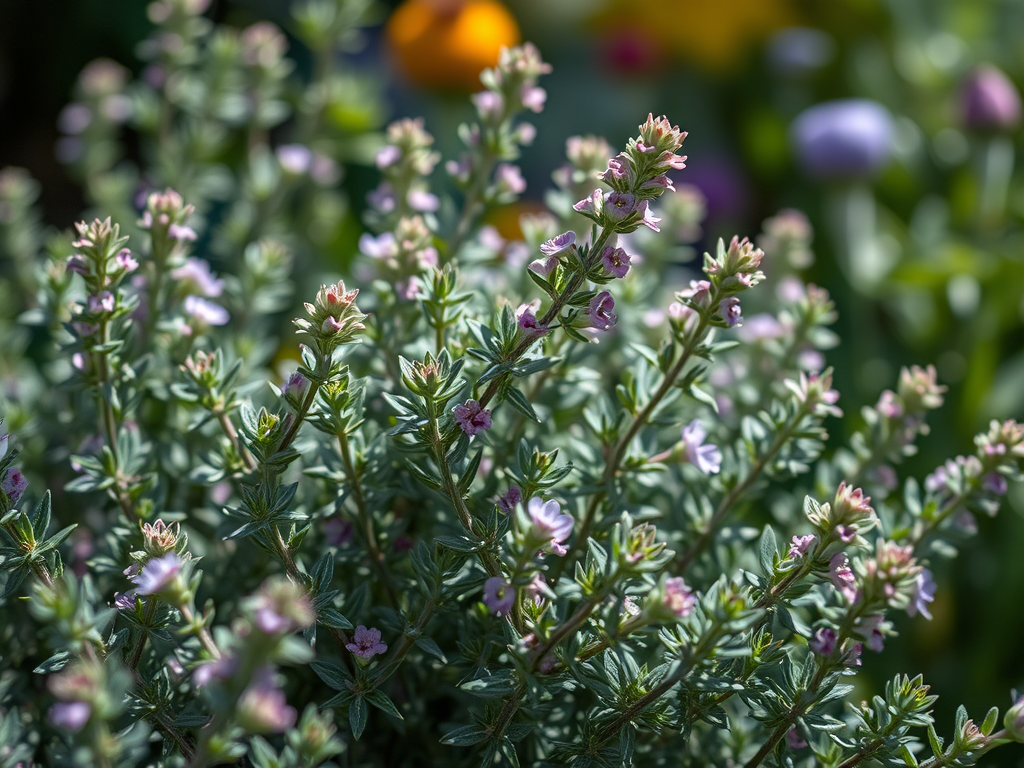
Thyme, a versatile herb, is used in cooking and traditional remedies. Its rich history includes symbolism of bravery, cultural practices, and various culinary applications globally.
Author Archives: Earthly Comforts
10 Garden Jobs That Save You Trouble Later

Regularly tackling small garden tasks helps prevent larger issues later. This includes weeding, trimming, mowing, clearing leaves, deadheading, mulching, pruning, and maintaining boundaries.
Beneath Our Feet: The Wonders and Warnings of Soil Life

Soil, a vital ecosystem supporting life, food growth, and climate moderation, faces threats from human activity, climate change, and pollution. Understanding its composition and biodiversity is essential for sustainability and planetary health.
Egg Yolk Size: Age, Breed, Diet Explained

Yolk size varies due to hen age, breed, diet, and occasionally double yolks. Healthier diets produce larger, nutrient-rich yolks compared to supermarket eggs.
The Case of Ultimate Cumbersome Thumbersome

A split-second mistake with a hedge trimmer left me with a bandaged thumb, a permanent scar, and a big reminder about mindfulness in the garden — but also a surprising list of positives
 Earthly Comforts