
Chickweed, often viewed as a nuisance weed, actually has beneficial qualities. It indicates soil health, serves as a food source for birds and insects, and is versatile for human consumption. It can be used in salads, cooked dishes, and even for making tea. In ancient times, it was valued for its medicinal properties.
Understanding Actinomycetes in Compost: Fungi Lookalike Explained

The opinions shared here are based upon my own experiences working with compost and may not be shared by all. What's the white stuff in my compost?
Catnip (Nepeta cataria) and Catmint: Perfect Companion Plantings for Your Garden

Catnip, also known as "mint," is available in various forms like leaves and flowers. It is associated with Earthly Comfort Designs on the Redbubble store, featuring collections like Earthen Wurmin, Inspired By Nature, and The Autistic Composter. Browse the store for more.
Dock Leaves: A Natural Solution for Nettle Stings and Wildlife Gardens

Dock leaves, known for their soothing properties for nettle stings, evoke nostalgia for a woodland environment. They can also be eaten and are popular with butterflies and other insects. However, they can be challenging to control due to their deep taproots and prolific seed production. They thrive in poor soil and are valued in wildlife gardens.
Banana Revealed: Origins, Nutritional Value, and Surprising Facts
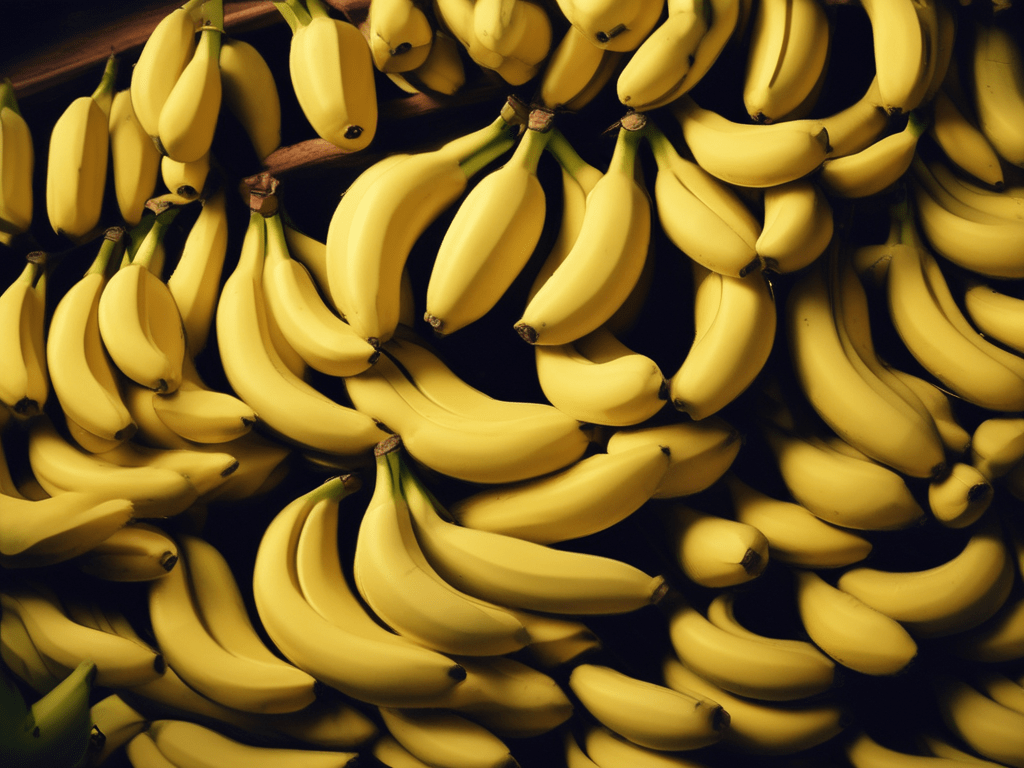
I have written several times about the magical properties of the beautiful banana, albeit perhaps only about hacks or composting, so it'll be a pleasure to write about this yellow beauty in more detail.
 Earthly Comforts