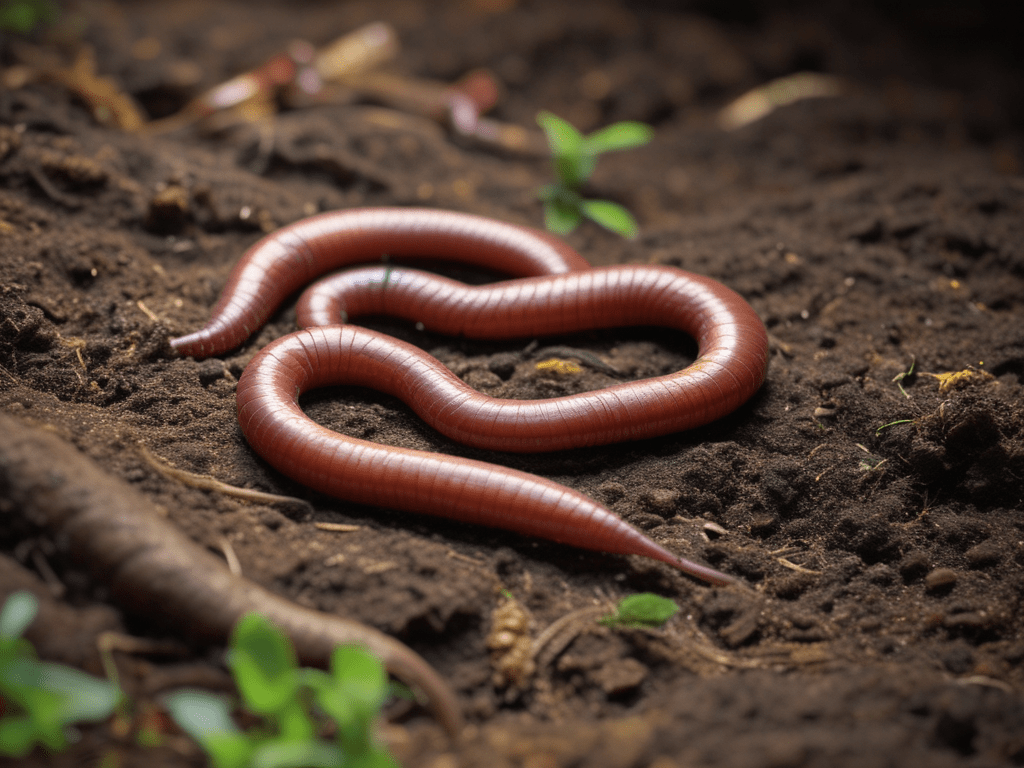
Earthworms have a mouth, but no eyes or teeth. The prostomium, the first section of a worm, contains the mouth and sensory receptors that detect the environment. Worms suck their food into a muscular mouth, then digest it into nutrients and waste. They breathe through their skin and have five hearts.
Composting Benefits: Why and How to Make a Positive Impact

Composting is a natural way to recycle organic waste, benefiting both the environment and garden growth. It reduces greenhouse gas emissions, improves soil quality, and saves money on waste disposal. With various composting methods available, it's an accessible and rewarding practice for anyone interested in environmental sustainability and mindful living.
Earthworm Reproduction: A Fascinating Mating Ritual

Earthworms have a unique simultaneous hermaphroditic nature, possessing both male and female reproductive organs, but they cannot reproduce alone. Their mating process involves the exchange of sperm to fertilize eggs. They are remarkably efficient, reproducing every ten days and doubling their population every two to three months. They don't lay eggs but produce cocoons with varying numbers of eggs.
Effective Composting of Large Fruit Quantities: My Unique Approach
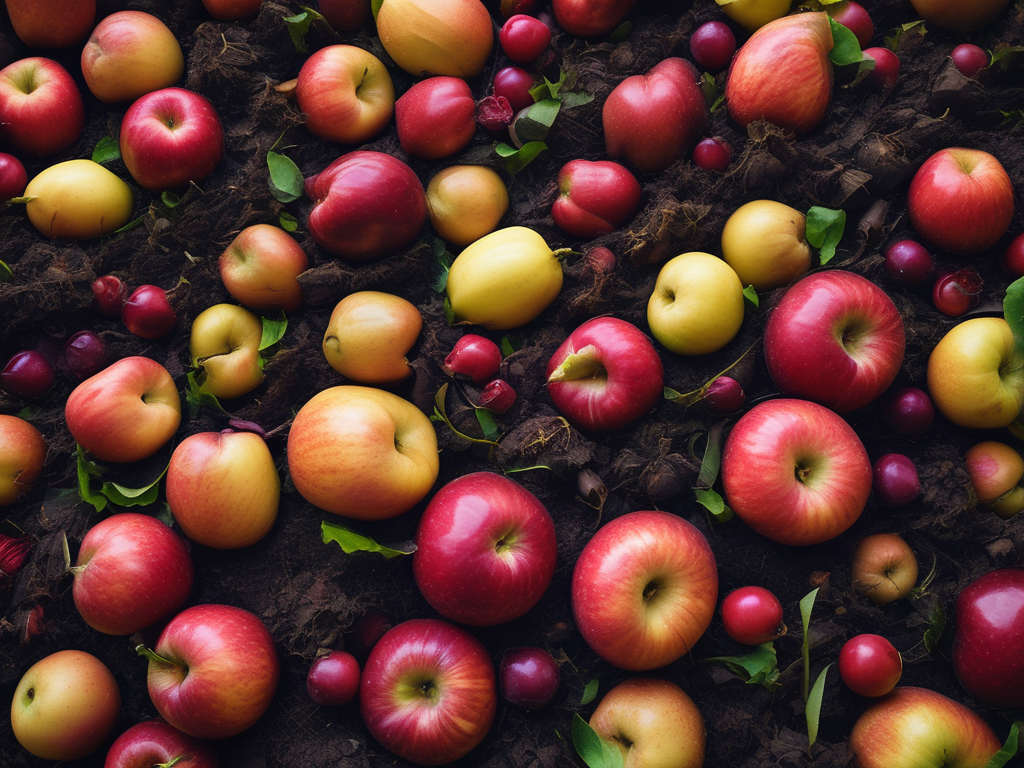
When composting large quantities of fruit like apples, pears, and plums, opinions vary on the best approach. Some suggest specific green-to-brown ratios, while others, like me, opt for a simpler method, adding ingredients loosely and turning the compost frequently. Whether adding whole, broken, or decomposed, the fruit will organically break down over time.
Banana Peels Composting: Nutrient-Rich Solutions for Healthier Gardens
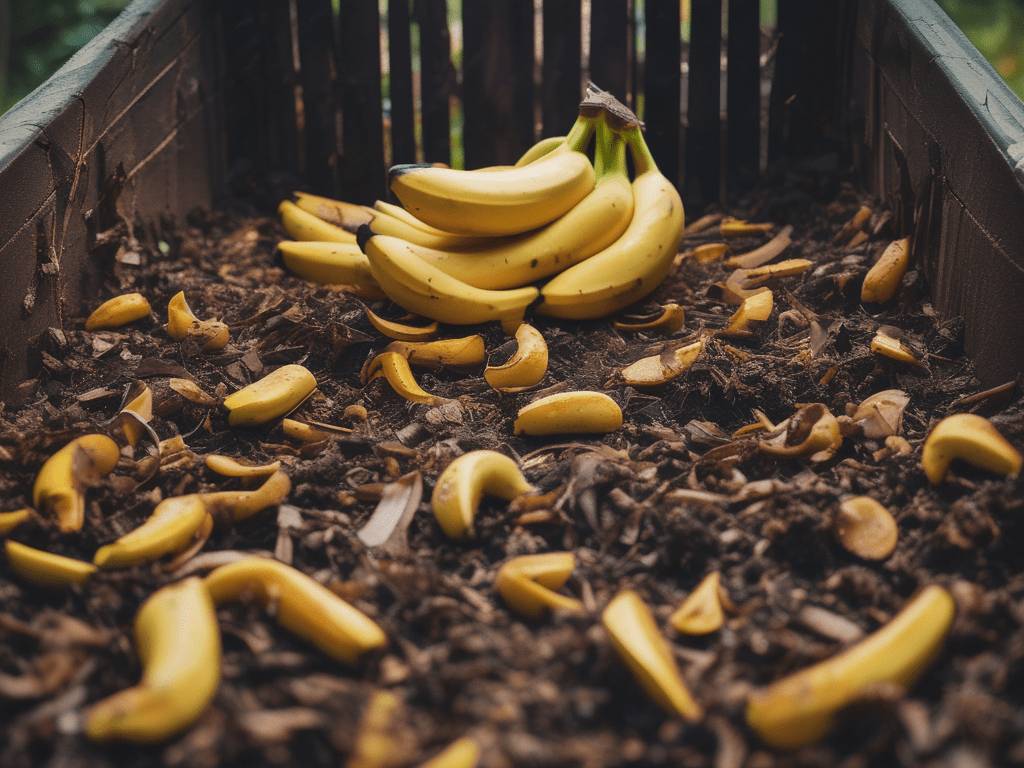
Composting bananas and banana peels is a beneficial way to reduce food waste, enrich compost with valuable nutrients, and contribute to a healthier environment. The peels can be used in various ways such as in compost, bokashi systems, and even as a treat for worm farms. Additionally, ripe banana peels offer additional nutrients when consumed.
 Earthly Comforts