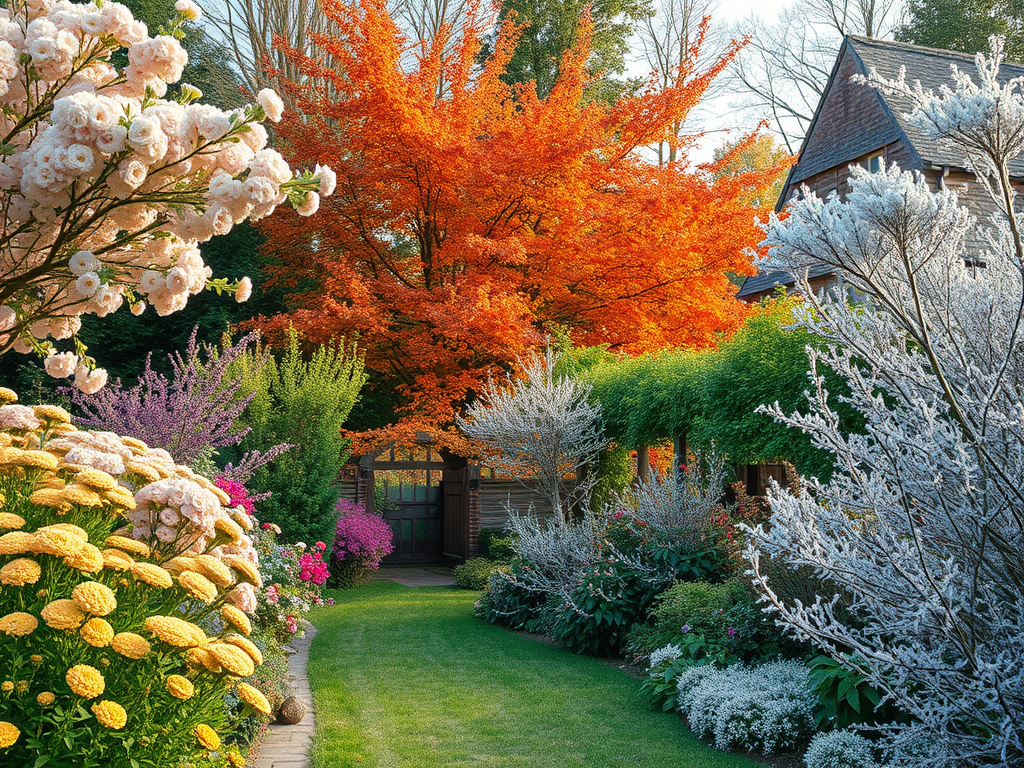
Black Lovage, also known as Smyrnium olusatrum, has a rich history and versatile uses. It was brought to England by the Romans and once an esteemed garden herb. Its celery-like taste and texture have won over many foragers. Although foraging for Alexanders can be rewarding, it closely resembles toxic hemlock varieties, posing risks to foragers. Despite its decline in British gardens, it remains a valuable perennial addition to wildlife and cottage gardens, supporting biodiversity.
Maximizing Plant Health: Harnessing the Power of Worm Castings
Worm castings, rich in nutrients and organic material, are produced by earthworms and greatly benefit garden soils. They improve soil structure, aid plant growth, and can be used to make nutrient-rich worm tea. Applying worm tea regularly can enhance soil health and microbial activity, promoting overall garden vitality and plant growth.
6 Reasons to Eat Seasonally for Health and Environment Benefits
Suze and l wanted an allotment to grow fresher, more nutritious food and reduce environmental impact. Imported, non-seasonal foods lose nutritional value and harm the environment. Buying locally and seasonally supports local businesses, reduces costs, and offers fresher, more affordable produce. It also encourages a balanced, healthier diet and supports small, local sellers.
How to Build a Bug Hotel: Essential Tips for a Successful DIY Seasonal Insect Home
The Kingsdown Bug Hotel from 2017 to 2019 attracted various creatures and served as a haven for insects, birds, and small mammals. Creating your own bug hotel has benefits including aiding insect population recovery and supporting ecological balance. Careful consideration of materials, maintenance, and location are key to its success, making it a rewarding and enjoyable family project.
Fascinating Earthworm Facts: Mouth, Prostomium, and Sensory Adaptations
Earthworms have a mouth, but no eyes or teeth. The prostomium, the first section of a worm, contains the mouth and sensory receptors that detect the environment. Worms suck their food into a muscular mouth, then digest it into nutrients and waste. They breathe through their skin and have five hearts.