
Shepherd’s Purse, a plant from the mustard family, is a versatile weed or wildflower, known for its heart-shaped seed pods and edible leaves, thriving in various environments and attracting pollinators.
Category Archives: Earthen Passions
Effective Composting with Cardboard and Paper
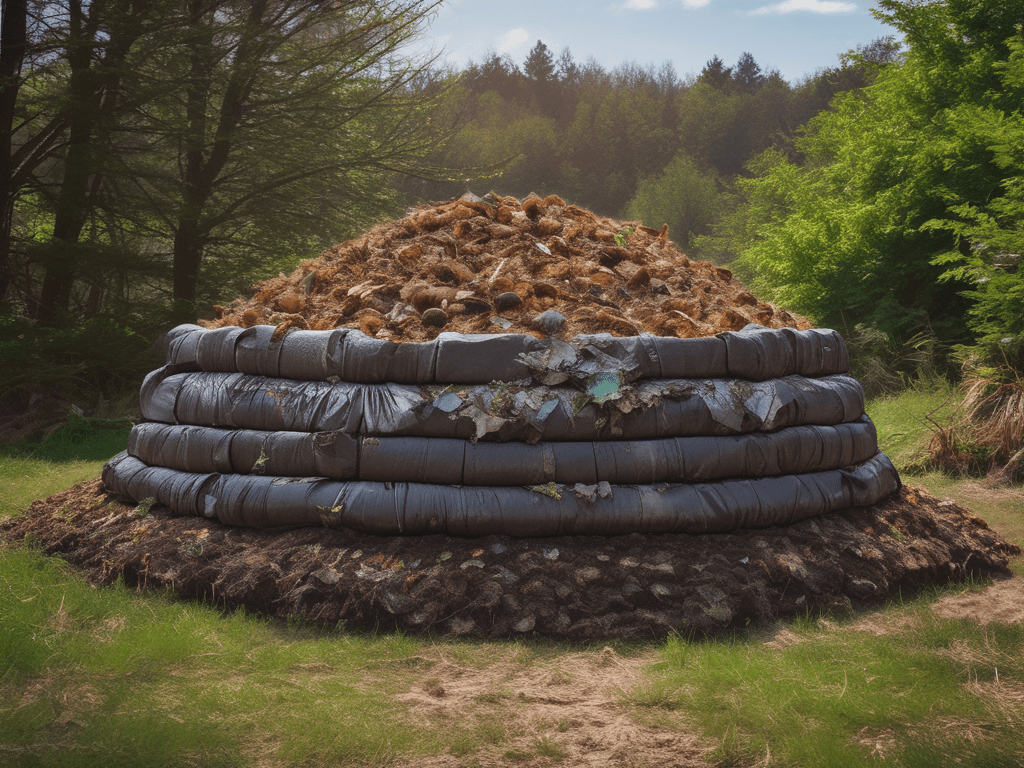
Composting cardboard is debated; select only clean, uncoated types. Shredding aids breakdown, with periods varying. Cardboard adds valuable carbon, making it essential for effective composting alongside nitrogen-rich materials.
The Beauty of Lesser Celandine: A Wildflower, Weed, and Herb | UK Native Plant
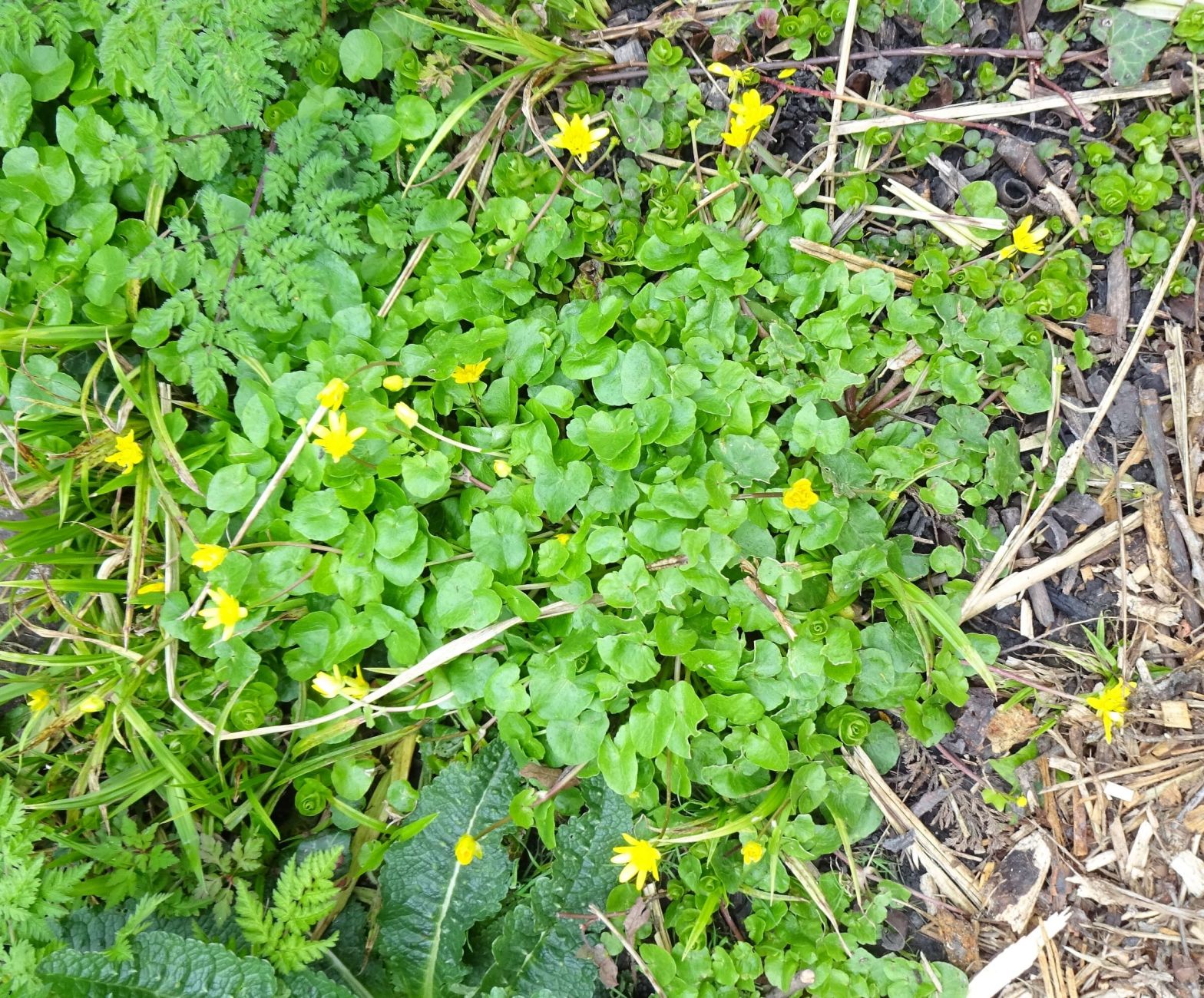
Lesser Celandine (Ficaria verna) is a bright yellow wildflower and perennial that can be invasive but also beneficial for early pollinators. It’s notable for its potential toxicity.
Clover (Trifolium) – A Versatile and Eco-Friendly Garden Essential

Clover, or Trefoil, is versatile in culinary and gardening use. It enriches soil, acts as a living mulch, and aids in weed reduction, but can be invasive.
Forget-me-not (Myosotis arvensis) – Delicate Beauty for Wildlife Gardens

The Forget-me-not, also known as Myosotis arvensis, is a charming wildflower with delicate sky blue, pink, or white flowers and yellow centers. It thrives from April to September, self-seeding and sprouting the following year. Ideal for wildlife gardens, it attracts bees and other pollinating insects with its nectar, and provides seeds for some bird species.

