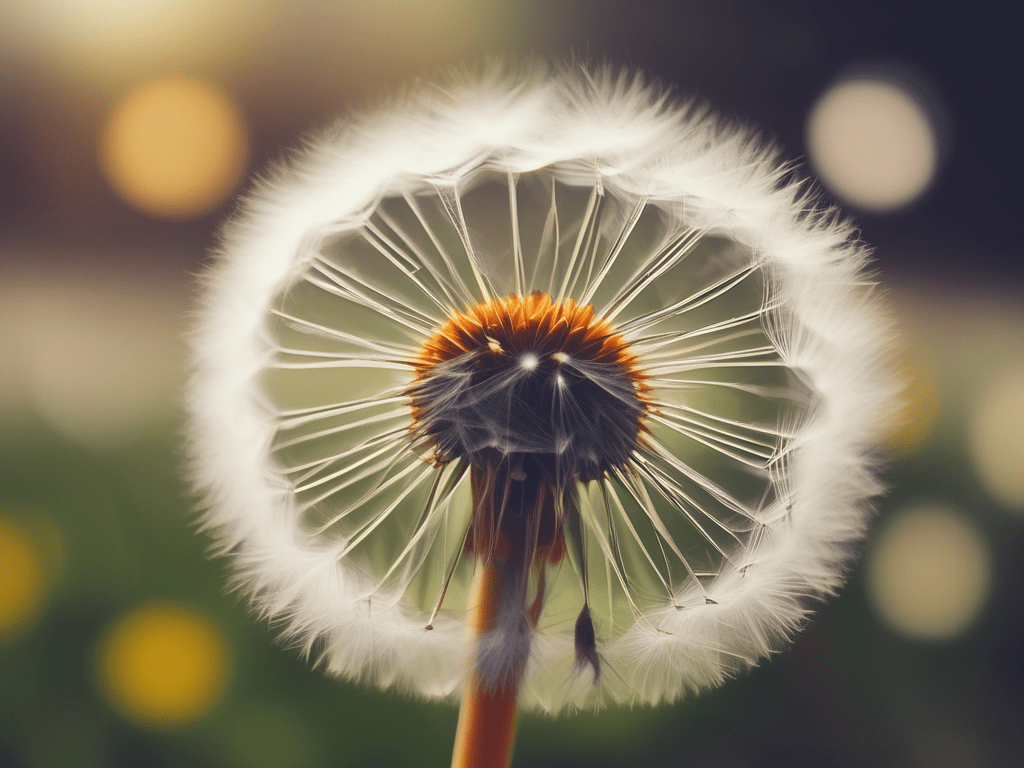
DandelionTaraxacum officinale Dandelion FieldCabbage Butterfly on DandelionDandelion Ingredients Many gardeners detest dandelions with the same passion as slugs and snails, which has always confused me, especially as this ‘weed’ is a versatile plant with many uses, waiting to be discovered.Many composters state that weeds like dandelions should not be added to the heap, and again,ContinueContinue reading “Dandelion: Versatile Plant with Many Uses”
Tag Archives: Bees
Hemp Agrimony (Eupatorium cannabinum): A Native UK Wildflower with Diverse Medicinal Uses

Hemp Agrimony, also known as Eupatorium cannabinum, is a herbaceous perennial with beautiful pink clusters of flowers. It is native to the UK and is often used in medicines for various ailments. This plant attracts bees, butterflies, and birds, but is also prey for slugs and aphids. Additionally, its leaves are used to make rope.
Rosebay Willowherb: A Captivating Perennial Flowering Plant

Rosebay Willowherb, also known as Fireweed in some regions, is a captivating perennial flowering plant that adds natural elegance to any landscape. While considered invasive, it attracts pollinators and offers nectar for various wildlife. However, its rapid spread requires careful management in gardens to prevent overwhelming neighboring plants.
Nasturtium: A Colorful and Beneficial Garden Addition

Nasturtium, known for its vibrant color, is seen as a flower by some and a weed by others. Historically used by apothecaries for its medicinal properties, it is now enjoyed in salads for its spicy leaves and rich flowers. This plant, loved by pollinators, also acts as a pest attractor and companion plant in the garden.
How to Create a Bee-Friendly Garden: Planting, Foraging, and Feeding

Bees play a crucial role as pollinators, and their survival is essential. To support them, plant bee-friendly flowers, avoid pesticides, and provide a water source. Distinguish between bees and wasps and appreciate the ecological balance they both contribute to. Supporting local organic food and raising awareness can make a difference in preserving these vital pollinators.
 Earthly Comforts