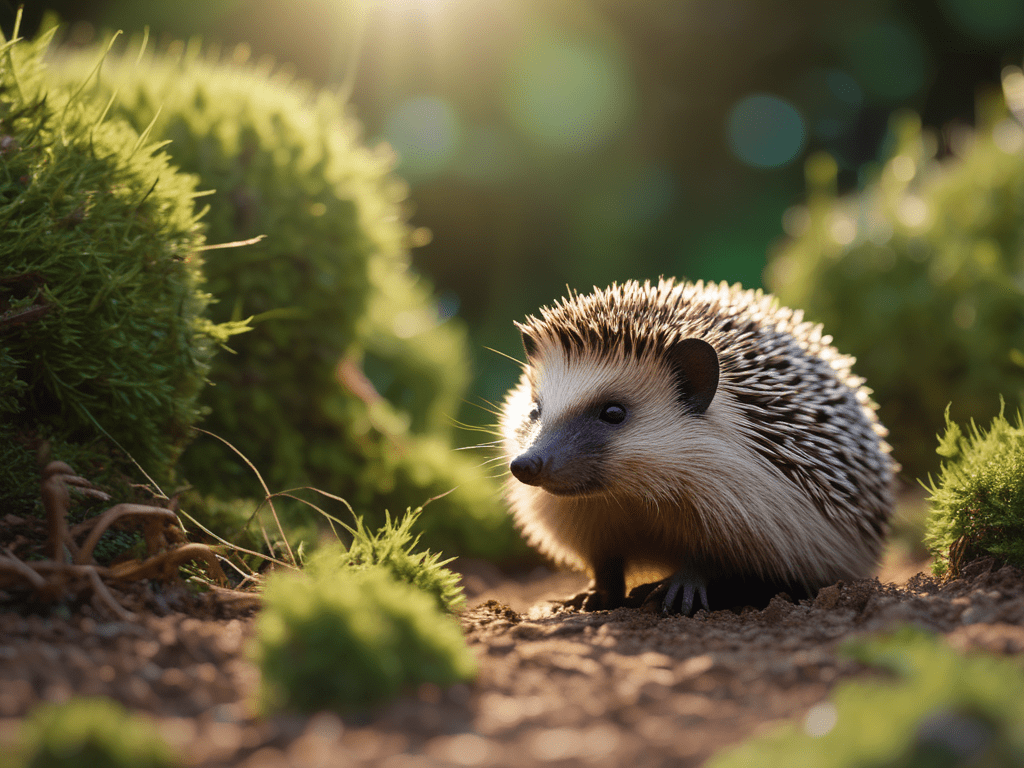
| Hedgehog |
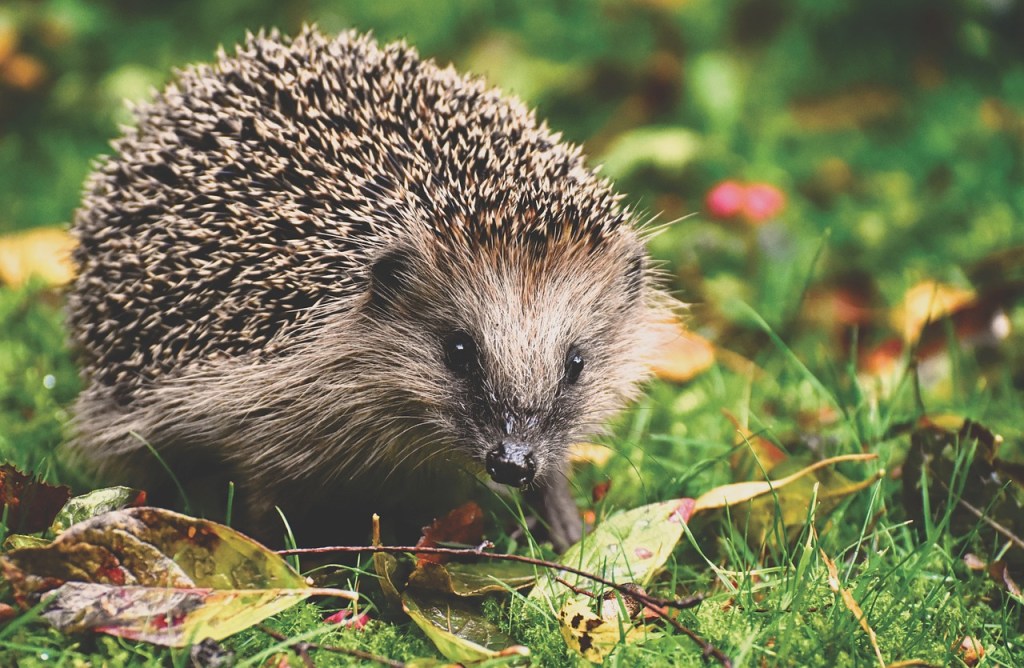
| I am often asked how to encourage wildlife into gardens. Are there any hints and tips for creating suitable environments? The answer is most assuredly yes on most occasions. Many of my clients often wish to know what encourages hedgehogs to the garden. |
| Highway Access points Hedgehog Highways/Holes are an excellent starting point for encouraging these shy animals into your gardens. These access points are not just aids for other species, like frogs and toads, but also crucial in facilitating the movement of hedgehogs, making your garden a responsible part of the wildlife ecosystem. Remember, a highway is simply a means for wildlife to get from a – b – c via your neighbour’s gardens. It’s crucial to speak to your neighbours about your ideas, concerns, and suggestions. If enough of your neighbours are willing to assist with highway connections in their fences, walls, or other enclosed perimeter barriers, hedgehogs can travel safely between the gardens, creating a connected wildlife-friendly community. Hedgehogs can walk up to a mile a night when on the forage for food, mates or nesting areas. |
| Garden Clearance As a homeowner, you have the power to attract and retain hedgehogs in your green spaces. There are specific actions you can take to make your garden a welcoming place for these delightful creatures. One of the key steps in making your garden a hedgehog haven is to ensure your pond is hedgehog-friendly. If you have a pond, it’s crucial to either make it off-limits to hedgehogs if it’s too deep, or if it’s shallow, consider placing stones that allow hedgehogs to easily access the water. Remember, while hedgehogs can swim, they can drown if they can’t get out of the pond. Despite their adaptability, hedgehogs can easily get caught in common garden litter like vegetable netting, play nets, and string. It’s crucial to keep your garden free of such hazards to prevent harm or even death to visiting wildlife. Always be mindful when gardening, especially when using equipment like strimmers or lighting bonfires. Being cautious can prevent unnecessary injuries or deaths of hedgehogs, who tend not to run away at the sound of most garden machinery. If you must build a pile to burn, either do so on the day or move the pre-made pile to an alternative area if a hog is nesting beneath. |
| Dead Hedge or Wild Patch Imagine the thrill of introducing a wild patch or corner to your garden, where the grasses can grow wilder and longer. This not only creates a picturesque scene but also encourages hedgehogs to stay and nest. Additionally, consider setting up a small dead hedge or cubby hole area with sticks and bracken or brash materials. This will not only entice hedgehogs to use it for nesting but also attract insects, a significant part of the hog’s diet. For a more structured approach, consider creating a specific hedgehog nesting area. This can be done by setting aside a dedicated log pile, which provides a safe and warm environment for hedgehogs. The core of the log pile can be filled with softer nesting materials such as dry leaves, mosses, and dried grasses. For those with carpentry skills, there are also hedgehog homes that can be easily crafted. |
| Supplementing the Diet Hogs will genuinely appreciate a saucer of fresh water, a plate of kitten biscuits, and a wet and meaty cat or dog food if you feel so inclined. Ideal supplements are high in protein and low in sugar content. It’s a myth that hogs need to have a saucer of milk – hogs are lactose intolerant. They don’t need bread either, as they have problems with wheat. Another myth is to leave out for them peanuts [which can cause injury by becoming stuck], mealworms and sunflower hearts [which contain no nutrition and are thought to create further issues with hog health]. There are hedgehog foods sold commercially on the marketplace. However, many foodstuffs need to be regulated and should be avoided. Research and understand the market, as a few brands are safe to use. |
| Act Now: eliminate the Need for ‘Cides’ and Protect the Environment Your Role in Promoting Sustainable Gardening: insecticides, pesticides and herbicides are harmful to the environment and reduce and damage worm populations and reduce and destroy insect numbers. Healthy, managed and well-maintained gardens do not need to utilise these chemicals. Slug pellets are also toxic to hogs. If you wish to see hogs visit, eliminate the cides. |
| Hedgehog Overview |

| Hedgehog | Erinaceus europaeus |
| Order | Eulipotyphla |
| Family | Erinaceidae |
| IUCN Red List Status | Vulnerable – UK [Since 2000 British Hedgehog numbers have dramatically declined by half in the countryside and by a third in towns and cities.] |
| Distribution | Widespread range from the United Kingdom and throughout most of Europe with the exception of the far north. No presence on Scottish islands. |
| Resident Habitat | Woodlands, hedgerows, parks and green spaces, wild and countryside gardens and fields |
| Alternative Names | Urchin, Hoggy, Hedgepig, Furze-Pig, Grainneog, Igel, Hoge, Hogge, Heyg, |
| Life Expectancy | Up to 6 years |
| Size and weight | 20-35 cm and around 650-750g |
| Description | Spined Coat, long coarse facial and underpart hair Spines are actually modified hairs about 20mm in length. Each adult hedgehog has between 2500 to 5000 spines. The spines last roughly a year and are dropped as new ones grow. |
| Wild Diet | Hedgehogs are Omnivores – Slugs, Snails,Beetles, Earthworms, Bird’s Eggs, occasionally Frogs and Toads, Snakes, Caterpillars, Carrion and Mice nests, Mushrooms, Grass Roots, Fallen Berries and other soft fruits. |
| Behaviours | Hedgehogs sleep under hedges and shrubs during the day. They awaken at dusk to start foraging They are usually solitary and nocturnal animals. Hedgehogs are noisy snuffling animals and messy eaters. They have a poor eyesight but an acute sense of smell, touch and hearing. If threatened, hedgehogs will either roll up into a ball or make themselves large and raise their spines. During the coldest winter months and when food is scarce hedgehogs go into a stage of partial hibernation in a pre-made nest on ground level in either log piles, dead hedges, compost heaps, leaf piles. The hedgehogs will forage for foods in the preceeding months so as to acquire a suitable layer of fat which is used up during the hibernaculum nesting period. Hibernation lasts between November to March but if the hedgehog has not been able to store sufficient fat layers they may die during this stage and especially if the winter is longer and harder. |
 Earthly Comforts
They are so cute! I wish I could have a garden where to encourage “normal” wildlife…here in the garden around the house I have huge monitor lizard, lots of geckos, huge spiders, luckily I did not see snakes yet…🙈
LikeLiked by 1 person
AH YES the beauty of the Malaysian styled gardens 🙂
LikeLiked by 1 person