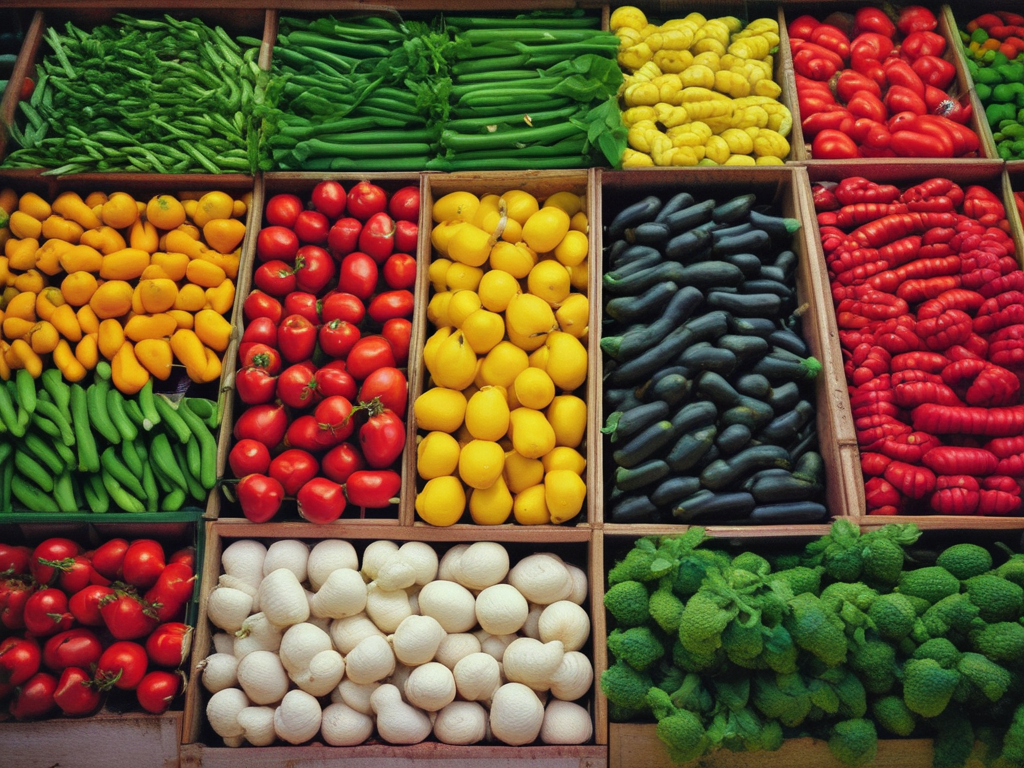
| There were many reasons Suze and I were drawn to the idea of having an allotment, but the sheer joy of growing our own produce was a significant factor that inspired us. However, the main emphasis lay on how we wanted to produce fresher food for the table and most importantly, be accountable for how it was grown, empowering us with a sense of responsibility. With our hands upon our hearts, we can proudly say – we made this. Our foods were grown in season, ripened naturally, and harvested at the right time. This natural process connects us more deeply to our food, making it taste differently, have a higher nutritional value, and a deeper flavour. They are truly picked for the eating. We were also getting tired of the sad fact that if we bought supermarket fruit and vegetable groceries on a Monday, there was a high chance that the produce would be turning or already off by Friday, if not before. This was something we noticed more with imported or non-locally grown foodstuffs. It is no secret that certain foods are on ice or chill for very long periods these days after they have been imported. I remember reading about apples in supermarkets. However, it is not just the big produce sellers anymore, but any small seller that buys foods from other sources to sell. Those apples, for example, could be sitting on ice for nine to fourteen months, more so if you buy apples out of season. This, therefore, lends more weight to growing your own and eating seasonally. However, you can understand why buyers are tempted on cold, bleak and wet days to have tropical fruit and vegetables, such as pineapples and avocados, in brighter colours in their shopping basket compared to food items grown locally. But this is only sometimes the healthier option. For a long time, nutritionists, health professionals, and gurus alike have been touting the benefits of eating seasonally. This can be for weight loss or weight gain, restoring a healthier balance, or attuning to the body’s hunger mechanisms rather than the brain convincing the consumer that other sweeter food types might be more delicious. Non-seasonal foods have been harvested long before you might see them for sale. They might have been artificially harvested or come from a country with a different weather climate from yours. It is undisputable that freshly harvested foods in the right season don’t require artificial assistance—lighting, heating, chilling, fertilisers, waxing, bleaching, or additional colouring supplements. These elements harm not just the fruit or vegetable but also you and our environment. Seasonal growing is just one of many answers to all the problems associated with modern farming techniques and agricultural practices. Still, it is a series of steps in the right direction to reduce the impact of each carbon footprint, the total amount of greenhouse gases that are emitted into the atmosphere as a result of human activities. There are many reasons for eating seasonally; however, six of the most important are below. |
| 1 Purchasing locally supports local businesses and farms, as well as the farmers and growers alike producing food for the table. |
| 2 When you buy local produce, you’re not just supporting the growers, but also building a personal connection with our environment. The costs of transporting foods worldwide are expensive and are passed directly on to the consumers’ wallets and purses, but when you buy locally, you’re supporting real people and their livelihoods. It might be great seeing strawberries all year, but remember, your local producers will need help to sell their wares and compete with more significant sellers, and before you know it, that quaint family-run business that has been on that farm since you were kneehigh to a grasshopper will be gone. The lands turned to something else because they couldn’t afford to keep the orchards going and growing. |
| 3 The nutritional value of vegetables and fruit begins the deterioration process naturally when harvested. However, when it comes to imported produce, the story is different. These fruits and vegetables are often sitting on ice or in the chiller for long periods, treated to artificial processing, and harvested from a location thousands of miles away. This long journey and processing have already led to a significant loss of nutrients, making them a less healthy choice compared to locally grown produce. |
| 4 Seasonally grown produce is fresher than the artificially inflated importers but more environmentally friendly and natural. These fruits and vegetables have been developed in our climate and harvested from our soils. |
| 5 Buying locally and seasonally is a much cheaper option for the consumer in the long term. When our growers have a richly abundant crop due to the seasons, the price naturally drops to the consumer, providing a reassuring confirmation of your financial decisions. Unlike food products bought out of season, locally grown and sourced produce has no additional heavy financial pressures like transport, freezing and storage facilities. |
| 6 I agree that it’s not always possible to buy fruit and vegetables in season; all I would say is to remember to strike a balance and not just rely upon the supermarkets and big sellers for your fresh food groceries but to give some thought to local sellers, too. Eating from seasonal diets can be fun and challenging as well. For starters, you should be more familiar with what is grown locally and available per season. You might be surprised by what is supplied locally to you, and additionally, the beauty is taking advantage of the products and perhaps even looking up new recipes. |
 Earthly Comforts
I agree about buying produce locally. It’s a better option from many aspects.
LikeLiked by 1 person
Yes it is, it’s also very supportive of local growers.
LikeLiked by 1 person