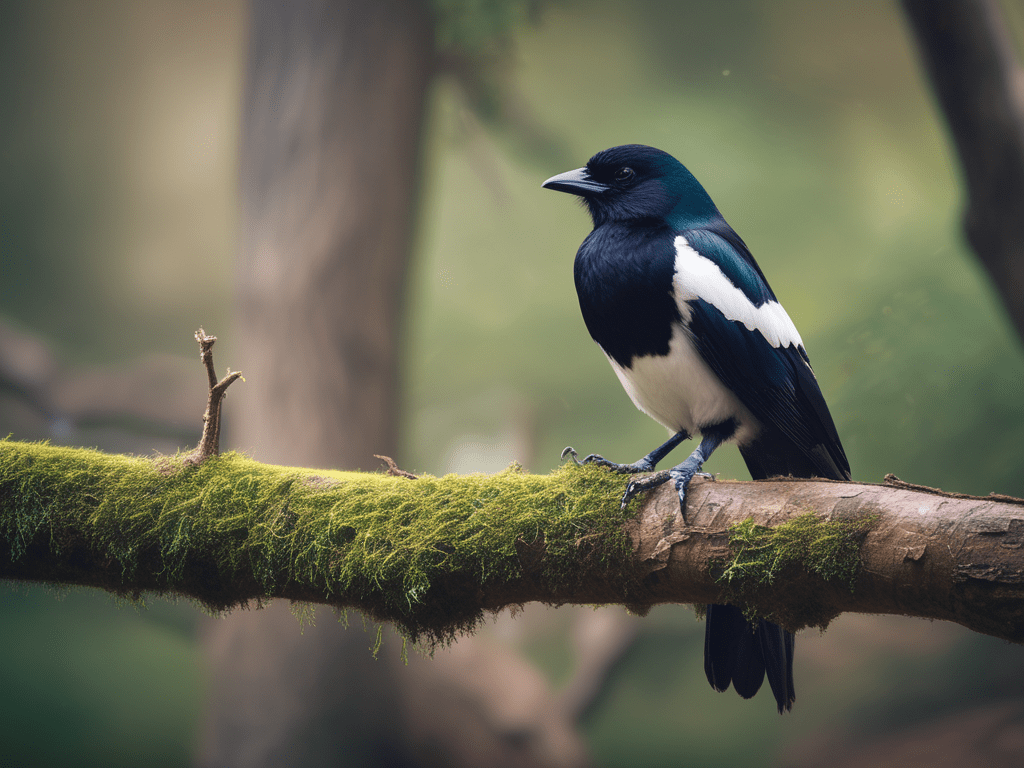
| Magpie Eurasian or Common Magpie Pica pica |
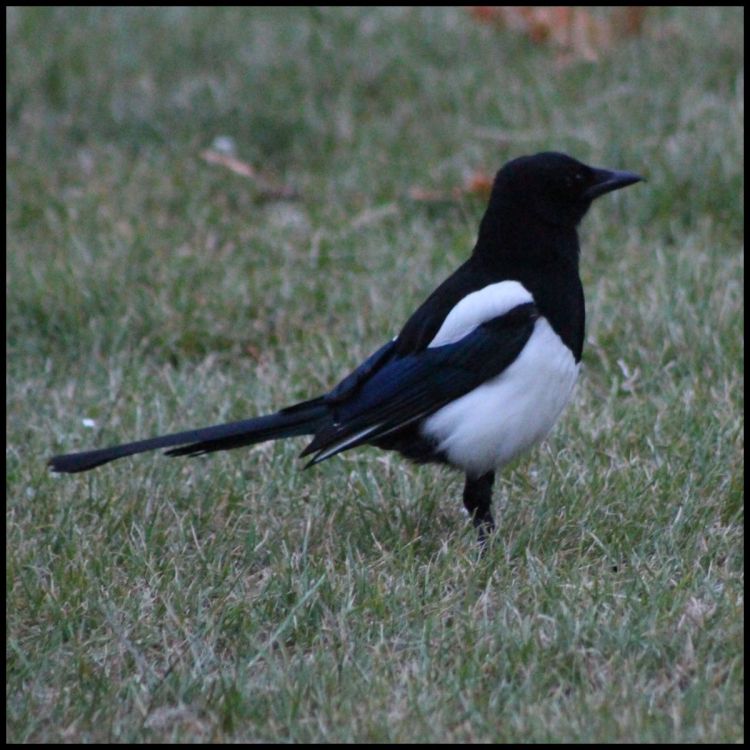
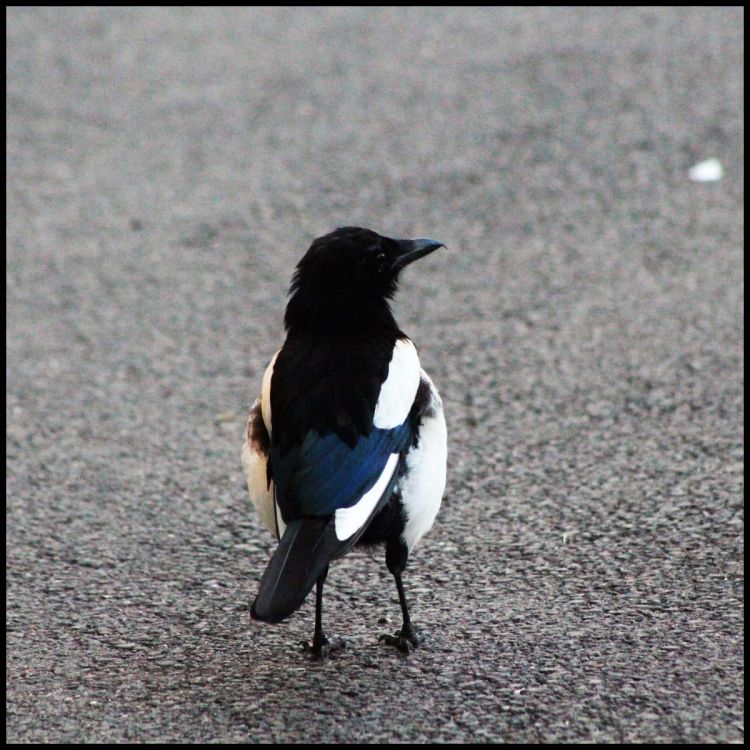
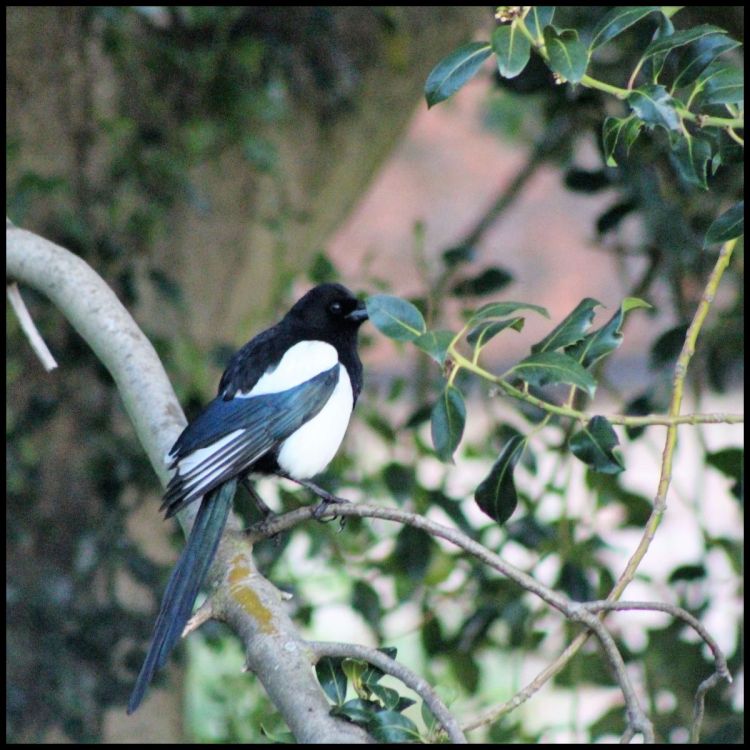
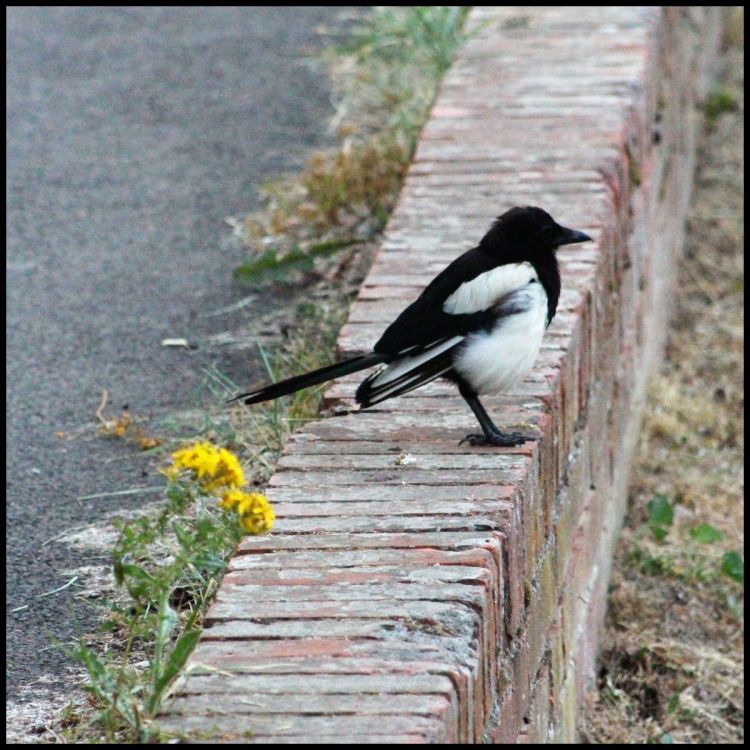
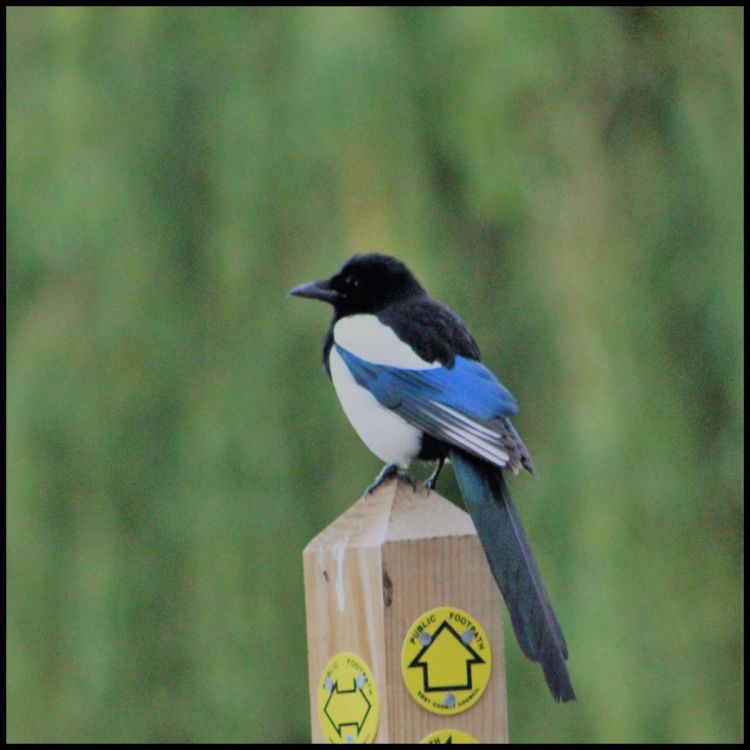
| If you want to ward off bad luck, the usual greeting to the Magpie is ‘Good morning, Mr Magpie. How are Mrs Magpie and all the other little magpies? ‘ I have been known to wish the Magpie well before, but then it had nothing to do with myth, legend, or superstition, more to do with it – it is my way. Mine is more the polite wildlife salute. One for Sorrow, Two for joy, Three for a girl, Four for a boy, Five for silver, Six for gold, Seven for a secret, Never to be told, Eight for a wish, Nine for a kiss, Ten a surprise you should be careful not to miss, Eleven for health, Twelve for wealth, Thirteen beware, it’s the devil himself ‘One for Sorrow’ is a nursery rhyme for children about the Magpie, and the earliest version dates back to 1780. Superstition has it that the number of birds you see interprets how much good or bad luck you will have. It is not always associated purely with the Magpie but also with members of the Corvid family. I have always had a fondness for the cheekiness of the Magpie. They have a way about them. Like the Jackdaws, they are part of the Corvid family. They have constantly reminded me of the kookaburra, although the Australian Magpie is unrelated to other maggies worldwide. Magpies are curious and intelligent. Some magpies can recognise themselves when it comes to the mirror test. MSR, or mirror self-recognition, is a behavioural test after which it can see if an animal can recognise its features in a reflection. They can also remember you, especially if they remember swooping you during their breeding season. Magpies are known for their ability to sing, and at one point in history, they were kept as domestic caged birds in residences. The “pie” part of their name comes from Old English and is derived from the Latin pica. It used to be that many birds were given common names like Jenny Wren, Robin Redbreast and, in the case of our bird here, Maggie Pie. This was soon replaced with the term we use today, Magpie. Many people see magpies as pests. They are a species known for their ability to eat miscellaneous items but with a tendency to raid orchards and fruit. Ultimately, the Magpie is both an omnivore and a scavenger. Some see them as the absolute master of all trades in scavenging, predation, nuisance and pest dominator. They are adaptable and can see opportunities wherever food is concerned. Many regard them as birds with lousy attitudes; l don’t; l do see them as survivors. They have this mischievousness and arrogance that many fanciers cannot abide. They will gather together when not in the breeding season and congregate in large flocks. In my eyes, they are an attractive species – black and white plumage that almost appears a blueish-green teal-like colour in the plumage. They are a reasonably large species, measuring around fifteen inches long with a wingspan of around two feet and weighing 250g. Overall, they are relatively social birds. However, for a while, especially during the breeding season – August to September, you should be wary of territorial male magpies defending their nesting areas because it isn’t unusual for them to swoop passers-by. Many names know the Magpie. Here are a few: Bush Magpie, Chatterpie, Haggister, Madge, Mag, Maggie, Maggit, Mock-a-pie and Tell-piet in the example. A group of Magpies is known as Mischief, while a group of Crows is known as Murder. Noah of the Ark couldn’t convince the Magpies to enter the boat, so the birds sat atop the roof for the entire journey. |
 Earthly Comforts
Thank you for such an interesting post about the Eurasian Magpies. As you mentioned they are very different to and unrelated to our Australian Magpies. Ours do have a nice warble though.
I had never heard, or maybe don’t remember the nursery rhyme about magpies. I do remember being told by my mother that if you see one alone it’s bad luck. Maybe that came from one for sorrow, two for joy and mum didn’t remember the rest of it.
LikeLiked by 1 person
🙂 Yes Ozzie Maggies are a whole different breed, l remember seeing them in the Dandenongs a lot when l used to go scouting.
LikeLiked by 1 person
Hey, Rory! I enjoyed this article. Thank you very much!
I don’t remember ever seeing a live Magpie here in the states, although I have seen a stuffed one. I was surprised at how large it was. I remember thinking it looked like a Raven except that it had some white feathers. I do still wonder about the similarity of Magpies, Ravens and Crows, not only because of their behavior patterns, but because they all seem to be very intelligent. Do you know, if they are variations of the same species?
LikeLiked by 1 person
Hey Betty, yes, crows, ravens, magpies, rooks, jackdaws and so on including jays all part of the corvid family 🙂
LikeLiked by 1 person
Oh! Thank you for clearing that up for me, Rory. 😊
LikeLiked by 1 person
Pleasure Betty 🙂
LikeLiked by 1 person
😊
LikeLiked by 1 person
I’ve never seen a Magpie live, but they appear to be beautiful birds with lovely coloring. One of my followers displayed photos of Magpies in her birdbath, and stated they are highly intelligent birds and that they talk to her. Thank you for sharing your beautiful photos and detailed information about Magpies. I enjoyed the nursery rhyme which I never heard before. 😉
LikeLiked by 1 person
Hey Eugenia, maggies like crows are extremely intelligent birds 🙂
LikeLiked by 1 person
Thank you for letting me know, Rory. 🙂
LikeLiked by 1 person
Magpies seem like wonderful birds! I always greet the birds too, especially the Crows. I haven’t met very many birds in our new location. I’ve mostly seen Crows, and Mourning Doves, but I did collect a Hawk feather on my first day, so I’m taking that as a good sign since Hawks are special to me.
LikeLiked by 1 person
Hey Grandma 🙂
Will you be writing a post soon showing all?
LikeLike