
| Nettles Urtica dioica |
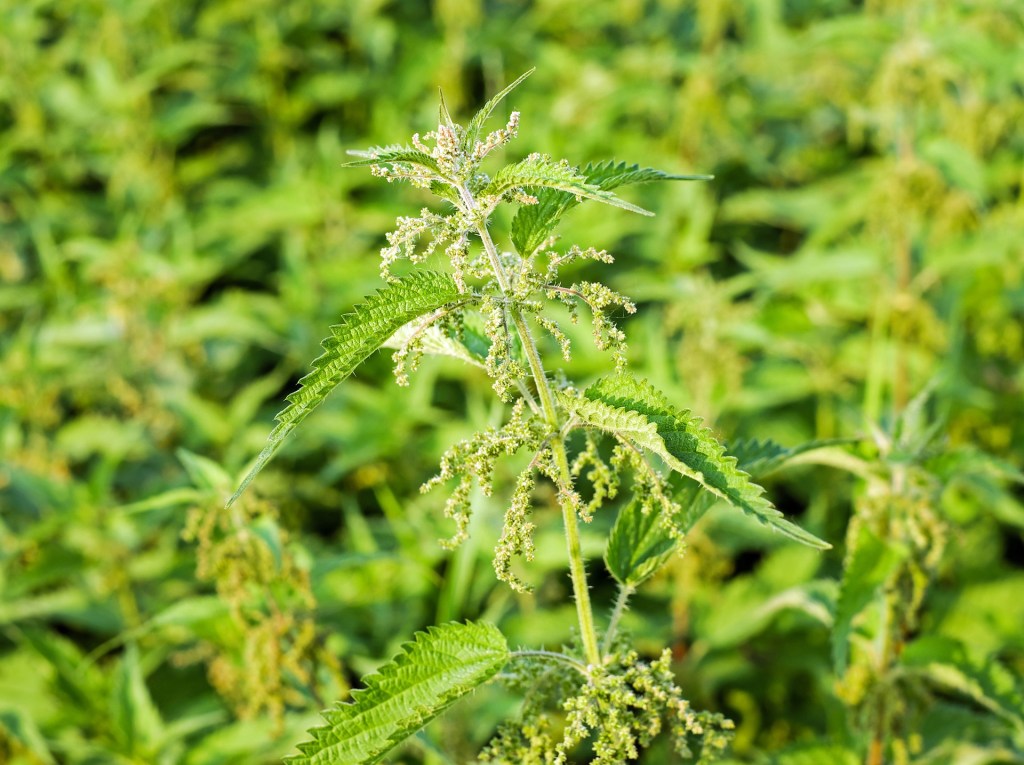
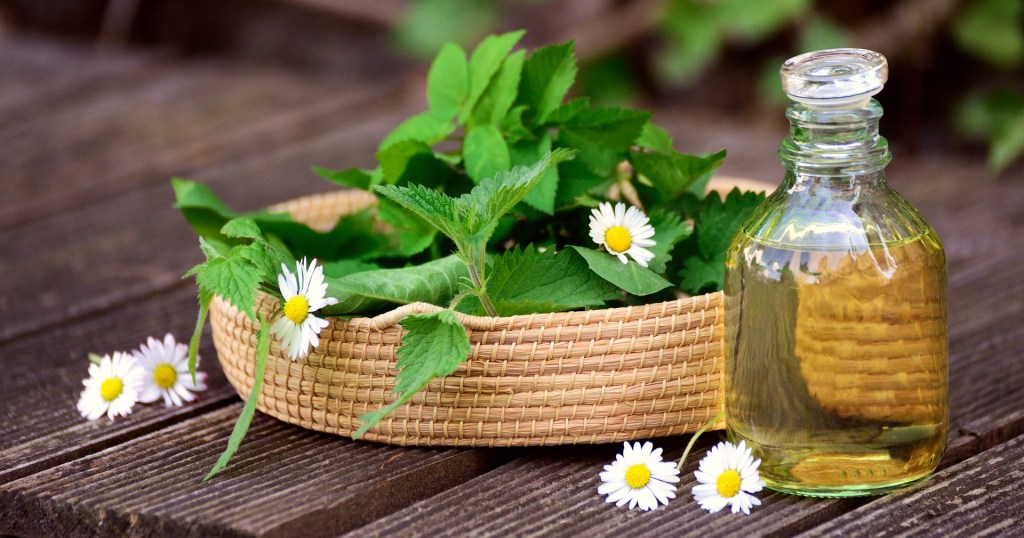

| Nettles, often dismissed as weeds, are surprisingly versatile. They not only cater to the needs of gardeners and composters but also find applications in medicine, herbal remedies, and even culinary delights like Nettle wine, which is known for its unique sting. That aside, let’s look at the nettle regarding composting/fertilising and some interesting facts for wildlife, too. When I used to keep animals commercially, I cultivated a specific part of my vegetable garden solely for nettle growth. The nettles were cut and hung inside the barns and allowed to dry out completely. They were then shredded down and added to the seed mixes for rodents and herbivores alike, as well as used for bedding. Cold steeping the nettles in open-air vat bins combined with rabbit poop pellets made a seriously healthy fertiliser for the gardens. Over the years, l have grown or left uncut patches of nettles in the garden for wildlifing purposes, composting, or making nettle tea. Nettles, much like mint, are resilient and can thrive with minimal care. Their benefits, however, are considerable. They provide ample foliage for butterflies and serve as a rich food source for caterpillars. By cultivating nettles, you can divert insects from your prized plants, offering a sanctuary for them in your garden. Nettles make a great fodder or decoy plant. A pot or two carefully sited in the garden appeals to both aphids and ladybirds alike. Aphids use them for shelter, and ladybirds eat the aphids! If you grow nettles directly in your beds, you can use them to enrich your soil. Remember to dig them and their roots up at the end of each season, as they don’t need any encouragement to stay. Once dug up and fetched out, chop them up [clip them] and add them to your compost heap. They are great activators and accelerators for the whole decomposition process. Make sure to chop them up, dig them into your pile, and not just leave them in one massive clump because they are like grass and can become incredibly slimy with a remarkably offensive smell! It’s important to note that if you’re not running a hot compost heap, you should remove the seeds and roots of nettles before adding them to your compost. Otherwise, you might find them sprouting in your heap, which could lead to an unwanted nettle invasion. If you don’t wish to add them to your compost stack, I would suggest cold steeping them for around a month or so and turning them into nitrogen-rich nettle fertiliser. They are superb for the bushy vegetables and plants. The best ratio for a balanced tea is one part tea to ten parts water. Chop the nettles up, or depending on the size of the container you are using, stuff them in, cover them with water and a brick or two and a lid of sorts, and leave for roughly a month and let them soak. Like with ‘weed teas’, don’t site the containers too close to the house as the smell is somewhat vibrant, to put it mildly. Each time you remove the cover, you will smell what l mean! However, adding a herb or two to the mix, like thyme, sage, mint, or Rosemary, will make the scent more tolerable. If you are feeling adventurous, try picking some younger leaves near the top of the early-season plants and frying or boiling them to make them quite tasty. Think spinach. While on the subject of consumption, your worm farms will also benefit from having nettles added to their feeding schedules. Nettles, like coffee, add nitrogen. They are a great source of protein for the worms and can help speed up the composting process. Just be sure to chop them up finely before adding them to the worm bin. |
 Earthly Comforts
Oh, this is great. We have grown some nettles in the garden at the back of the house. I guess they are nettles. I would ask the gardener to add more of them. Thank you for the post. Hope you have a beautiful weekend.
Love and Light
Kritika
LikeLiked by 1 person
Hey Kritika 🙂
Thank you and wishinh you a lovely Sunday 🙂
LikeLiked by 1 person
Enjoy!
LikeLiked by 1 person
Great info Rory! I don’t know why we are having so much trouble getting a nettle patch established. Been trying for about 3 years and they are very slow to spread. I don’t know if I would ever use them for compost because I love them for tea and might even add the leaves to a pot of soup if I had enough.
LikeLiked by 1 person
Hey Ruth, over here they grow in abundance, haha in fact in some of the gardens l clear they are constantly endeavouring to scar me for life, l am glad to compost them 🙂
LikeLiked by 1 person
They usually grow like crazy here too and people often kill them with herbicides. GRRR!
LikeLiked by 1 person
Yes sadly people don’t appreciate them that much Ruth, they should though.
LikeLiked by 1 person