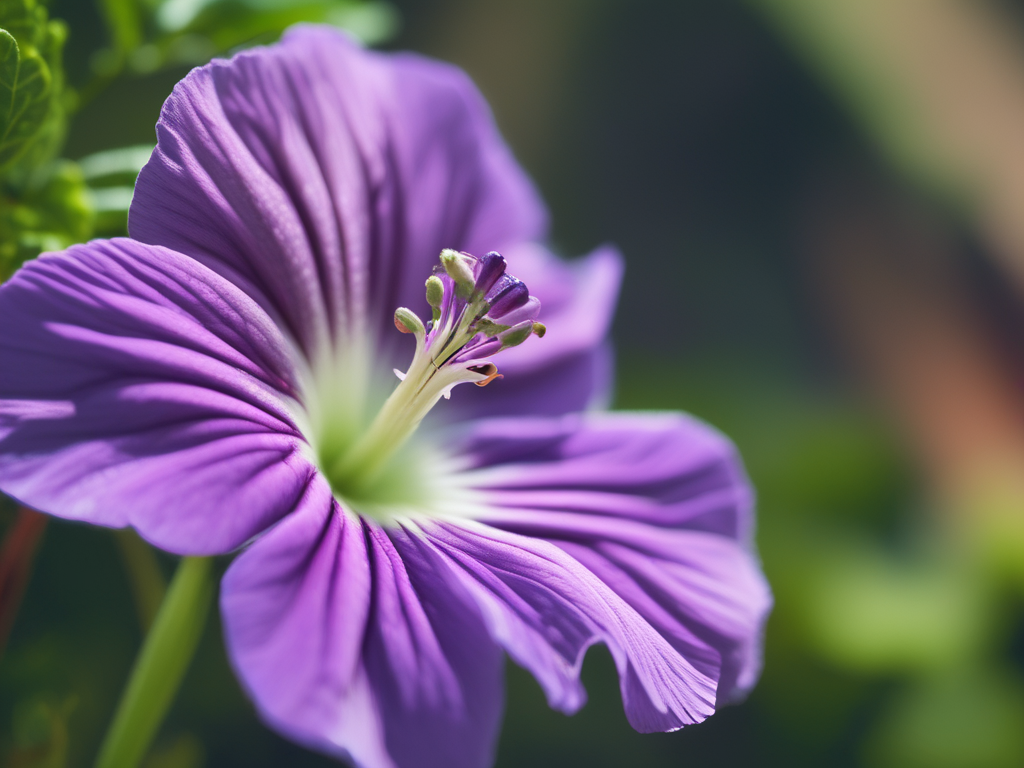
| [Common] Mallow Malva sylvestris |
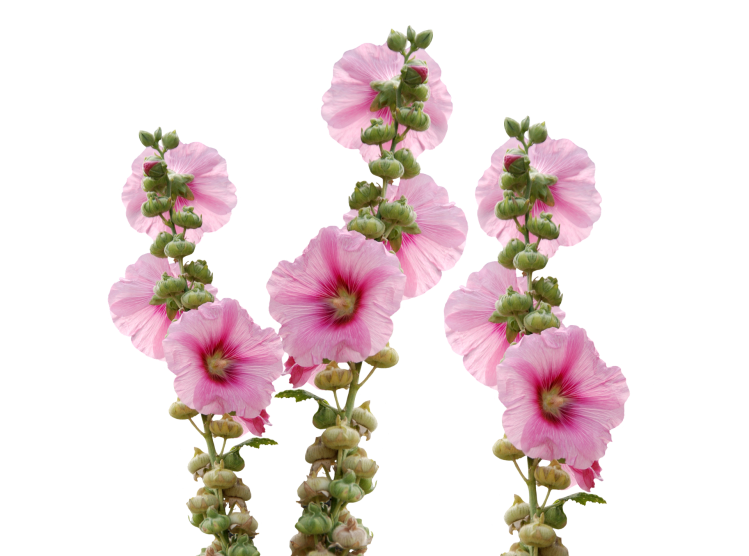
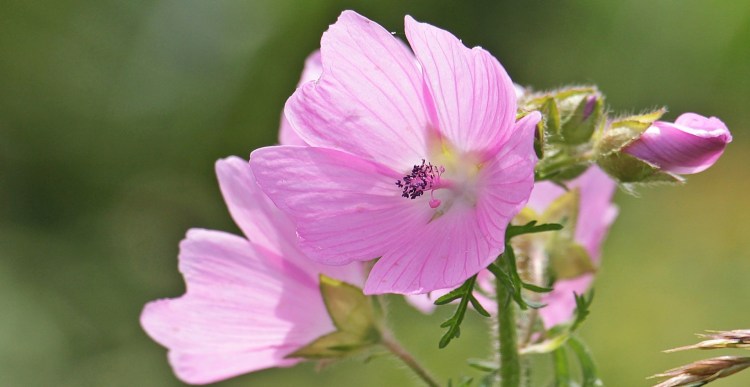

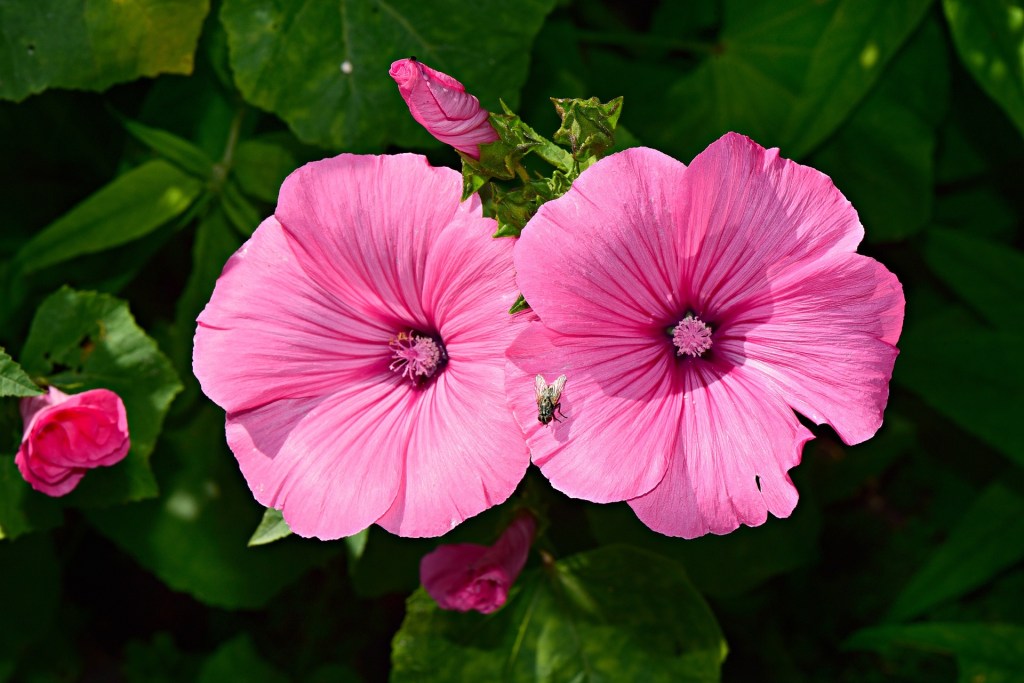
| I have had Mallow growing in my garden, although my current garden has none. It surrounds us here in the countryside, a stunning flower, yet still a weed, a countryside weed or a woodland wildflower pending personal interpretation. Its beauty is truly captivating. Mallow, a delightful addition to many wildlife gardens, is a boon for pollinators. Bumblebees, honey bees, solitary bees, and many other pollinators adore Mallow, making it a valuable addition to any garden. While it is straightforward to plant and manage, it’s important to note that some may view it as invasive, so caution is advised. In some countries, Mallow is seen as an aggressive and invasive weed. It can attain heights of between three and a half and eight feet and a width of around 30 inches. Mallow has very long taproots. In ancient times, this was grown as an herb, and you can still buy it from specialist seed sellers. The plant is edible – flowers and leaves alike, with the latter being great as a lettuce-type leaf. You can even chew on the root to aid dental hygiene! Mallow is not just a pretty flower. It possesses medicinal properties, its leaves can be dried and brewed into a Tea. It can also be used in the realm of beauty. With its multitude of uses, combined with its aesthetic appeal, Mallow is a plant of endless possibilities. In French, the word mallow translates to Mauve. |
 Earthly Comforts
One thought on “The Beauty and Benefits of Common Mallow: A Wildlife Garden Essential”