
| Angelica |
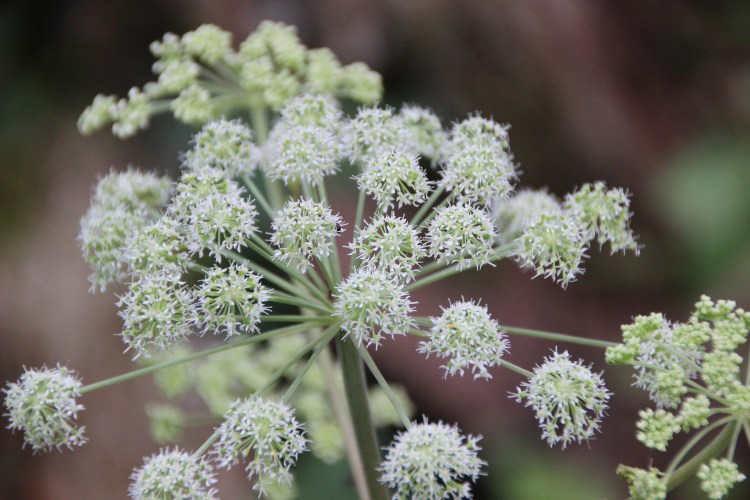


| Angelica – A Graceful Herb for Garden and Kitchen Often known as wild celery, Angelica is a striking biennial (or short-lived perennial) herb in the Apiaceae family, making it a close relative of carrots, parsley, and fennel. It’s valued not only for its culinary and medicinal uses, but also for its impressive height, aromatic foliage, and benefits to wildlife. Growing Conditions & Care Angelica is non-invasive, easy to care for, and not overly demanding if provided with the right conditions. It thrives in partially shaded areas with moist, fertile, and well-drained soils, enriched with compost or mulch. It prefers a cool, dappled environment and struggles in overly dry or hot conditions. It does particularly well in areas such as shaded woodland paths or north-facing borders, where it receives soft light and consistent moisture. Angelica also grows beautifully in large containers or pots, provided they retain moisture without becoming waterlogged. Culinary & Medicinal Uses Every part of the Angelica plant has a use: Stalks: Harvest young and tender in spring to use like celery. Great for baking, candying, or garnishing desserts. Leaves: Can be dried for herbal teas or used fresh in salads and as a garnish. Roots & Seeds: Traditionally used in herbal medicine. Angelica is also used to flavour gin, liqueurs, and herbal wines, and was once considered a powerful remedy against the plague. Today, it’s still valued for supporting digestion, reducing anxiety, and aiding sleep. Wildlife Benefits & Companion Planting Angelica is a magnet for wildlife. Its flowers attract bees, butterflies, hoverflies, and other pollinators, while its seeds are enjoyed by birds. Though it may face pests like aphids, spider mites, leaf miners, slugs, and snails—especially in the seedling stage—it’s still a worthy addition to any wildlife-friendly garden. It pairs well with other aromatic herbs such as sage, mint, and marjoram, and makes a fantastic companion plant in mixed borders or herb gardens. Quick Tips Best Harvest Time: Spring, when stalks are young and tender. Ideal Spot: Part-shade, moist but well-drained soil. Wildlife Appeal: Loved by pollinators and birds. Container Friendly: Yes—just use a generously sized pot with good drainage. From Seed: Sow mid-spring and keep moist during germination. With its tall stature and fragrant foliage, Angelica makes a stunning architectural plant for the back of borders, combining beauty, utility, and biodiversity. |
 Earthly Comforts
I often used to see these growing wild by the side of the road when I walked to school… or am I mistaking them for something else?
LikeLiked by 1 person
Good morning Jaye 🙂
It might have been or perhaps not, there are several kerbside wild flowers that resemble the same – a big one is Keck better known as Cow’s Parsley but also young Hogsweed looks the same better known at times as Cow Parsnip.
LikeLiked by 1 person
Good to know, Rory…
LikeLiked by 1 person