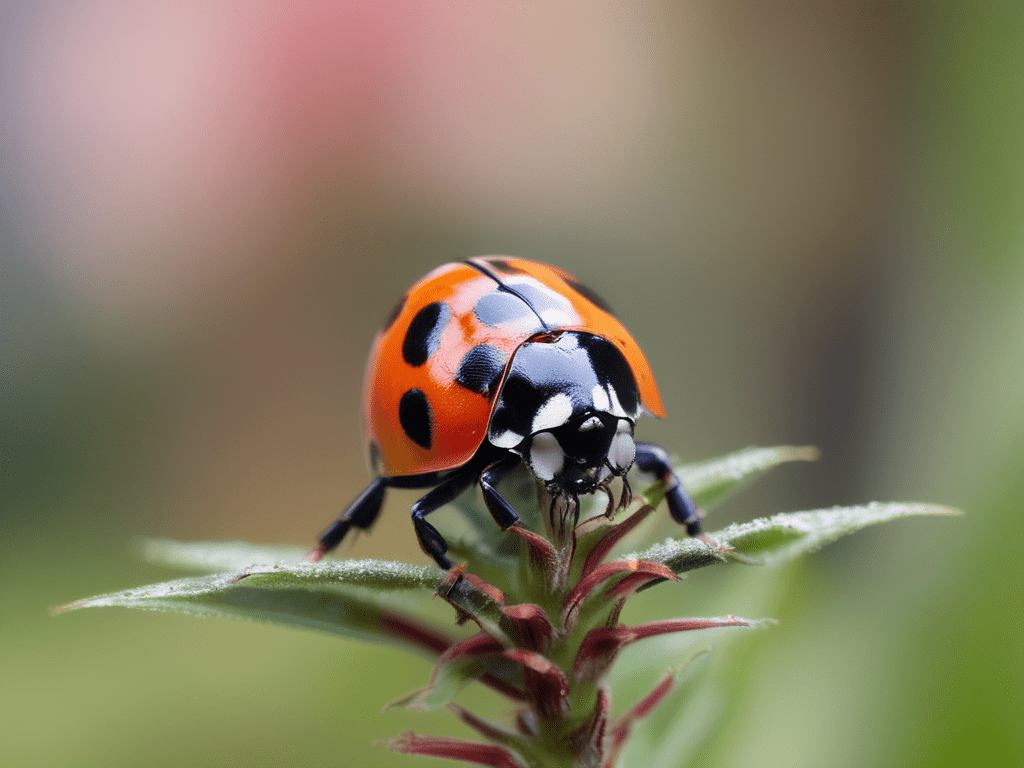
| Ladybird |
| Coccinellidae |
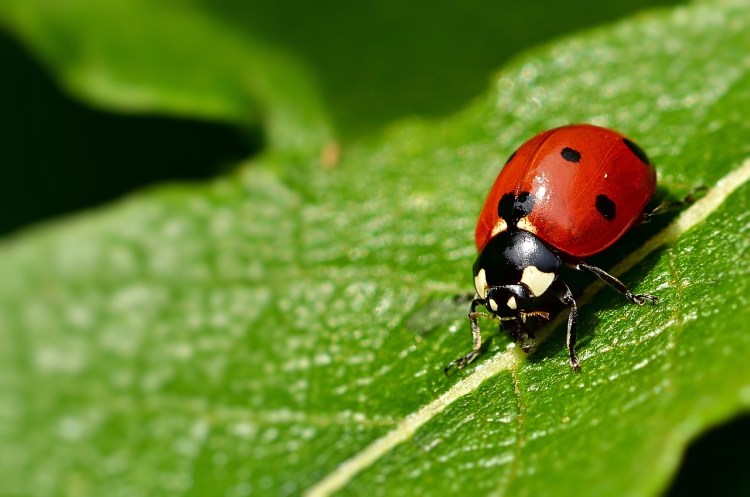
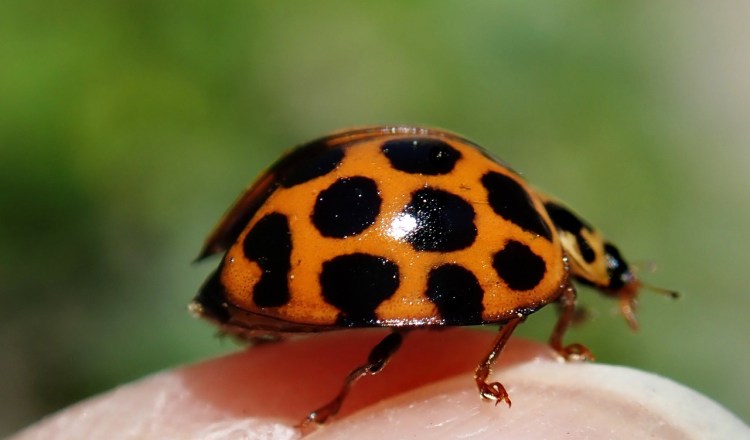
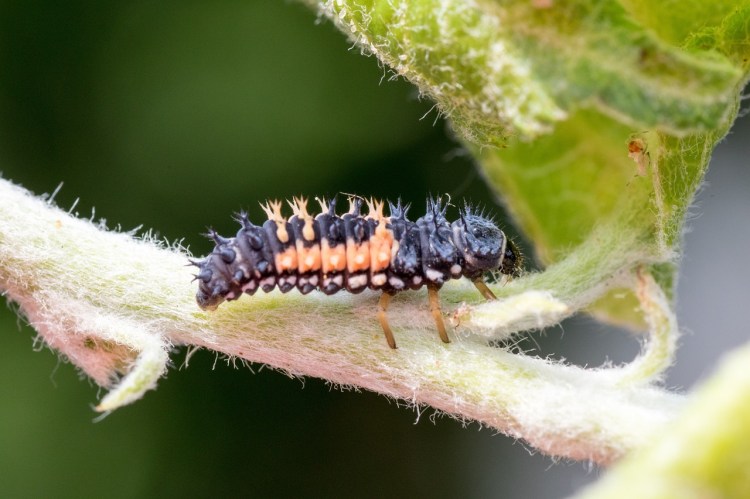
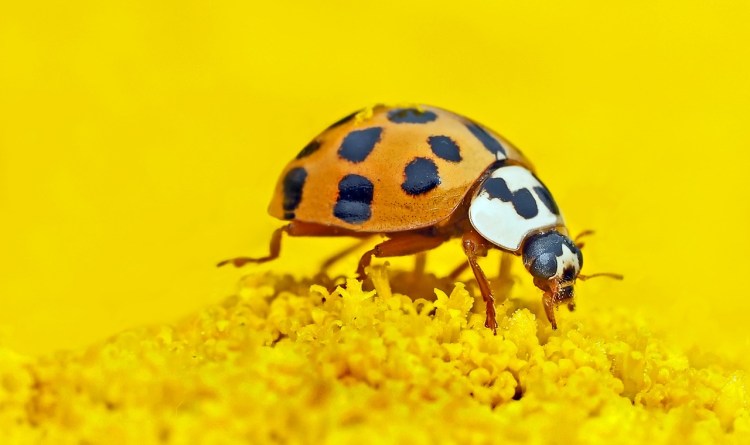
| When I’m working in the gardens or down at the allotment, I often come across a variety of beetles. These include scarlet lilies, thick leggings, tansies, stags, green tigers, and ladybirds. Each of these species has its unique characteristics and behaviors, which I’ll delve into in future articles. One of the reasons for creating the dead hedge on the allotment and in other locations like Gazen Salts was to provide a habitat for beetle species. Beetles, including ladybirds, play a crucial role in our ecosystem. They help control pest populations, pollinate plants, and decompose organic matter. With over 4000 beetle species in the UK alone, it’s clear that beetles are everywhere and are an essential part of our biodiversity. In time, l’ll write more about beetles. However, this episode concerns the Ladybird, one of the most popular British garden beetles. The term ‘Ladybird’ is a common name for this beetle type, which is from the Coccinellidae family. It’s interesting to note that the term ‘Ladybird’ dates back to the Middle Ages when they were called the ‘beetle of our lady’ due to early images of the Virgin Mary wearing a red cloak. However, there are many alternative storylines. Other names for the species reflect where they are in the world—LadyBug and Ladycow, Little Coconut, Lady Beetle, Ladybird Beetle, Heaven’s Road Bug, Key Maid, Golden Wings, and Little Mary. These names reflect the cultural significance and diversity of this species. There are twenty-six and forty ladybird varieties in the UK and up to five thousand species worldwide. Each one is a unique masterpiece of nature, with its own distinct colors and patterns. Other garden varieties found in British gardens and woodlands include the seven-spot, harlequin, two-spot, eyed, orange, cream, twenty-two spot, Bryony and the fourteen spot, to name a few. They vary in size also. Some species are only 1mm long, whilst others are recorded as long as 10mm and are either oval or round. Ladybirds have six legs and two wings under their wing covers. Ladybirds are the most common name for this beetle type and are from the Coccinellidae family. They are widespread throughout the British Isles and feast on foods ranging from aphids and other insects like spiders, whiteflies, moth larvae, mealy bugs and mites, insect eggs, fungus, mildews, plant nectar and pollens. Most ladybirds are either red or yellow, although some varieties are dark in color, others are seen as orange, and others again as brown-grey. Most have black spots, although depending upon the color of the shell, some spottings are lighter shaded, and others are in a different color. These variations in color and pattern are not just for aesthetic purposes; they serve as adaptations for survival and defense. Studies have shown that the depth of the variety’s colour displays the overall toxicity to predators and the stage of defence a particular beetle can use when attacked or provoked. Other studies have suggested that temperatures cause the colour variations. While ladybirds are not toxic to humans, it’s important to note that they can trigger allergic reactions with animal predators if consumed. This is due to the toxins they accumulate from their diet, which can be harmful to some animals. In the most fundamental breakdown, the following applies regarding ladybird colorings and toxins; Red is more predatory, and its colours act as a defence and deterrent against larger predators like birds. The colour warns the birds, “Don’t eat me because I taste terrible!” Brown relies upon its ability to camouflage itself in the environment to protect itself from predatory attacks—it is commonly known as larch ladybird. Black-shelled ladybirds with red spots are known as pines and are considered a toxic species, but not as much as the orange varieties. Orange ladybirds, also known as Asian Lady Beetles, are the most toxic of the varieties, and this species could prove to trigger an allergic reaction in humans. Not all ladybirds are spotted; some are striped, whilst others are plain. One of the reasons gardeners cherish ladybirds is their carnivorous eating habits, especially when they are in the larvae stage. The larvae can devour up to 400 aphids before pupating, while an adult beetle can consume up to 300 before egg-laying. This natural pest control is a boon for gardens, ensuring the health and safety of your plants. The average lifespan of each Ladybird is around a year or two, and if lucky, an adult can consume up to 5000 aphids. An adult beetle can eat up to fifty aphids a day. Ladybirds are not just known for their vibrant colors and beneficial eating habits; they also have impressive flying abilities. This species can fly surprisingly long distances in search of hunting and egg-laying grounds. If an area is too crowded, they will move on. Studies have shown that ladybirds can fly up to seventy-five miles, attain nineteen miles per hour, and quickly fly to a height of 3600 feet. They can be found in a variety of habitats, including gardens, woodlands, and even urban areas, as long as there is a sufficient food source and suitable shelter. A garden can support many ladybird species at once, especially if in good, healthy condition. The species will often overwinter in gardens in larger groups, although it is not unknown for some species to hibernate in solitary confinement. They can be found in rock or undisturbed leaf mounds, within hedgerows, dead hedges, fallen logs, twig piles, and tree bark. By maintaining a diverse and healthy garden, you can contribute to the conservation of these beneficial insects and their habitats. If you want to support ladybirds in your garden, you can create a ladybird winter hotel. This can be as simple as tying several pine cones together and placing them in your garden. The pine cones provide a cozy shelter for ladybirds during the winter months, helping them survive and thrive in your garden. In warmer climates, the adults emerge to mate and begin egg-laying, usually from mid to late April. |

 Earthly Comforts
One thought on “All You Need to Know About Ladybirds in British Gardens”