| Blackbird |
| Turdus merula |


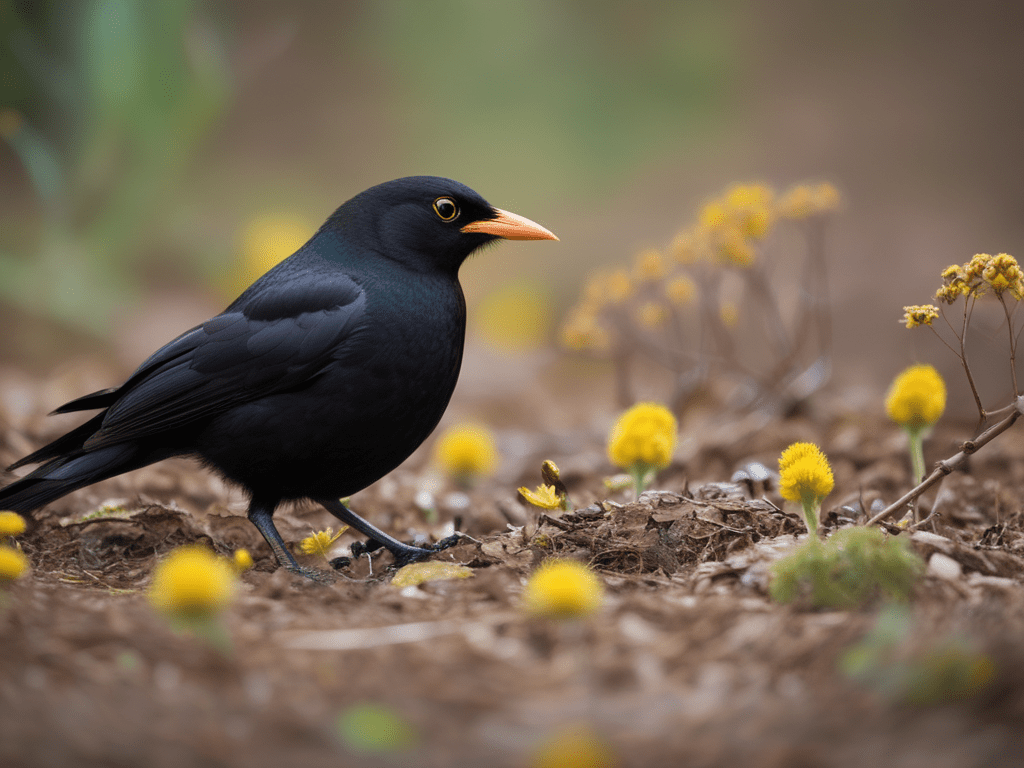
| Male blackbird foraging for worms and insects. |
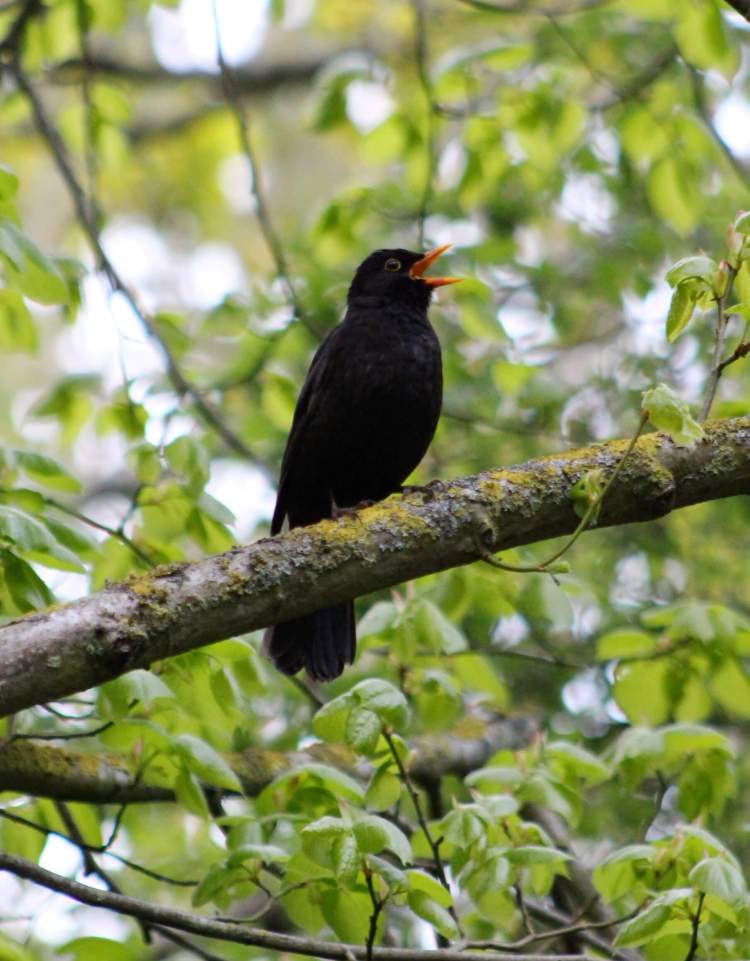
| Male Blackbird singing |
| Blackbird Turdus merula Nicknames – Zulu, Amsel, Woofell. |
| I am a massive fan of British bird species, but there are a few, like robins, pigeons, wood pigeons, starlings, and blackbirds, for which I have a soft spot. Robins and blackbirds, especially, are very friendly species and an absolute delight to have singing and foraging in the garden while I work. I can photograph the blackbirds more freely when I am out for my walks and less ironically when I am in my garden. This is due to their love of dancing in and between the shrubs. The male blackbirds are black with an orangey yellow beak and a yellow eye-ring, whilst females are brown and beige fleckled on their breasts and have brown beaks. Younger birds are more mottled in their colouring. It is from the Thrush family. It is known as the fourth most common bird species in the UK and is famous for its sweet, melodic song. Over the years, l have heard some fabulous songs from the male blackbirds. Although they are generally quieter than the males, female blackbirds can also sing and do so at times during the breeding season. Females and males also participate in sub-singing [sub-song], a form of almost humming or, in human terminology, ‘talking to themselves. This usually occurs in the undergrowth of shrubbery. The male blackbirds are voracious singers who often mimic and imitate sounds they have heard elsewhere – like car alarms, police sirens or bicycle bells – or take snatches from other bird species’ songs and add them to their repertoire. Some males have been known to have upwards of 100 different song snippets in their songs. When I lived in Kingsdown, I had an astonishing male blackbird in the garden who delighted all who listened to his morning songs. Blackbirds are roughly 25cm long with a wingspan of around 35 – 39 cm. Their preferred habitat environments are woodland, farmland, and grasslands, and they are often seen in urban settings. They love dense and overgrown shrubbery, hedgerows, and undergrowth. Residential gardens provide this species with the best nesting and breeding areas. The common blackbird’s diet is omnivorous and includes insects, worms, berries and fruit when they can get to it. From spring through early autumn, they feed primarily on beetles and caterpillars, flies, worms, slugs, snails, and grubs. However, they start eating more berries, grains, and fruit during the autumn and winter months to prepare themselves for the colder times ahead. During the spring months of this year, when I have been gardening, I have often had a female blackbird behaving like a technical gardening surveyor. Each time a slug was uncovered, she would dive in, irrespective of the size, grab it, fly off further into the garden, and proceed to eat the wee beastie, then come back for more! In many respects, they are an ideal gardener’s companion, as they delight in helping you rid your grounds of slugs! Something l would find fascinating, and the habit reminded me of a pair of raccoons l used to keep who would wash every bit of food they had before eating it, was that each time some food was with the blackbird, they would wipe it on the ground. This was to remove any debris or dirt. This also explains why they always seem to have dirty beaks. I have also seen wild cats perform this task. In their case, it is about eliminating ants. Blackbirds have soft bill beaks and like their foods to be smooth, not to damage their beak. In the garden, on the bird table, they would relish the prospect of sunflower hearts, suet pellets, mealworms, other freeze-dried insects, and fruit. They are also quite attracted to foraging in bark chippings. Blackbirds are natural foragers, and I have seen them in bushes, trees, shrubs, and grasses around the base of tree trunks in their daily quest for invertebrates and other goodies. I have also seen groups of blackbirds skirmish around in the winter months, looking for food. Blackbirds have incredible eyesight. “My, what big eyes you have … Mr Blackbird!” I love watching blackbirds forage, especially earthworms. This is because blackbirds have the remarkable ability to sense worms moving beneath the earth. I have often seen blackbirds drinking from and bathing in my water feature, and I know from experience that they are pretty energetic bathers next to the starlings! The male and female blackbird are mates for life. Blackbird’s breeding season begins in early to mid-March and finishes around the end of July, so a good four to five months. Although this is also subject to how the season is behaving, if the season is poor or considered late, the blackbirds will delay the breeding season to April. However, if the season starts milder than average, then the season may begin in late February. Blackbirds who live in residential areas are sometimes known to begin their nesting earlier than woodland birds due to the frequent availability of food. They can usually have two to three clutches of 3 – 5 blue and green-speckled eggs. Blackbirds’ young are ready to fledge around the 14-day point, although some chicks can leave the nest at the ten-day mark. Both parents feed the chicks, who are fast developers. The female blackbird constructs the nest, which takes about two weeks. It is made of straws, dried grasses, twigs, small sticks, and other bits of plant and is built into a bowl shape. Once that is done, the blackbird will further line the nest with finer grasses and soft materials, cementing them down and using mud. Due to its low location on the ground, a substantial nest is required to protect the chicks. Around five million blackbirds are in the UK during the average year; however, this number swells considerably during the winter months and sometimes can exceed fifteen million with birds migrating from Western Europe. The average life expectancy of a blackbird is 3 – 5 years, though the typical age is just over thirty-six months. There are recorded rarities in age; one such recording is over twenty years. Food scarcity is one of the biggest threats to the blackbird, especially during troublesome seasons. |

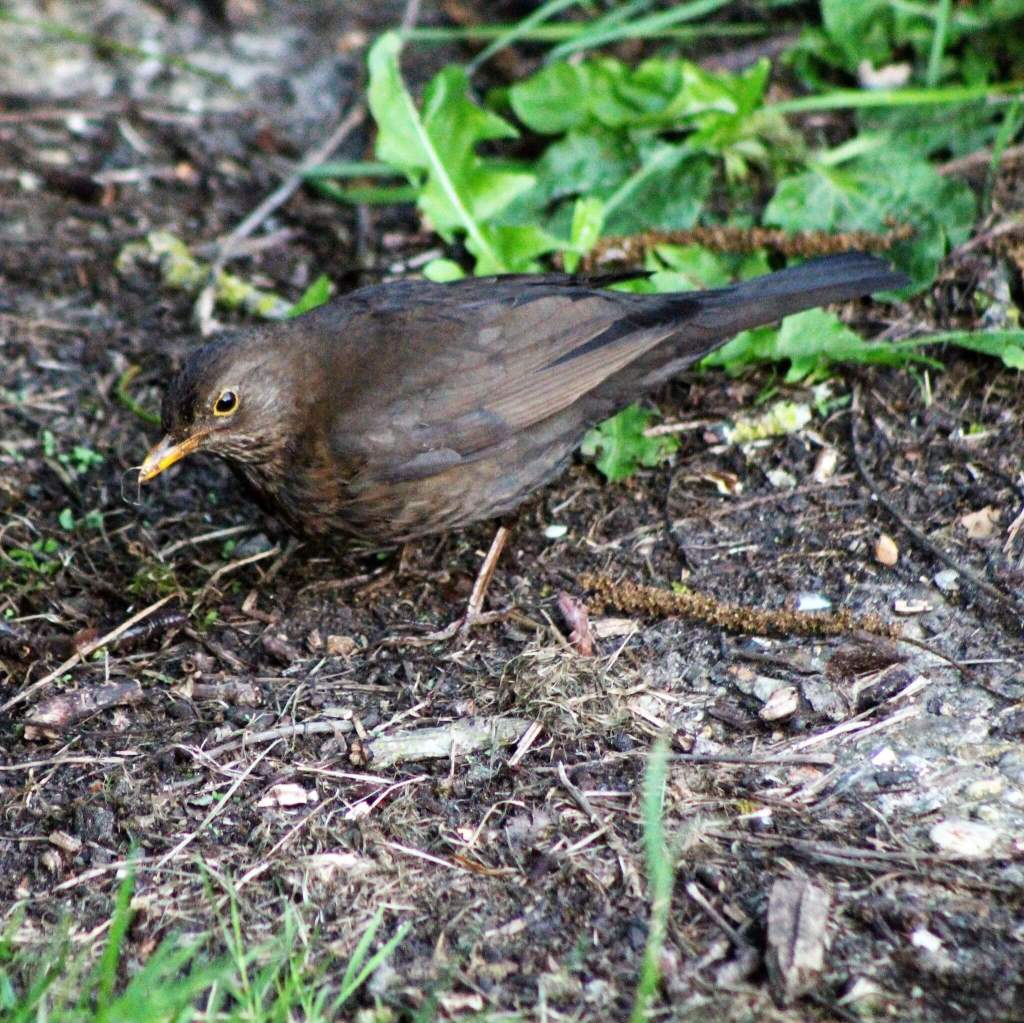
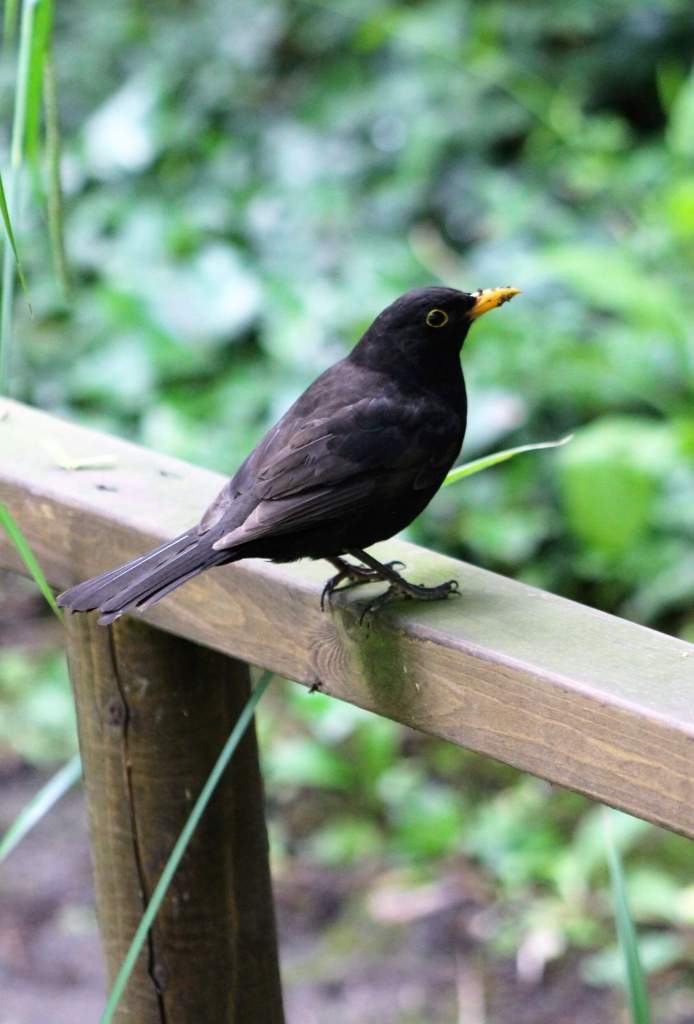
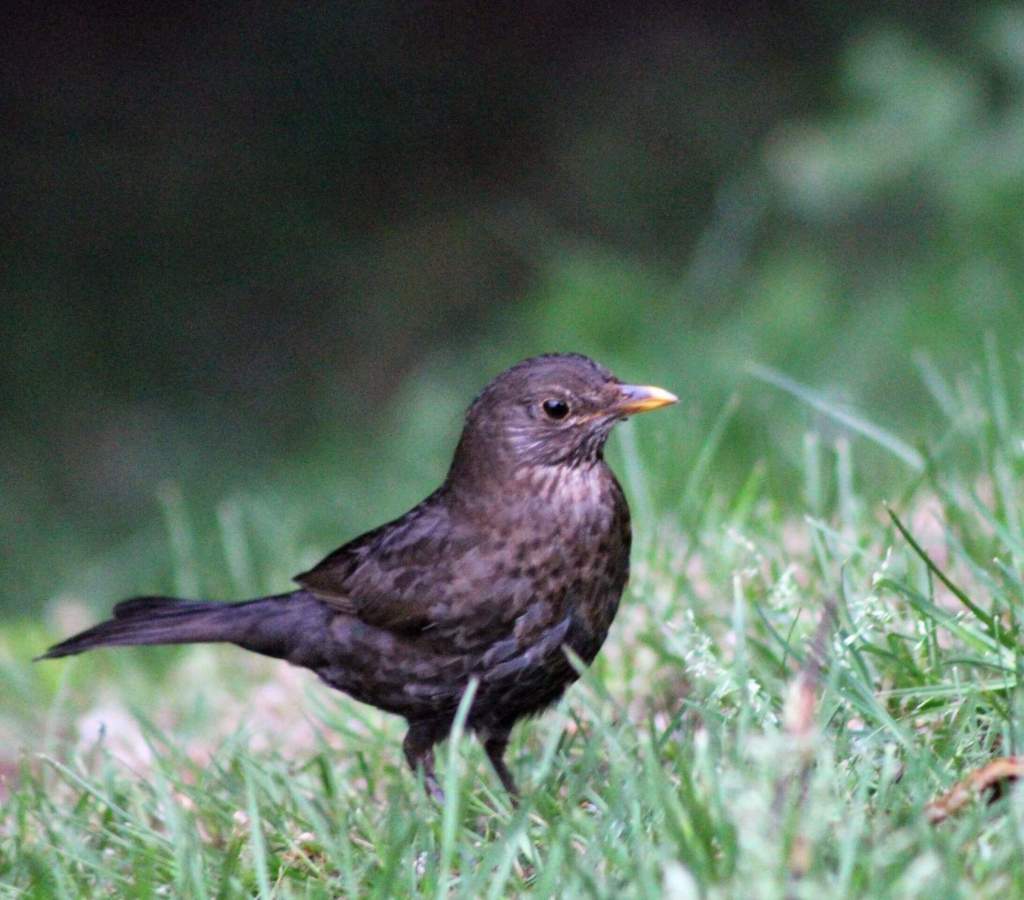
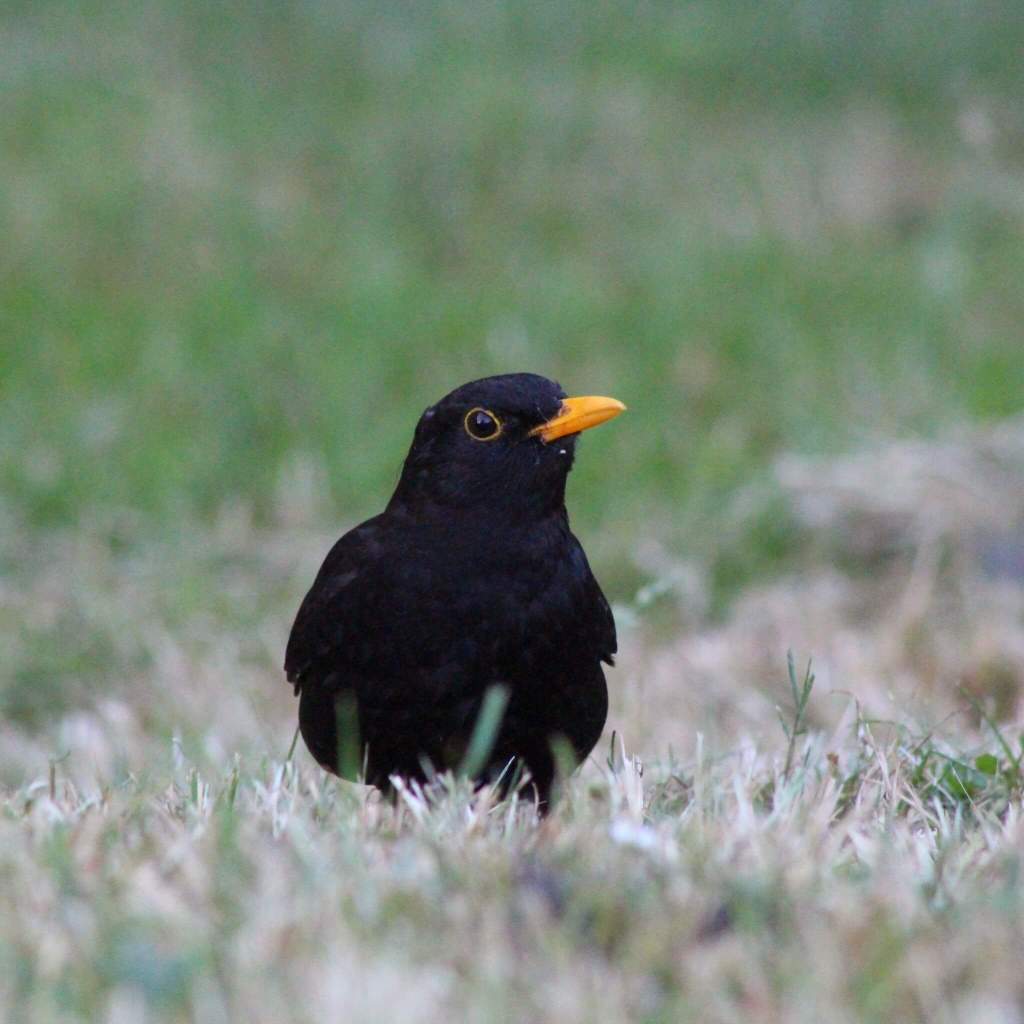
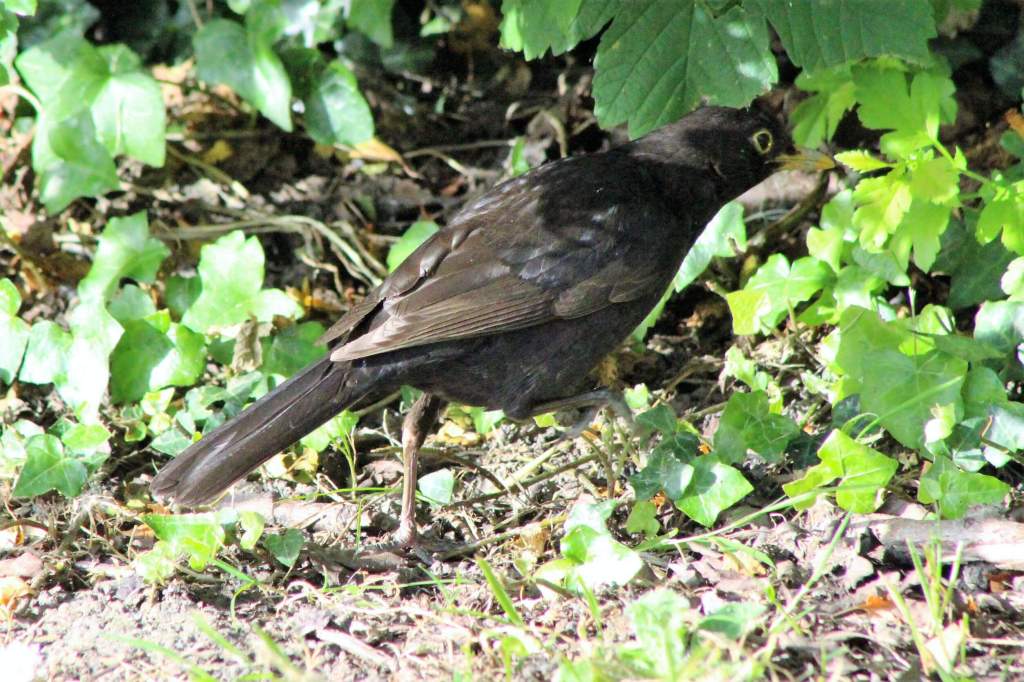

| Male and female blackbirds in various posing, captured around Sandwich perched and foraging positions |

| Whilst female blackbirds are by no means a shy species, the truth is that you tend to see more males especially during the breeding seasons when the majority of these photos were taken. |
 Earthly Comforts
One thought on “The Blackbird (Turdus merula): Facts, Habits, and Nesting Behavior”