
| Red Breasted Robin |
| Erithacus rubecula |

| Robbie in Willow Garden March 2022 |


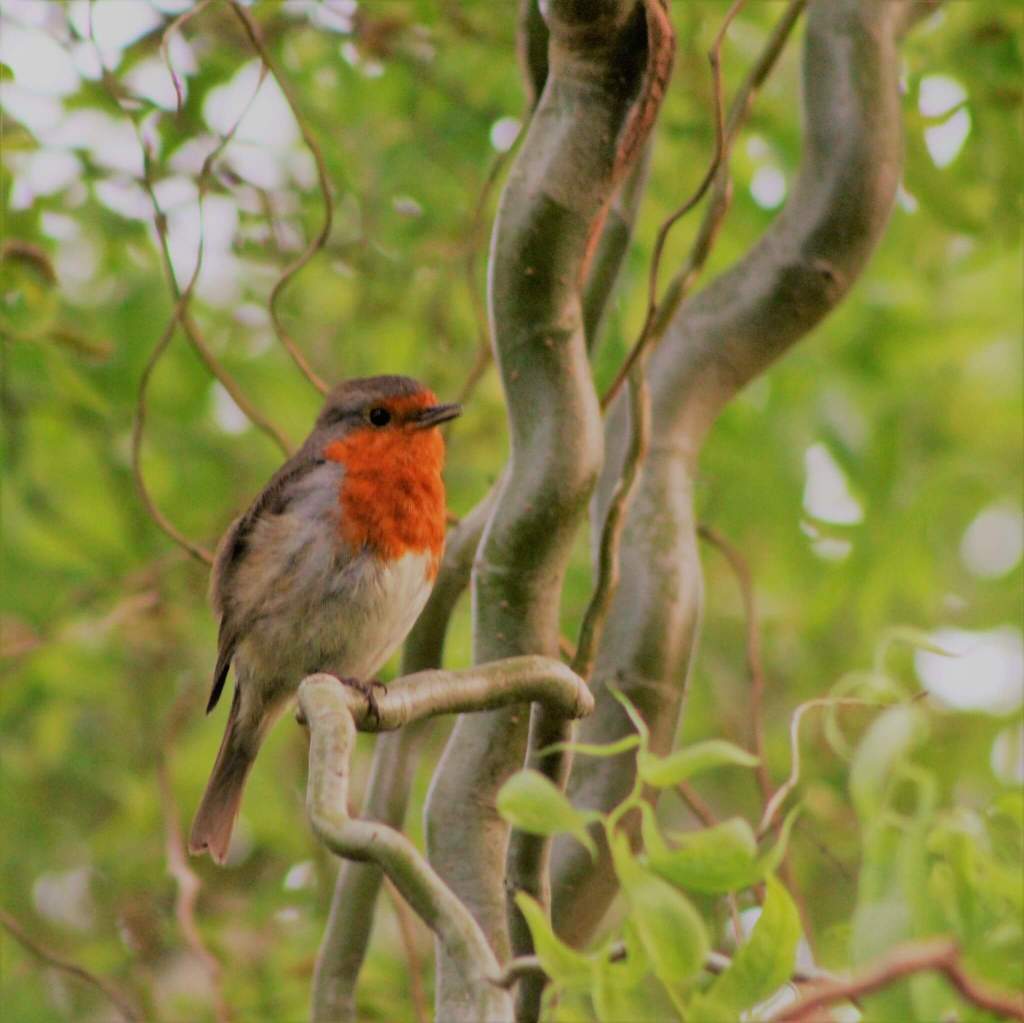
| Early morning singing Robin – May 2022 |


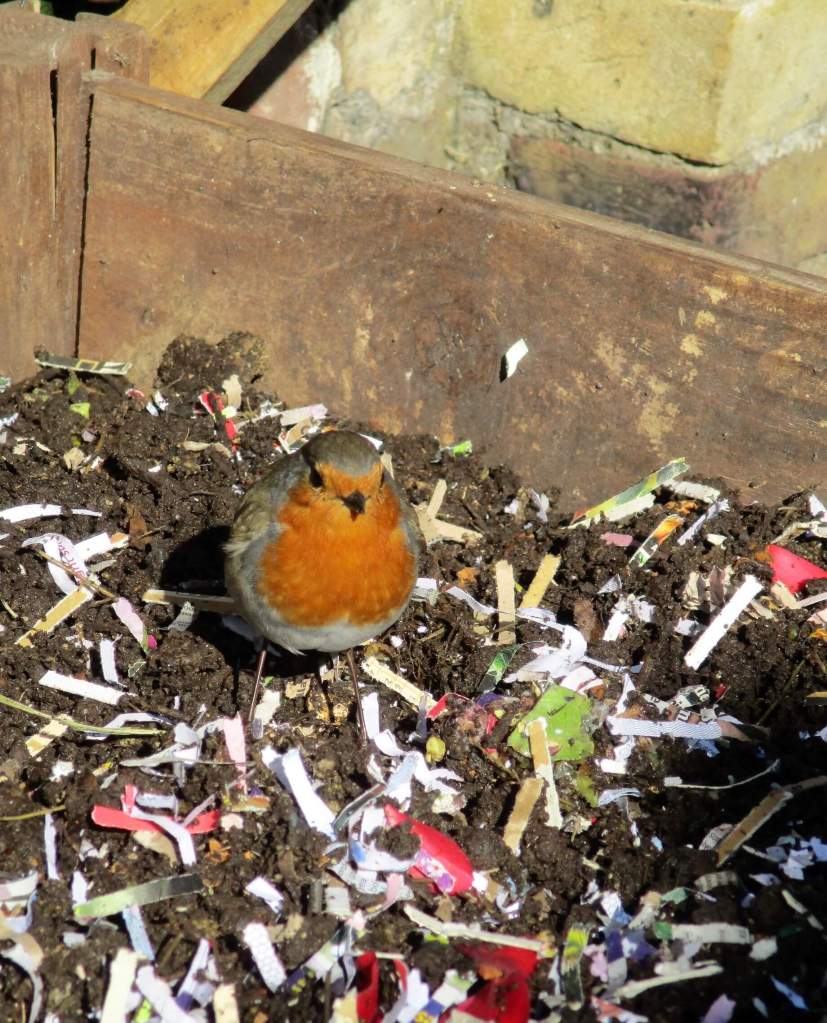

| Robbie used to always assist me with the composting, now he or she assists with the worm farming – June 2022 |

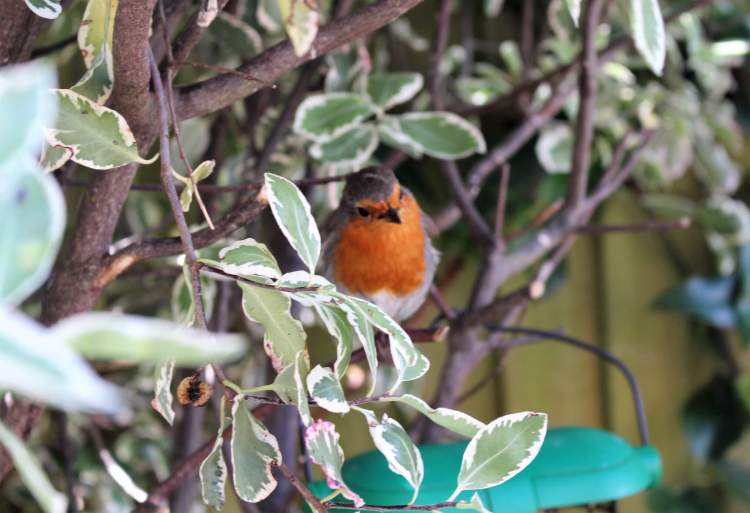
| The ever mindful and curious Robbie! – March 2022 |
| European Robin Erithacus rubecula European Robin, robin, Robin Redbreast, Redbreast |
| Anyone who knows me well will know that l am not a typical ‘twitcher’ – someone obsessed with birds and collecting sightings. Still, they will see that I am, however, someone passionate about animals, wildlife, and nature, and my main focus for many years wasn’t so much avian but mammals. My previous blog to Earthly Comforts was filled with tales of my adventures with animals, and my love for bugs. But those who know me well know that I have a soft spot for certain bird species, including the red-breasted robins. These birds have always held a special place in my heart. For as long as I can remember, I’ve shared my gardening space with a pair of resident robins. Even the new allotment has a couple that has taken to visiting when I am there. Some might even say I’m a ‘redbreast whisperer ‘, as these birds seem to be drawn to me, unaware of the bond we share. When out on my wild walks around Sandwich and at Gazen Salts Nature Reserve, l do manage to capture the odd photograph of this charming and gregariously social bird. Yet, having said that, this species is fiercely territorial and will if needed, fight to the death to protect and defend it. Robins, with their bright red breasts, are considered one of the most favourite garden birds in Britain. Their distinct appearance, often shown on Christmas cards, and their declaration as the country’s National Bird in 1960, make them a unique and fascinating species. The males and the females look mostly the same, although there are slight differences between the two sexes. Juvenile robins are very different from adults. Juveniles have brown breasts and only achieve red ones after their first moulting. Robins, despite their relatively short lifespan, demonstrate remarkable resilience. With a higher mortality rate, they counterbalance it with high reproduction rates. This resilience is evident in the overall UK population, which has increased by more than forty per cent since the 1970s, with an estimated six-plus million territories. Many reasons can cause the death of a species; however, the highest ratios are usually found due to predation, such as hawks or cats. It’s not uncommon for them to fly into obstacles such as windows, succumbs to poisons or other chemicals that gardeners place down for different targets, or even be struck by cars. The most noted cause of death, sadly, is the domestic cat. Severe winters and harsh weather can also damage and harm redbreast populations. Colder weather snaps mean that some bird species will suffer and lose upwards to ten percent of their body weight in their efforts to keep warm. It’s crucial to assist bird species like the robin during colder climates. If they cannot refuel their lost reserves, it can lead to fatalities. This responsibility is why I feed all year round, not just during the breeding season, to ensure that food and water are always available, especially during the winter months. The redbreast is related to thrushes, nightingales and blackbirds. The robin measures around 5″ with a 7-8″ wingspan and an average weight of around 15 – 22g. Robins feed from a varied diet of earthworms and other microbes found in the soil, seeds, fruits, invertebrates, and other bugs and beetles on the wild side. On the domestic side, they will happily consume their all-time favourite mealworms, broken peanuts, crushed suet, tiny seeds in bird mixes, raisins and sunflower hearts. In my garden, I’ve observed that my resident robins are just as excited about feeding on the bird table or the suet coconut hanging in the tree as they are about feeding among the bark chippings in the bed. I’ve also noticed that a robin will come and perch on the side of a compost heap while I turn it over, eagerly waiting for a tasty morsel. This insight into their feeding habits has helped me provide the best possible care for these birds. Robins start their courtship process around January, although the breeding season usually begins at the beginning of March. Like blackbirds, their nests are found near the ground, in hollow logs or log piles, tree trunks, and so on. However, they are also known to build their nests in unusual locations, like pots and abandoned gardening equipment. A neighbour once told me she had a pair nest in a pair of old Wellington boots! The female robin is the nest builder, crafted using old dried leaves, hays, straw, dried grasses, moss and small twigs. When you see your robins collecting nesting materials, this is the sign they are preparing to build the nest. Usually, the red-breasted are one of the first species to begin the nest-building process. They prefer open-fronted nest boxes if you want to attract robins to your gardens. The nest is cup-shaped. Robins are sometimes known to produce up to five broods a year, although the average is around three. Each clutch numbers between four to five eggs. A new egg is laid each day until all are produced. The eggs are in an incubation period of just below a fortnight. Chicks are born naked. Both adults take care of the young. Feather quills begin to display around the three-day mark and will be mostly feathered by day ten. Fledging is around two weeks; flight may start a few days later. The parents will still attend to their young ones once they fly for three weeks. It isn’t unknown for robins to sing at night under lamplight. I have often heard this, especially during late autumn when the clocks fall back an hour. Robins are known to be human social and can become relatively tame. I have found this to be accurate on many occasions, and I will often manage to photograph a Robbie, who is sometimes only a few inches away from the lens. |


| Various Robins photographed around Sandwich during the breeding season 2022 |


We have a regular Robin visitor, he always seems to know when I’m gardening! Is it true that they migrate?
LikeLiked by 1 person
Hi Jaye, many do not move more than a few miles from their home roost, although some of the females choose to holiday abroad for the winter and choose warmer destinations like Spain or Portugal or other European locations. However as our seasons change, it is now suggested many robins might just stay here.
LikeLiked by 1 person
That’s good to know, for they seem more precious to us than other birds… Although, we do love them all…
LikeLiked by 1 person
Yes very much so Jaye 🙂
LikeLike