
Companion planting, a traditional gardening practice, offers various benefits by strategically planting certain plants together to repel or attract insects. It involves trial and error, with herbs being a great starting point. Certain herbs, like basil and chives, offer specific benefits to neighboring plants, while others, like garlic, have broad repelling properties. This practice can enhance diversity and color variety in gardens.
Monthly Archives: Sep 2024
Growing Chives: Benefits for Companion Planting and Insect Attraction

Chives are beneficial for gardens as they attract pollinators and act as companions for many vegetables. They belong to the Allium genus and have insect-repelling properties. However, their scent can attract moths and they are toxic to cats and dogs. When planting alongside chives, avoid spinach, beans, peas, and asparagus.
Natural Pest Control: Discover the Power of Basil for Repelling Flies and Mosquitoes
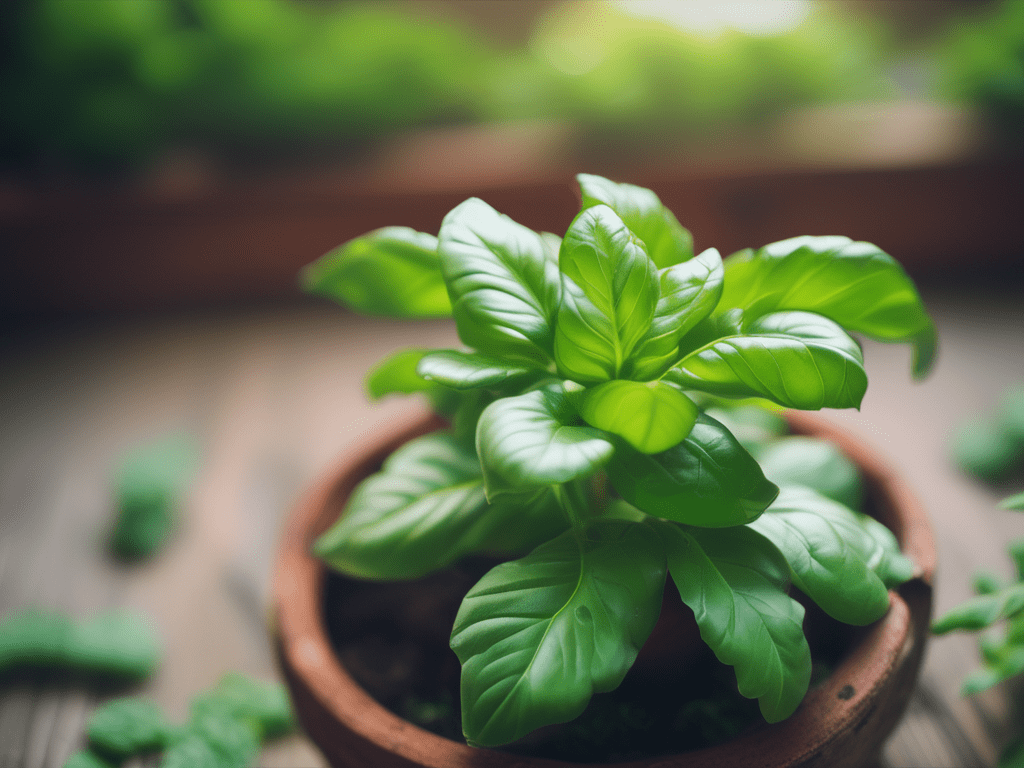
Basil is a versatile herb with pest-repelling qualities. Its potent oils deter flies and mosquitoes, and can even kill mosquito eggs. With a rich history dating back to ancient civilizations, basil is not only great for pesto, but also offers benefits like soothing bug bites. Companion planting it with tomato plants helps keep pests at bay.
Discover the Charm of Blue Bugle: Ajuga Reptans in Gardens

Ajuga reptans, also known as Blue Bugle or bugleweed, is a versatile wildflower that thrives in woodlands and moist environments. While it can be a lovely addition to a garden, its potential invasiveness should be considered. The delicate bugle flowers attract a variety of insects, making them a charming addition to any garden.
Harnessing the Power of Chrysanthemums: Natural Pest Control and Garden Beauty

Chrysanthemums are not only beautiful but also effective at repelling pests. They can repel insects like roaches, ants, ticks, fleas, and more. However, while they can be good companions for vegetables, their insect-repelling compound, Pyrethrum, can be harmful to humans. Planting flowers in the vegetable garden encourages beneficial insects and supports a thriving ecosystem.
 Earthly Comforts