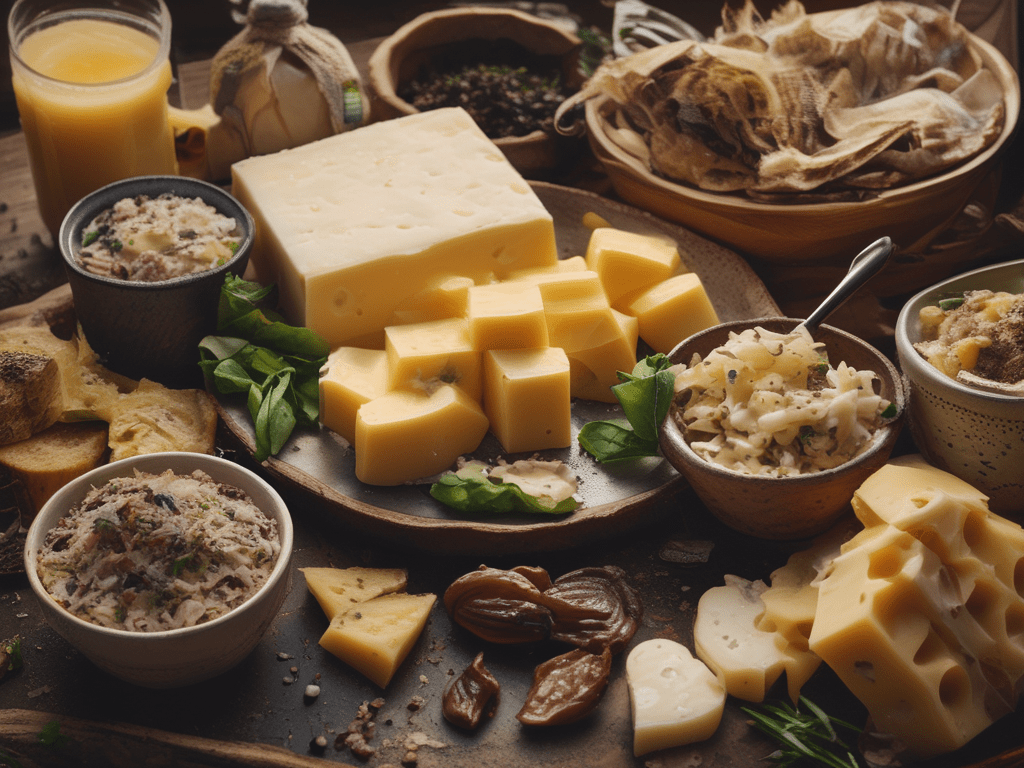
| Even if I don’t have vast amounts of cooking oil waste, I find it easy and rewarding to place small amounts into the bokashi bin system. There, they ferment for 3 – 6 weeks before being added to a compost heap. Any fatty foods are also added to the bokashi composting system, making the process even more efficient. Though I am a pescetarian vegetarian and, therefore, not a meat eater, I do collect food waste from my neighbours who are. Typical fatty food wastes are cuts of meat and other meat products, including pies, butter and lards, cheeses, popcorn, and so on. It’s crucial to be aware of the potential harm caused by improper disposal methods. Draining used vegetable oils and cooking fats down the sink or tipping them down the outside drain can lead to blockages in sewer pipes, causing environmental damage. One method is to place it in a sealed container and dispose of it with your regular trash and rubbish. Depending on how much you have, you may have to speak with your local council and organise a professional collection. If you choose to decompose it and you don’t have access to the Bokashi composting system, there are several ways to add it to your heaps and piles—and in simple terms, this is—slowly and over time. Disposing of a large quantity in the compost heap in one tip-off causes problems, not just from pests and other rodents attracted to the smell but also from the angle of damaging the actual composting process itself. The composting process is a natural way of recycling organic matter, such as food scraps and yard waste, into a rich soil amendment. The oils cover the rotting materials and prevent the decomposition process from activating correctly, displacing water and moisture present and restricting airflow. The oils will produce an anaerobic compost [no air] instead of the more favourable aerobic process [with air]. The anaerobic process slows down the decomposition and is then responsible for creating stenches and unpleasant smells. It’ll continue the process but slow it down considerably, especially if it is an unturned pile. If oily materials are added in one lot to a cold composting heap, the pile will not do what it should to break down properly. You could soak the oil in sawdust, coffee grounds or shredded paper first and then, over time, add that material to your compost heap. Failing that, the other option is to add a little bit of the naked oil directly to your hot compost, ensuring it is spread evenly throughout the pile, and turn it regularly to ensure that the oil doesn’t adhere to any pockets of compost and prevent the process. Disposing of oily products and fatty foods isn’t impossible, but care and responsible attention are needed. If you have many oils, consider introducing the bokashi system to your composting set-up. The bokashi system is particularly effective for breaking down these types of waste, reducing odors, and speeding up the composting process. |
Effective Methods for Recycling and Composting Oily Waste


Thank you for sharing this informative post, Rory.
LikeLiked by 1 person
You are most welcome Betty – wishing you and Bud a relaxing weekend ahead 🙂
LikeLiked by 1 person
Thank you, Rory. Wishing you and Suze the same. 😊
LikeLiked by 1 person
Thank you for this information, Rory. We put used vegetable oils in a container and when it is full dispose of it in the trash. That way we avoid clogged drains. Have a great day, my friend!
LikeLiked by 1 person
Yes, oils are indeed notorius for the clogging of drains and yet still so many homeowners don’t heed the warnings and tip oil down the kitchen sink.
LikeLiked by 1 person
Hopefully, when they have to pay a plumber to take care of the clog, they will learn what not to do.
LikeLiked by 1 person