
| Harvest Mouse |
| Micromys minutus |
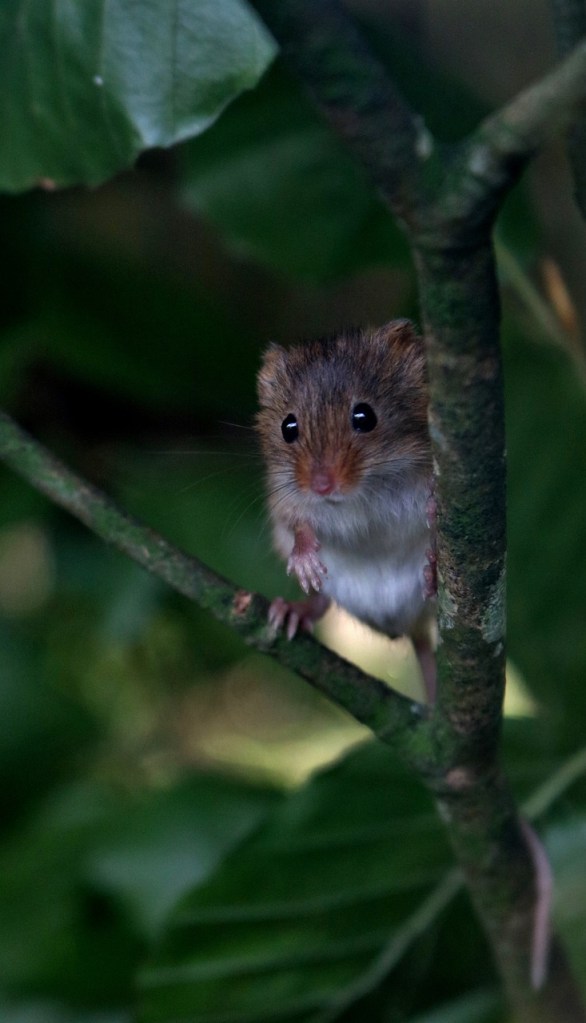
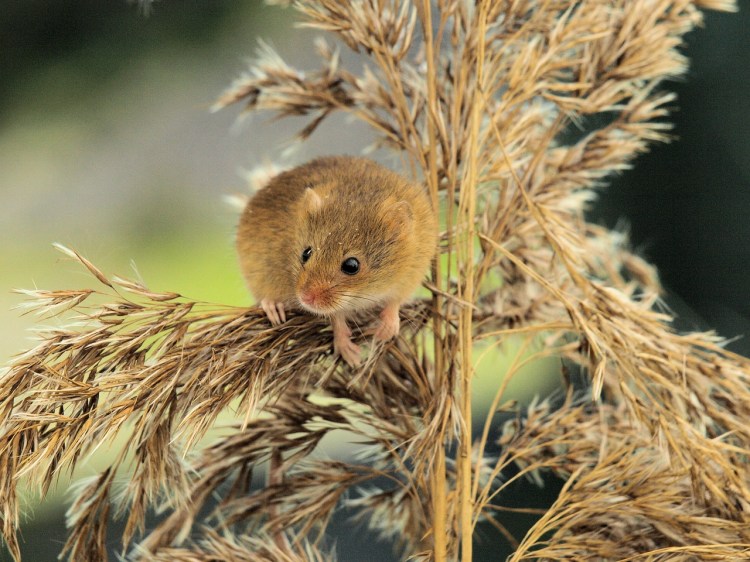
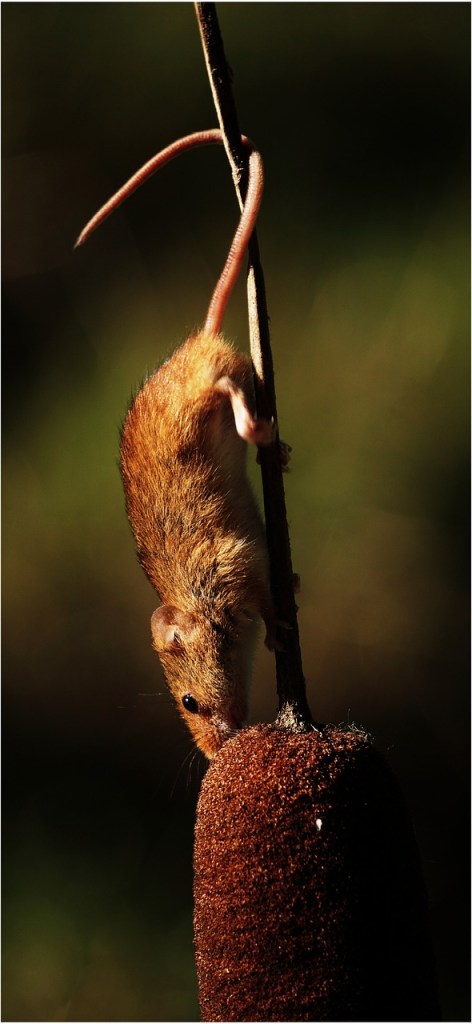
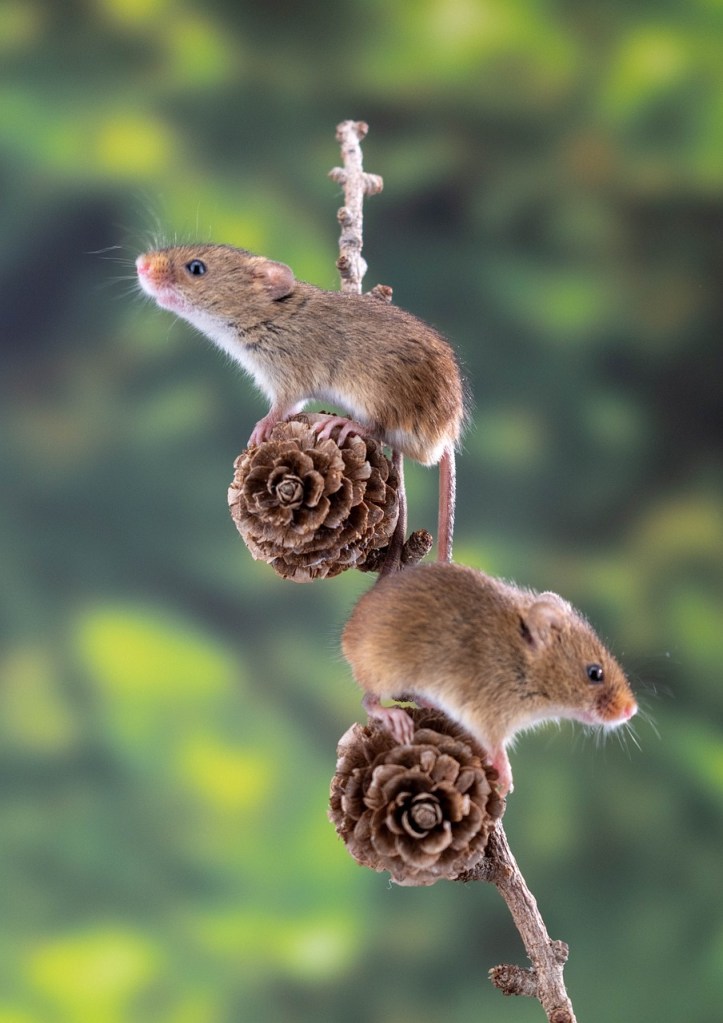
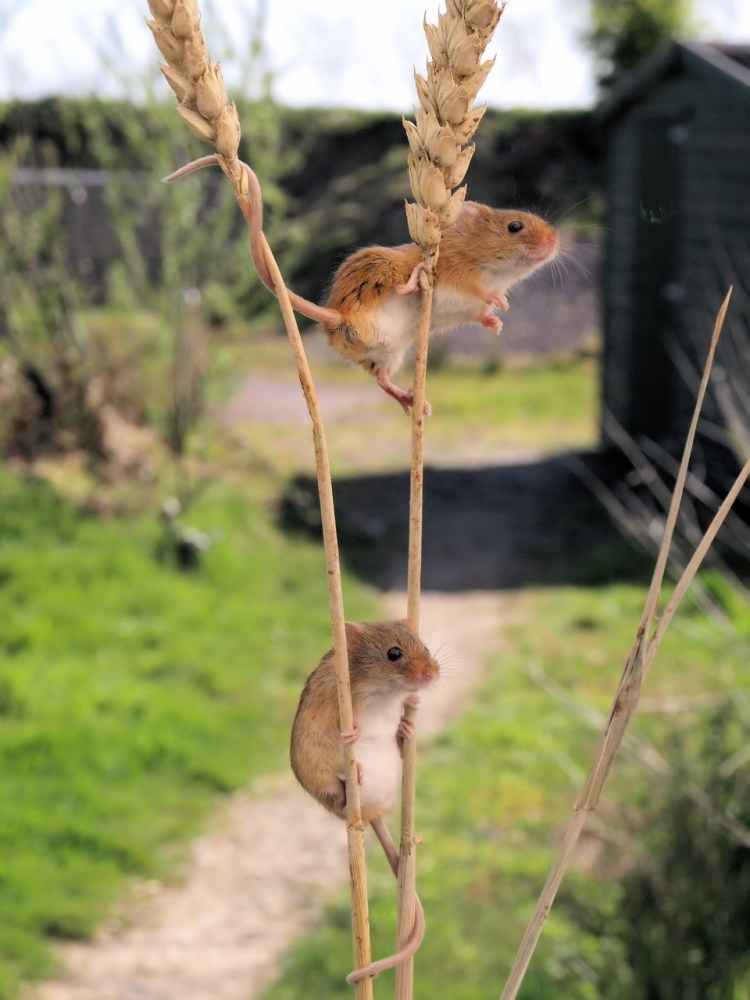
| Years ago, I used to keep this mouse species amongst many others. They are incredibly skittish, nervous, shy, and acutely sensitive to sounds they can hear up to seven metres away, but they are a beautiful species of British mouse. I see mice when l am down at the allotment or out about in the gardens, as well as the occasional mouse or three here in the house. The species l mostly see are house mice [Mus musculus], wood aka field mice [ Apodemus sylvaticus] and yellow-necked mice [Apodemus flavicoois]. The UK has six different mouse species; five are native to Britain, and the sixth – the edible dormouse is not. The native species are house mice, wood mice, yellow-necked mice, harvest mice and hazel dormice. While l will, in time, write on the others alongside other British rodents, this article is about the smallest of our mouse species. The Harvest Mouse – Micromys minutus – is a species that is now down under conservation observation at Gazen Salts near the stream, where breeding pairs were discovered during 2023 nesting in the long and tall grasses where they make round ball-like nests of tightly weaved grass [no more significant than 10 cm across]which are about two feet off the ground. Litter sizes are between three and six young. This was a significant find for the Nature Reserve, given the alarming decline of the Harvest Mouse species. The changing agricultural and farming management methods have led to habitat destruction, posing a severe threat to their survival. They are listed as a species under BAP. [Biodiversity Action Plan] Other threats to the species are harsh winters, which cause food loss and pesticides. The Harvest Mouse prefers to nest in a variety of habitats, including grasslands, reed beds, hedges, and woodland edges. They are particularly fond of areas with dense vegetation, such as tall grasses and shrubs, which provide them with ample hiding spots and protection from predators. The Harvest Mouse is a small, rounded species with a distinctive yellow-golden color and a white underbelly. They have small eyes and furry ears, which help them detect potential threats in their environment. They are about 7 cm or just under three inches long, not including their prehensile [grasping]tail, which measures an additional six cm. Despite their small size, they are agile climbers and can navigate through dense vegetation with ease. The Harvest Mice have a primarily vegetarian diet, which mainly contains fruits, berries, seeds, and small invertebrates. It isn’t uncommon for them to consume mosses, fungi, or small roots. They are a short-lived species with a life span of around one and a half years. They are a predatory meal for weasels and stoats, hawks and crows, owls, foxes, and cats. Harvest Mice are agile and active climbers and feed usually around dusk and dawn. The Harvest Mouse earned its name from the Reverend Gilbert White, a renowned naturalist who discovered them in the cornfields surrounding his house and the village of Selborne in 1767. This discovery was significant as it revealed the species’ ability to adapt to human-altered landscapes, highlighting the intricate relationship between wildlife and human habitats. |
 Earthly Comforts
They are so cute! Am I right in thinking these tiny mice are not the invasive variety, Rory?
LikeLiked by 1 person
Hey Betty 🙂 Yes, Harvest Mice are under conservation here opposed to the normal house mouse who is a little more abundant in quantity 🙂
LikeLiked by 1 person
😊
LikeLiked by 1 person