
| Yellow Necked Mouse |
| Apodemus flavicollis |
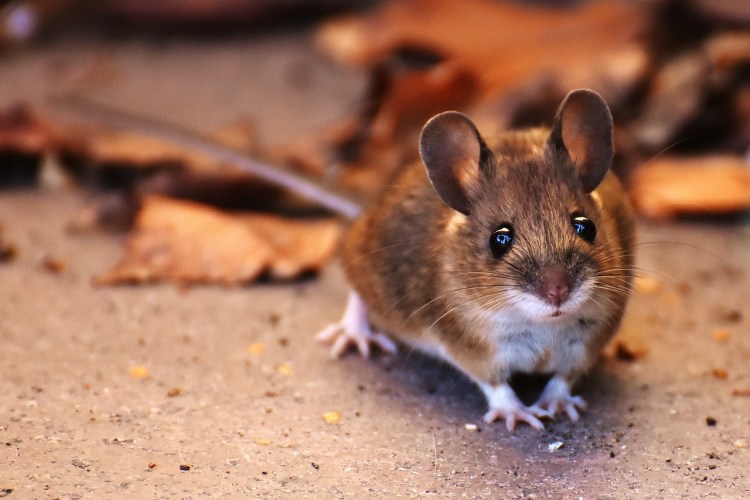
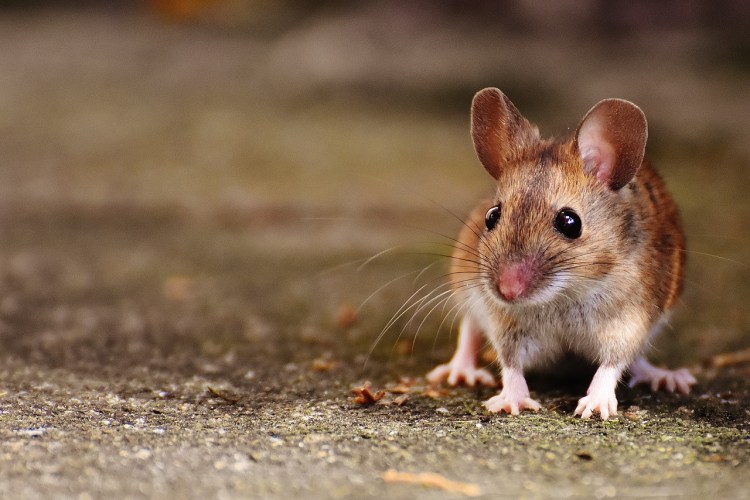
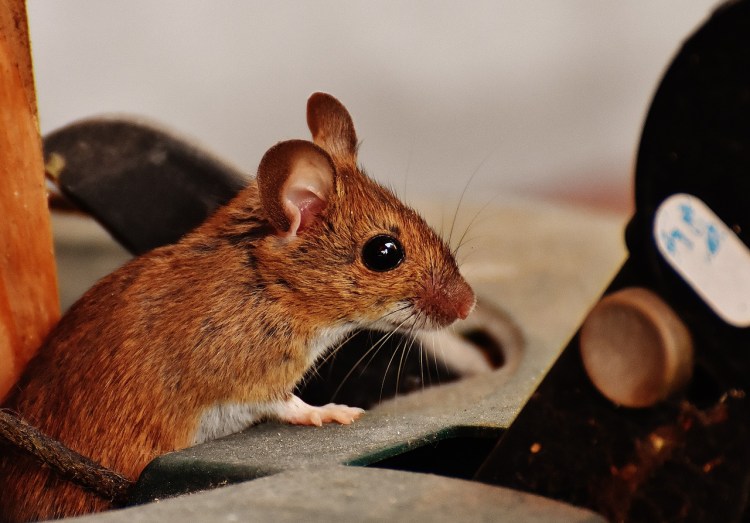
| Not long ago, I wrote about the Harvest Mouse, a field mouse under conservation in England. A few of these mice were discovered at Gazen Salts Nature Reserve earlier this year. They are a gorgeous mouse species—more if you like rodents, less if you don’t. I share my living quarters with standard house mice – Mus musculus, as do quite a few old houses in the UK. You can also find two other varieties of mice in my garden alongside the ordinary house mouse: the yellow-necked [Apodemus flavicollis] and the wood mouse – the latter is also known as the long-tailed field mouse. [Apodemus sylvaticus]. Both species are lovely to look upon; l have found yellow-necked mice friendlier than wood mice. Many people mistakenly refer to both the yellow-necked and the wood mouse as ‘wood mice ‘. However, the yellow-necked mouse is generally larger, which may explain its friendlier disposition towards humans. Despite their differences, these two species are closely related and were only recognized as distinct species in the late 1800s. The yellow-necked mouse is also known as the yellow-necked wood or field mouse. All three species are indeed on the allotment and living in the dead hedge. The woodmouse lives at the top layer, the house mouse at the bottom, whilst the yellow-necked is mainly seen in the middle! I did have wood mice at one point living in one of the worm farms; however, since raising the height of the farm left, it was noted it had no other residents. Male yellow-necked mice, in particular, have been observed living on the top of compost bins, nesting at the very top of the compost. They show signs of frustration when the bins are opened, yet they return every time. This behavior suggests a certain level of tolerance and adaptability to human presence. It also highlights the species’ preference for warm and dry nesting sites with a regular insect source, as well as its social nature. They nest there because it is warm and dry, and a regular insect source is available. They are a social mouse species, and it isn’t uncommon for me to lift a lid and see up to three single mouse nests in each compartment. The yellow-necked mouse is characterized by its lighter brown coat, white underparts, and a distinctive yellow band of fur around its neck, which gives it its name. It has a long tail, large eyes, and ears, which are adaptations that help it detect predators. These physical characteristics, combined with its social behavior and adaptability, make the yellow-necked mouse a fascinating species to study. It has been recorded that this species can leap high to evade capture and, like a gecko, shed its tail skin to avoid attack. Sadly, once free, it’ll not grow back. They measure the tail excluded between three to five inches long, pending age, and with the tail, the overall nose-to-tail tip length is close to eight to nine inches. Males are bigger. Weight-wise, it is between 25 and 50g. The yellow-necked mouse is a testament to adaptability. While its natural habitat is mature, rough, unkempt, and overgrown woodlands, hedgerows, and orchards, it has shown the ability to thrive in various environments. It can be found in suburban cottages or wildlife gardens, coal sheds, and wooden outhouses, proving its resilience and survival instincts. They favour living beneath fallen or within hollow logs, dead wood and extensive tree root systems where they will have burrowed a hollow for nesting and created an elaborate tunnel system to support quick escape routes in the case of predators. They are not opposed to nesting within abandoned bird nest boxes. The yellow-necked mouse is mainly native to the Midlands and South East England. However, it has been observed that climate changes, including warmer and extended spring to autumn seasons, have altered the species’ behaviors. As a result, the yellow-necked mouse can now be found in other parts of Wales. This expansion of its range is a clear example of how species adapt to changing environments. The yellow-necked mouse is also found throughout Western Europe, heading toward Turkey, Syria, Iran, and Israel. The yellow-necked mouse is a nocturnal species, agile climber, and efficient forager. It can be found both in trees and on the ground, adapting its foraging strategies to the available resources. It is not uncommon for the yellow-necked mouse to create earthen food larders and caches, which are often found in holes and earthen chambers away from the main nesting area. These larders and caches play a crucial role in the species’ survival, especially during periods of food scarcity. The yellow-necked mouse has a varied diet, feeding on wildflowers, flower buds, young plant shoots, fallen and fresh budding fruits, insects, spiders, nuts, and seeds. This diverse diet allows it to adapt to different environments and play a crucial role in seed dispersal and insect control. Yellow-necked mice have a high reproductive rate, with females giving birth to litters of four to twelve young, typically four to eight, three to four times a year between March and October. The peak breeding season is in July and August. The nest, constructed from moss, dried leaves, broken twigs, and grass, provides a safe and warm environment for the young. Despite the fast production of young people, the average lifespan is around thirteen to eighteen months if they are lucky; failing that, the average is eight to ten months, especially if there have been harsh winters. |

 Earthly Comforts
One thought on “Yellow-Necked Mouse (Apodemus flavicollis) Species and Characteristics”