
| Foxglove |




| Foxglove |
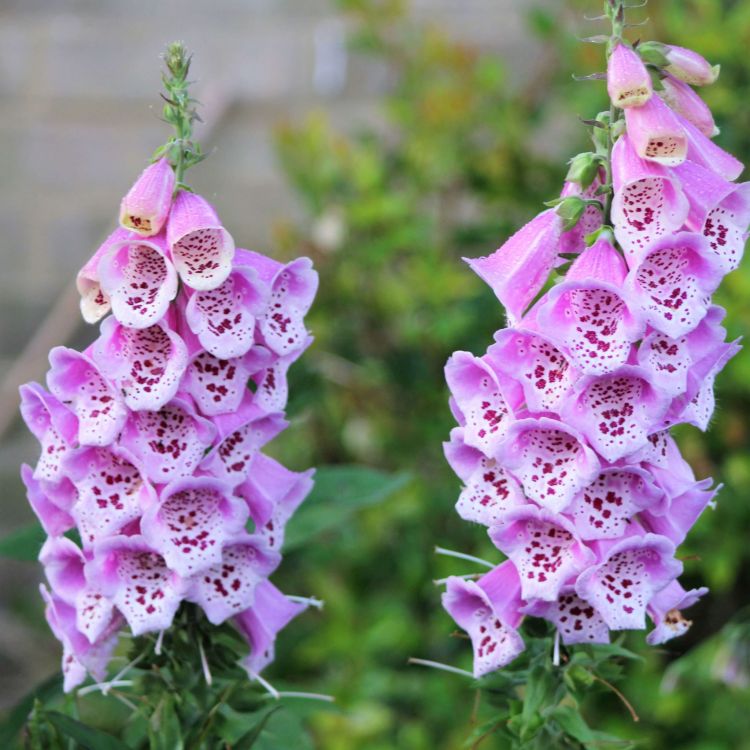
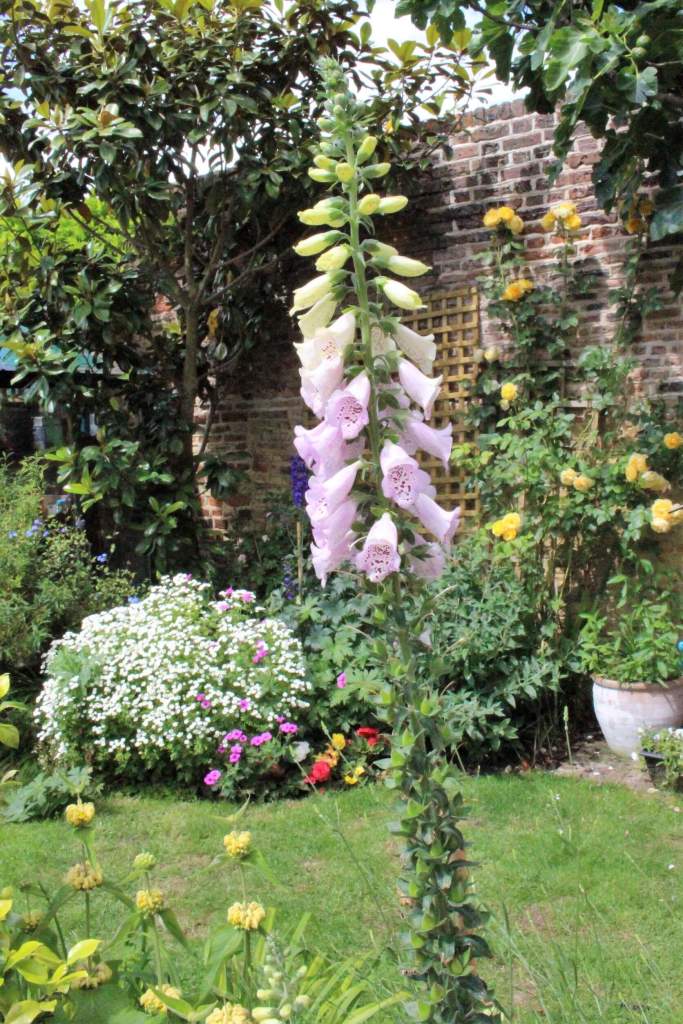
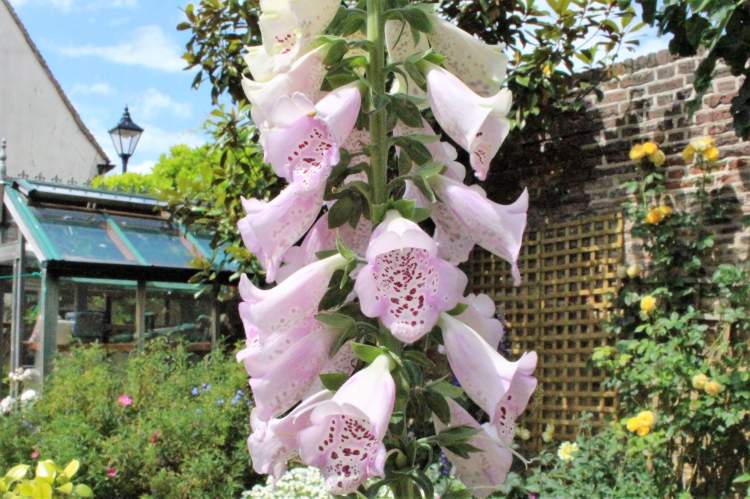
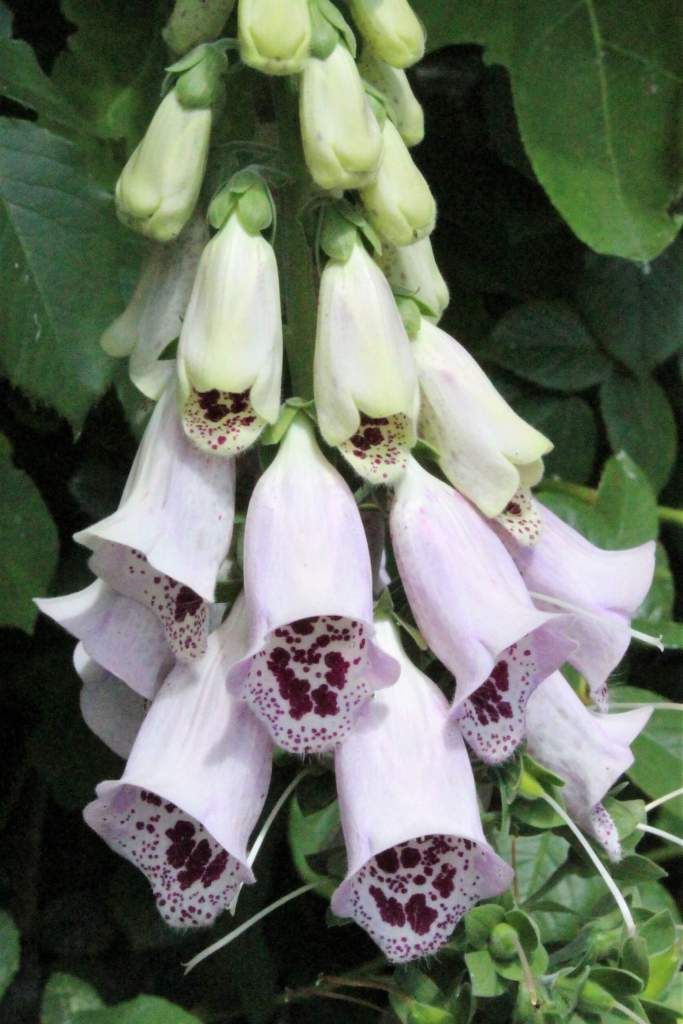
| Foxgloves, with their stunning beauty, have always caught my eye during my walks around Sandwich. They are a popular choice down on the allotments, and I’m eagerly looking forward to having some on our plot this year or next. Once we’ve sorted the vegetable plans and routines, I can’t wait to turn my attention to these enchanting flowers. I plan to sow some into one of the gardens I am working on, a wildlife garden that’s become too wild and needs taming. Once it has been returned to a manageable garden, I will look at establishing foxgloves on the grounds, although I will probably have to work on the soil. Foxglove – Digitalis, a fascinating biennial plant, is native to Europe, Africa, and Asia. It’s a self-seeder, a trait that sets it apart, allowing it to be easily grown from seed or by simply shaking a flower stem over the desired area. Some varieties of foxglove are perennial, living longer than two years. This plant produces exquisite foliage – the leaves are oval and hairy – in its first year, blossoms in its second year, and displays a stunning array of flowers in a beautiful selection of colours: white, pink, purple, lavender, yellow and red. The common foxglove is usually purple, pink or white. The flowers measure two to three inches long and are usually speckled by darker spots on the inside. The stalks can reach a height of between six to eight feet. Bumblebees and butterflies love them for the pollen-laden flowers, but so do hummingbirds in the regions where they are native. In the UK, they flower from June to September and are usually seen in wildlife gardens as much as in ornamental cottage gardens, but also woodlands, roadsides, and hedgerows. Foxgloves can look similar to comfrey when not in flower and are sometimes confused as such. Both of these varieties can grow wild. Foxgloves, with a rich history dating back to Anglo-Saxon times, have an intriguing etymology. The ‘glove’ part of their name is attributed to the flower bells resembling the ends of a glove’s fingers. The ‘fox’ part is a mystery, with one theory suggesting that the Anglo-Saxons called them ‘foxes glofa ‘, meaning the gloves of foxes. Well, it’s as much of a mystery as the X-Files, but folklore suggests foxes were thought to wear them on their paws to be silent when hunting. Other thoughts are down to the fact that many foxgloves seem to grow near fox earths. It’s important to note that every part of the foxglove plant is poisonous, so caution should be taken where it is planted. Despite their beauty, it’s crucial to handle them with care and keep them away from children and pets. Foxgloves thrive in acidic soil that is well-drained, rich in organic matter, and moist. They prefer full sun but can tolerate dappled sun and marginally shaded areas. However, they don’t do well in darkened areas, which can hinder their growth. |
 Earthly Comforts
One thought on “Foxglove: Stunning Biennial Plant and Intriguing History Unveiled”