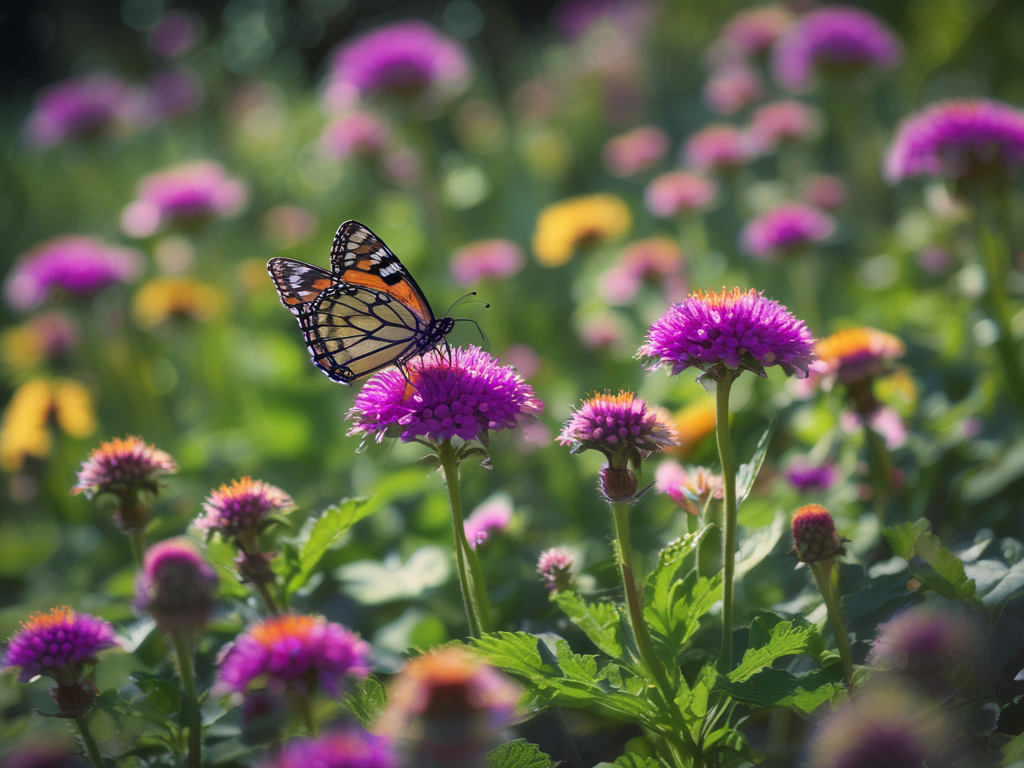

| How can we encourage more wildlife to our green spaces? |
| When people read, see, or hear stories about the state of our planet and how we all need to do more, many think of the more significant issues such as climate crisis, sewage leakages, ocean acidification, ecological breakdown, biodiversity loss, damage to our food systems, waste management concerns, and overpopulations. The list goes on and is seemingly endless, to the point that some people don’t want to know and stick their heads in the sand. There is no denying that our planet faces enormous problems, which can be depressing. People think of all the species we lose every year, and when they do, they also at times only think in terms of large animal species, and yet whilst those losses are significant, so too and more worrying are the losses of species closer to our homes. Insects, for example, are facing a rapid decline due to habitat loss, pesticide use, and climate change. This decline is not only a threat to the insects themselves but also to the entire ecosystem that relies on them. The often-forgotten smaller species like our insects are overlooked, yet they play a crucial role in breaking down the world’s waste. Without insects, one of our most significant impacts would be no pollination. We as a people wouldn’t disappear, but many of the ingredients and foods we take for granted today wouldn’t be on the shelves anymore. We would be looking at a massive food chain collapse, as insects are a vital food source for many other species. If that isn’t a concern, perhaps the loss of our bird and many of our amphibian and reptile species might raise eyebrows. We are all part of this intricate web of life, and the loss of one species can have far-reaching consequences for all. You might be somewhat shocked to learn that for every person on the planet, there are well over one billion insects per person. Insects pollinate, clean, and provide valuable products to us, but they also feed other species; they perform valuable recycling processing services and do their bit regarding composting. For instance, bees are responsible for pollinating a significant portion of our food crops, including fruits, vegetables, and nuts. In short, our insects help to keep the balance of our ecosystem. They are not just a part of our environment, but an integral part of our daily lives, and their preservation is crucial for our survival. It surprises me at times how very few people list the plight of our insects as a significant planetary loss. Our insects are on the brink of extinction. Our birds need insects just like we do to survive. They, too, are juggling survival. This urgency should make us all feel a sense of concern and prompt us to act. Okay, so none of us or at least very few of us, have jungles or rainforests sitting out the back of the house; however, a majority of us do have access to something green – be this a park or a neighbour’s garden or yard, or our gardens, some plants or pots on a strip or a balcony, maybe an allotment or a scrap of land… whatever it is we do have, we can make a difference, even if just something small. Your actions, no matter how small, can have a significant impact on the preservation of insects and the balance of our ecosystem. This empowerment should inspire you to take action. As I like to say, you are never too small to make a difference; think of the solitary mosquito buzzing around you at night in the quiet of your bedroom. It’s just one insect, but it’s a reminder of the intricate web of life we’re all a part of. Each of us, in our own way, can contribute to the preservation of this web. I’m just saying! There are things you can do to help the planet with a small amount of research. After all, Google and other search engines are our friends, but so are voluntary and community nature and gardening groups, online forums and blogs, books, and magazines. We live in a world filled with data for our fingertips to explore and discover, so there are very few reasons for a person not to be able to find something relevant to their eco and environmental needs. Whether you’re interested in creating an insect-friendly garden or learning about sustainable gardening practices, there are resources available to guide you. Below are some ideas for you – feel free to research them further for your requirements … |
| If you have the space in your ornamental beds or pots in the garden, on the balcony, or with your vegetables, consider sowing and planting some herbs—chives, basil, mint, lavender, borage, hyssop, sage, fennel, beebalm, parsley, yarrow, buddleia, and comfrey, to name a few, but there are many. Consider building a bug hotel, a bee mansion, or a dead hedge. These structures serve as habitats for beneficial insects and pollinators, contributing to the biodiversity of your garden. Here’s how to build a pile or a leaf mulch pile. Even if you could make a pile of old and new logs, branches and twigs, fall leaves, a few stones and a couple of rocks, you could make an area quite appealing to hedgehogs and amphibians. These creatures thrive in such environments due to the shelter and food they provide. If growing insect-attracting herbs is not your thing, but you love flowers, then take a moment to observe your garden or green areas. Notice how many butterflies and bees visit every year. Do they cover your flowers and shrubs, or are the numbers tiny? The joy of seeing these creatures in your own backyard can be truly rewarding. If you answer these questions with a NO, your garden or growing area needs to be more appealing. If your answer is YES, well done, and keep it up. There are so many flowers and wildflowers pollinator and insect-friendly available to gardeners and growers alike – a few examples – lavender, pussy willow, mahonia, honeysuckle, ivy, hawthorn, crocus, sedum, wallflower, snowdrop, yarrow, bugloss, deadnettle, bluebell, mallow, sunflower, coneflower, aster, salvia, zinnia, dahlia as you can see, this too as a list is quite exhaustive. If you have a small strip of lawn that you could set aside for growing a mini-meadow for wildflowers and not mowing your grass as quickly each season, the pollinators and insects, small mammals and birds will love you for it. Did you know that well over forty varieties of grasses and flowers can thrive and live harmoniously together in just one square metre of grassland? So many gardeners rush every spring, summer, and autumn to have pristine gardens that the lawns must be mown to within an inch of their lives. All the flowers and shrubs must be pruned down and cut back, and all the leaves must be gathered up and taken away. Yet, if those same gardeners allowed a little delay, it would and could make the most significant difference to the environment’s biodiversity. Delaying these activities allows plants to flower and set seed, providing food and habitat for wildlife. I am NOT saying or encouraging gardeners not to bother having tidy gardens; l am simply pointing out that every garden or green area could efficiently allocate a tiny sliver of land to be left alone or the occasional pot or two forgotten about for one or two seasons and just left to nature. It’s about finding a balance between tidiness and biodiversity. Insects, birds, rodents, mammals, reptiles, and amphibians need very little, but they appreciate the smallest differences gardeners, growers, and composters can dedicate to them. Your small actions can have a big impact on biodiversity, making you a crucial part of the ecosystem. If you have the space available, then be the difference to the planet and your native wildlife. By making small changes in your gardening practices, you can create a haven for local wildlife, contributing to the conservation of biodiversity in your area. |
 Earthly Comforts
Great article, Rory! Thank you for sharing. 😊
LikeLiked by 1 person
Pleasure Betty, many thanks – regards to you and Bud 🙂
LikeLike