I received an email last week asking what I thought were the 15 most essential herbs for the kitchen. I love herbs almost as much as I love weeds, so I am happy to list what I think are essential herbs.
First, I am not an expert gardener. I have been gardening intermittently for the last twenty or so years. I grow more herbs than other plant types. I am also fond of weeds and have spent much time studying both.
Some excellent herbs can work wonders when in the kitchen. Another question is about the free availability of cheap herbs from supermarkets. What is the point of growing your own for the table?
This answer is threefold, but it all centres on finances and management.
Grow your herbs like you would grow your vegetables. After all, you save money and produce something of quality over something of lesser quality.
Growing your own is more reliable and convenient. It enables you to have a surplus quantity from one plant, which can continue to be reaped as a harvest over something that might only have a few pickings before it is discarded and a new plant purchased.
Growing your herbs organically means you are in more control of what you produce regarding chemical inclusion or not.
One of the first things you would need to identify is what herbs you use—be this in dried or packet form or if you buy a lot of potted herbs from the store. I have a lot of potted herbs as opposed to bedded herbs, but I do have some of the latter. I only grow what I tend to use in cooking or that I know acts as a great attractor for pollinators.
There are many, many herbs to select from, but what you need most for most will reflect upon your diet as in what you eat regularly, like meats and fish or vegetables, whether you make a lot of side supplements like ‘pesto’s or whether you do lots of pickling.
What flavours, scents, and tastes do you like in your cooking? Perhaps you don’t use herbs for cooking and use them for something else. However, this article only deals with the cooking, salads, and side dishes garnish side of the kitchen.
These 15 are considered the ‘essentials for the kitchen as these are the most widely bought and grown and used by cooks.
Mints – there are several types of Mint you could grow for the kitchen – it is useful for cooking, garnish as well as for putting in ice cubes for summer drinks. Really easy to grow, invasive, best in pots.
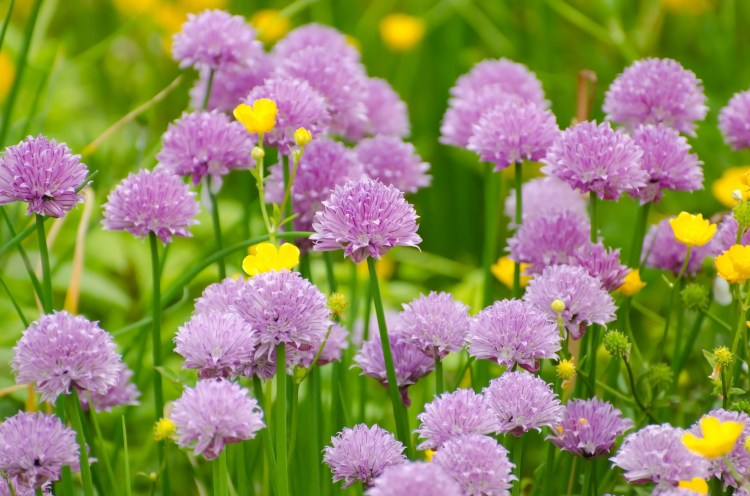
Chives
Chives are a really lovely garnish but you can also add them into your salads, they are great for flavouring. Really easy to grow.
Dill – superb for meat and fish flavouring as well as vegetables like potatoes – very easy to grow.
Dill
Basil
Basil – there are many types of basil you could choose to decide to grow. Great for garnish, flavour and of course pesto and sauces. I love picking a handful of the leaves and then one by one just eating them slowly, they are really quite refreshing.
Sage is great for seasoning meats, fish and vegetables as well as sauces. sage is quite strong willed and scented herb, so take care with use in case it overpowers the flavours you are cooking with. There are many different varieties of sage from garden all the way through to Russian and beyond – so the choice for your kitchen is vast.
Sage
Coriander
Coriander/Cilantro – aka Chinese Parsley is great for adding to salads and cooking alike, makes a nice ‘chew’ and more so if you have indigestion and is a great addition to spicy foods.
Parsley – Curly or Flat leaf the choice is yours – acts as a nice garnish equally as well as a good flavour enhancer and or an extra salad ingredient. Easy to grow,but can be climatic orientated. A vitamin rich herb.
Parsley
Rosemary
Rosemary – filled with flavour for meat, fish, poultry and vegetables and sauces and soups.
Thyme – great for flavouring, l tend to like it especially with eggs and often make up an omelette with a mixture of herbs including thyme to the mix. Most common variety is garden, but there are other varieties such as lemon, wild and caraway.
Thyme
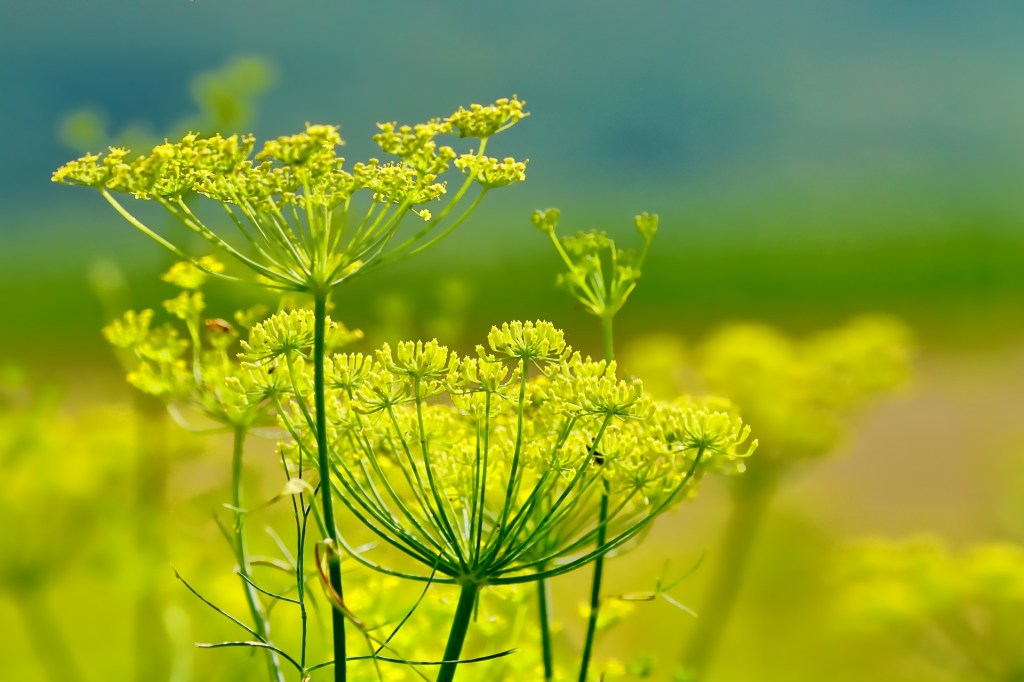
Fennel
Fennel – another flavoursome herb and great for the kitchen and is great with fish, very similiar to that of Dill, can be eaten raw also.
Tarragon – great spicy anise flavour, superb in salads, meat and fish dishes, soups and sauces and vegetables. a great fresh herb for any kitchen.
Tarragon
Bay Leaf
Bay leaves – a great addition in stews, casseroles, soups – fresh or dried, that choice is yours, although we prefer fresh.
Chervil – slightly tainted with anise, another great ingredient companion with fish, meat, poultry, game meats, vegetables, salads and eggs
Chervil
Oregano
Oregano – sometimes known as wild marjoram and related to sweet marjoram and is mostly used for flavouring with meats, fish and vegetables, fresh or dried. But can also be used in sauces, soups and salads, dressings and oils.
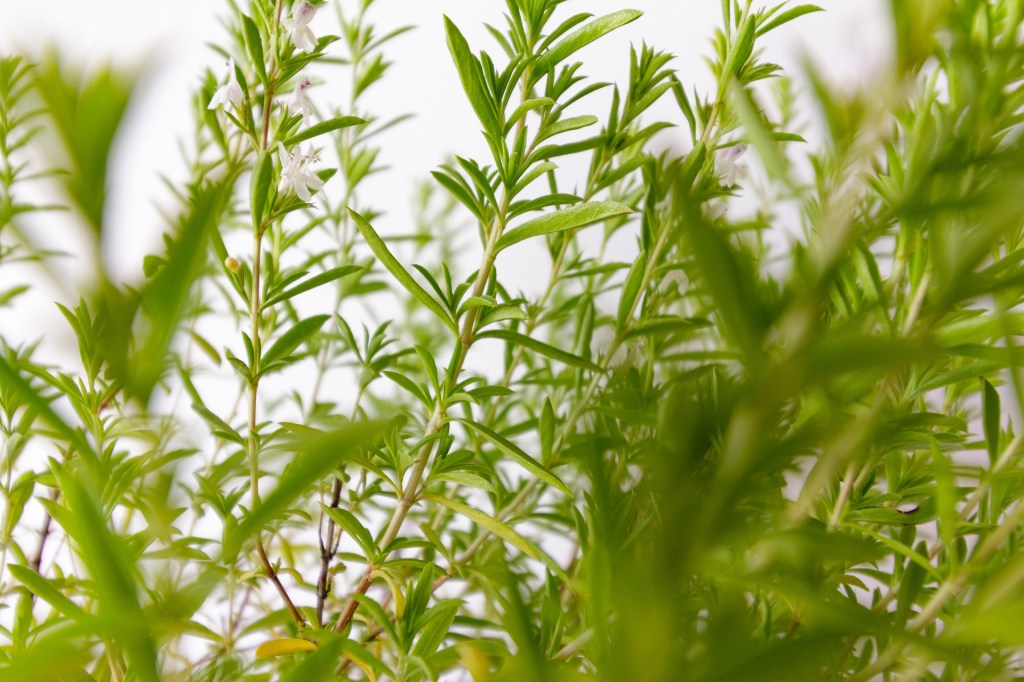
Savoury is great as a favoursome spicy herb addition to meats, fish, poultry and vegetables and game meats.








Great informative article, Rory! Thank you for sharing. 😊
LikeLiked by 1 person
Pleasure Betty, many thanks – regards to yourself and Bud and l hope you are both keeping well 🙂
LikeLike
I love herbs and I should try growing them. Thank you for your very informative post, Rory!
LikeLiked by 1 person
Glad you enjoyed the read Eugenia 😉
LikeLiked by 1 person
Beautifully written as always, Rory. 😊
LikeLiked by 1 person
Many thanks Eugenia 🙂
LikeLiked by 1 person