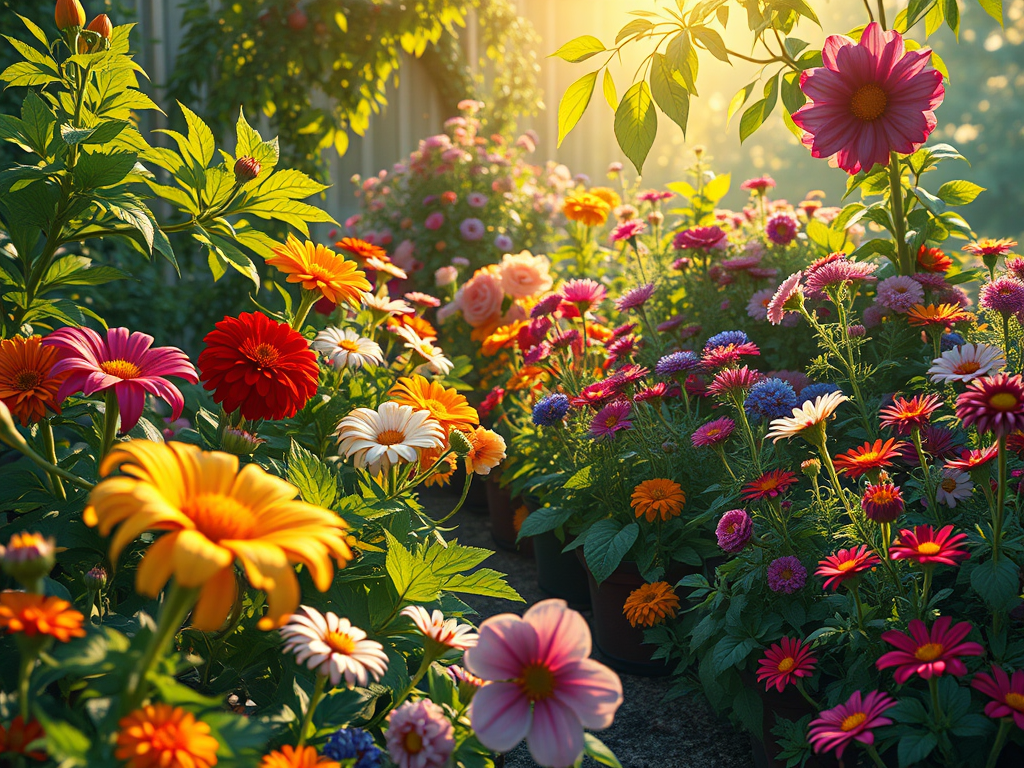
| I was asked the other day if l believed gardening was good for those with autism. I have covered this subject slightly before in a journal post, but l will address it again as l find it an interesting subject. As someone who is on the spectrum with Asperger’s Syndrome, which is no longer classed explicitly as that, but l am now considered autistic, l think l can answer this question. I don’t live in my label as some have suggested over the years, but l do know that l have limitations on certain people matters. I am no less autistic or Aspergic than l was when l was first officially diagnosed in 2007, or recognised the previous year or just that l always knew l was different to my peers when l was much younger than l am today. I am just more comfortable in my skin than l used to be. I don’t live a life of regrets—let us be honest, we all have them—but I have lived a good life with a lot of diversity. Admittedly, I do wish at times that I had discovered the beauty of gardening before I was in my sixties! It is an unforgiving profession for the ageing body. Do l think gardening calms my autism? There is a good chance that there are elements that perhaps soothe the inner autistic me, even if I am not consciously fully aware of them. Because of this and my actual awareness of my autism, I do believe that gardening and autism could walk hand in hand peacefully. Gardening does offer a form of therapy; it is very relaxing because it has structure, and it allows the individual to not be in the social eye of the public face as much as some other careers and jobs expect them to be. If l had to put my finger on specific areas, then l would make the following observations: Gardening offers a rich sensory experience, engaging touch (soil, leaves), sight (colourful plants), smell (flowers, herbs), and sound (rustling leaves, birds). It can be calming for those with sensory sensitivities. Gardening is inherently calming and non-stressful. It’s a proven fact that spending time in nature and the outdoors is an excellent therapy for those with autism and mental health issues. The tranquillity of being outside can improve one’s mood and provide a sense of mindfulness. It’s a space where those with hyperactivity can find focus and channel their energy into productive areas, fostering a sense of relaxation and peace. For those on the spectrum who have a fondness for repetitive behaviour—and I am one of those people—having the routines of certain tasks is comforting. Of course, not everyone loves weeding, yet I find that remarkably reassuring and relaxing. Of course, it is a very repetitive task, and I could weed for hours. Gardening has been known and researched to show that it lowers cortisol levels. If not repetition, then there is also the absolute critical requirement for attention to detail, which might encourage determined focus and mindful concentration patterning for some. With gardening, you come to respect that you need to develop skills in patience. Whilst l thoroughly enjoy the quiet found in gardening, albeit listening to birdsong or nature, l can equally engage in conversation with my clients and build up a friendship at my own pace – l am still not comfortable talking to large groups. Yet, for those who need closeness and a community of teams, the social interaction of gardening would aid those individuals should they want it. Think community gardens. Think of non-verbal communication or actions that speak louder than words. Also, working with like-minded groups of people will enable a more rounded approach to sociality for some autists that may not always be found in other industries. These actions found in gardening boost confidence and further promote a person’s independence. Gardening always brings a sense of accomplishment. Whether it’s the long game of filling a canvas or the immediate satisfaction of clearing a space, the act of gardening can be deeply rewarding. This sense of accomplishment can significantly boost self-esteem, leaving individuals with a feeling of pride and satisfaction. I also believe that gardening could greatly assist those who suffer from dexterity issues or poor motor skills in developing both fine and gross motor skills. I was raised in a family environment that promoted the continued introduction of different food types to my diet from a young age. In contrast, some children today are not able to celebrate that or indeed have the opportunity to have different vegetable types available to them, which community allotment gardening would help them with. I believe it would encourage a healthier eating routine and improve nutrition and gut health. Perhaps, with the correct tuition and discussion, it would also lessen the impact on some who suffer from picky eating problems. Of late, I have given considerable thought to the future of Earthly Comforts as a professional gardening business, including opening up opportunities for those on the autism spectrum, as it is a subject I am fond of as much as gardening. |
The Healing Power of Gardening for Autism


I love gardening, I used to go to a gardening therapy service called Bridewell Gardens. It really helped me recover from mental health and my psychotic episode. I’ve written more about my love of gardening. https://livingwithdan.com/gardening-and-mental-health/gardening-helps-mental-health/
LikeLiked by 1 person
Hey Dan, good afternoon to you 🙂 Yes, gardening certainly does help us all so very much and as you say it’s a terrific endorphin boost too, what’s not to love 🙂
LikeLiked by 1 person
There’s so much to love 💕
LikeLiked by 1 person
You’ve made very good points about gardening and being in nature helping individuals who are on the spectrum
LikeLiked by 2 people
Thanks Sadje, it certainly covers the spectrum and gardening well 🙂
LikeLiked by 1 person
Very true. And helpful for many
LikeLiked by 1 person
Excellent post, Rory. I can see where gardening and being with nature is beneficial and therapeutic. You are fulfilling your passion and can be your own person.
LikeLiked by 1 person
Hey Eugenia, oh yes very much so, if l could have known about gardening ten years ago however, l think that could have helped as well, now l have a list of ailments that makes a pizza topping list look tiny! 🙂
LikeLiked by 1 person