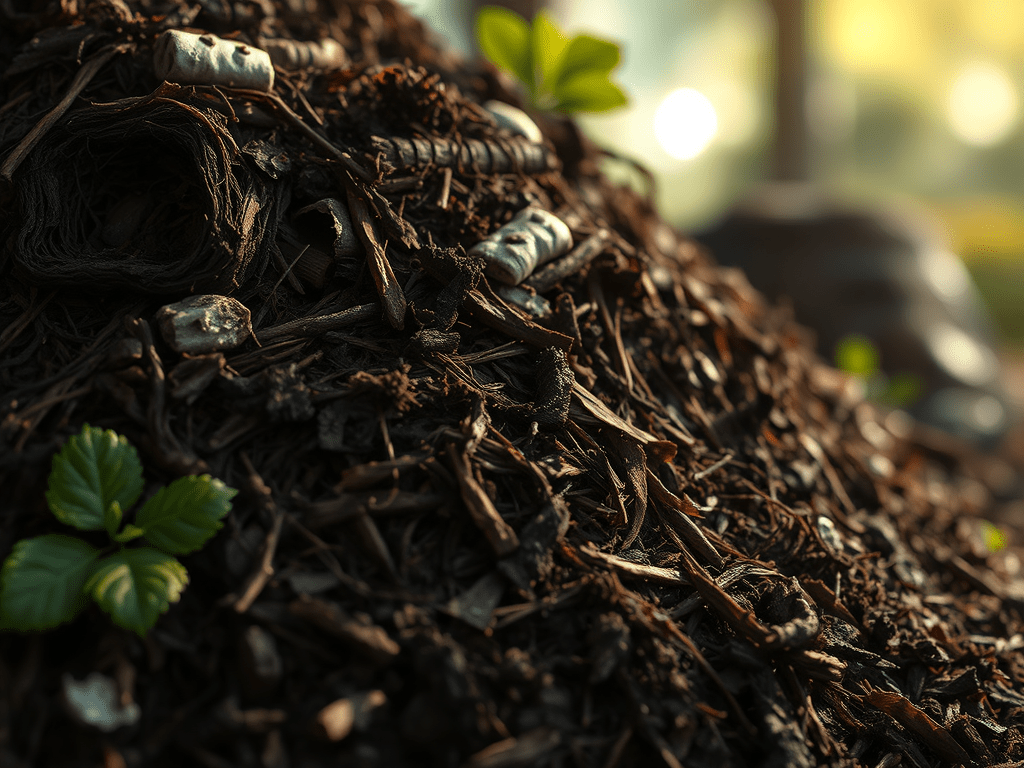
| What is the best way to make compost? |
| Making compost is a simple and effective way to recycle organic waste into a nutrient-richness for your garden. *** Choose a Composting Method that Suits You Compost Pile: A simple heap in your yard. Compost Bin: A contained system that keeps things neat and helps with decomposition. Tumbler Bin: A rotating bin that speeds up the process by aerating the compost quickly. Vermicomposting: Uses worms (red wigglers) to break down food scraps. *** Select a Good Location Choose a well-drained area with partial sunlight. Ensure easy access to water. Keep it close to your garden for convenience. *** Gather the Right Ingredients A good compost pile has a balanced mix of: “Greens” (Nitrogen-rich materials) Fruit and vegetable scraps Coffee grounds and filters Grass clippings Manure (from herbivores like cows, chickens, or rabbits) “Browns” (Carbon-rich materials) Dry leaves Straw and hay Shredded paper or cardboard (no glossy or coloured ink) Wood chips and sawdust (in moderation) Water & Air Keep the pile moist but not soggy (like a damp sponge). Turn the pile regularly for aeration. *** Build the Compost Pile Start with a layer of browns (carbon). Add a layer of greens (nitrogen). Alternate layers to maintain balance. Keep it moist but not overly wet. Turn the pile weekly to speed up decomposition. *** Monitor the Compost Smell: A healthy pile smells earthy. A lousy odour means too much nitrogen (add browns). Heat: The compost should be warm (120-160°F). If it’s cold, add more greens and turn the pile. Moisture: If dry, add water. If too wet, add more browns. *** When is Compost Ready? Usually, it takes 2-6 months depending on conditions. Ready compost is dark, crumbly, and smells like fresh soil. There should be no recognizable food scraps or leaves. *** Use Your Compost Mix into garden soil. Use as mulch around plants. Brew compost tea for a liquid fertilizer. *** Pro Tips for Faster Composting Chop large pieces into smaller ones. Keep a good balance of greens and browns (ideal ratio ~30:1 carbon to nitrogen). Avoid meat, dairy, and oily foods to prevent pests. Keep turning the pile for oxygenation. |


One thought on “Compost Made Simple: Tips and Techniques”