| How best to create a pollinator and bee friendly garden … ? |
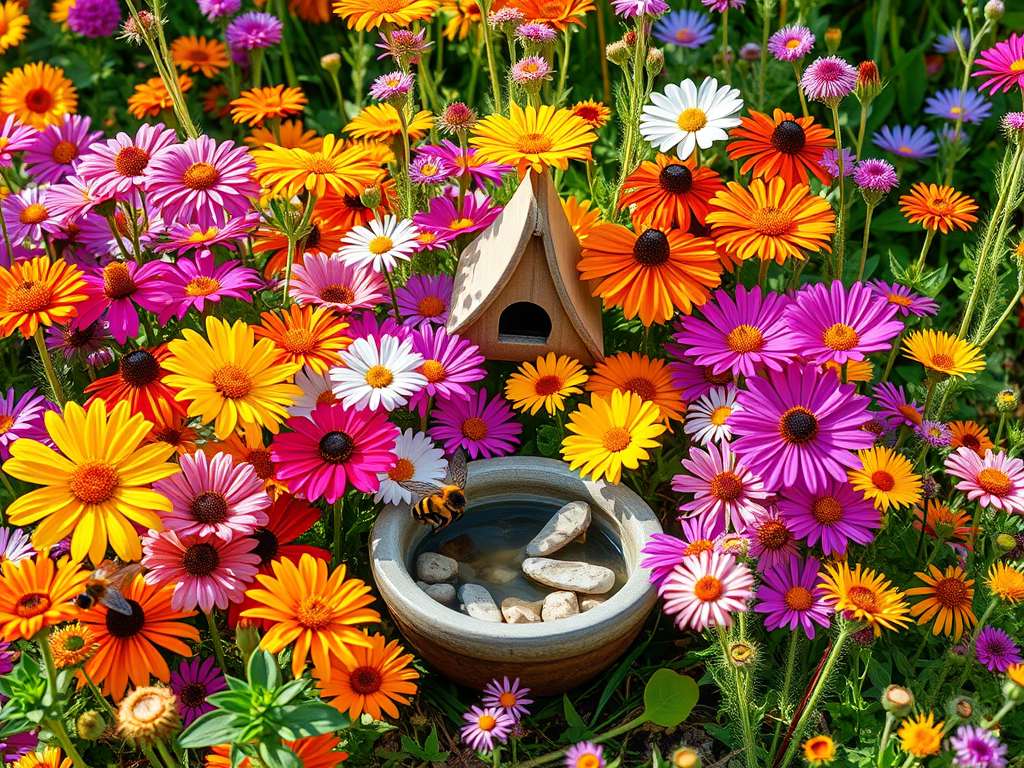
| How best to create a pollinator and bee friendly garden that provides shelter, food and environmental security. Plant a Variety of Native Flowers Bees, butterflies, and other pollinators thrive on the beauty and abundance of nectar and pollen from native plants. Choose a mix of flowers that bloom in different seasons to ensure a continuous food supply. Flowers of diverse colours and shapes will attract a variety of species and add a stunning visual appeal to your garden. Avoid Pesticides and Herbicides Chemical sprays can harm or kill pollinators. Opt for organic methods to control pests, such as companion planting, beneficial insects, and handpicking pests. If you must use pesticides, apply them in the evening when bees are less active. Provide a Water Source Pollinators need water to drink and cool their hives. A shallow dish with small stones or a birdbath with gently sloped edges can provide them with a safe place to land and drink. Offer Shelter and Nesting Sites Different pollinators nest in various ways. Bees, for example, may use hollow stems, holes in wood, or patches of bare soil. You can install bee hotels, leave dead wood in your garden, or avoid excessive tidying up in fall and winter. Include Herbs and Edible Plants Many culinary herbs, such as lavender, thyme, oregano, and basil, produce excellent nectar flowers. Fruit trees and vegetable plants also benefit from pollination, making them a win-win for both you and the pollinators. Create Diverse Habitats Your role in creating a diverse habitat is crucial. Planting a mix of sunny open areas, shaded spots, hedges, and meadows will attract various pollinators. Clustering plants instead of spacing them out too much makes it easier for bees to forage efficiently. You have the power to shape the environment for these essential creatures. Grow Clumping Flowers Instead of Singl, es Bees and butterflies prefer groups of flowers rather than single scattered plants. Large patches of the same species, also known as ‘clumping flowe,’ make it easier for them to gather nectar efficiently. Choose Plants with Simple, Open Flowers Like some roses or carnations, double or highly modified flowers may look beautiful but often lack accessible pollen and nectar. Opt for single-petal flowers, daisies, sunflowers, and wildflowers that provide an easy food source. Let Some Plants Bolt Allowing some vegetables and herbs, such as cilantro, lettuce, or dill, to flower can provide an additional pollinator food source. This process of flowering in plants is known as ‘bolters. Educate and Inspire Others Encourage neighbours, schools, and community gardens to adopt pollinator-friendly practices. Your knowledge and passion can inspire others to create more green spaces that support pollinators, thereby contributing to the local ecosystem’s health. Together, we can make a significant difference. By taking these steps, you create a thriving, balanced environment that supports bees, butterflies, and other essential pollinators while improving your garden’s productivity and garden’s |
 Earthly Comforts
An excellent post and thank you for sharing this helpful information, Rory.
LikeLiked by 1 person
Morning Eugenia, many thanks – l hope you are keeping well 🙂
LikeLiked by 1 person
Most welcome, Rory! Spring has sprung and all is well! 😊
LikeLiked by 1 person
Excellent 🙂
LikeLiked by 1 person