
| Hügelkultur is a gardening and farming technique that creates raised garden beds by layering logs, branches, leaves, compost, and soil. The name comes from the German words “Hügel” (hill) and “Kultur” (culture or cultivation), which essentially means “hill culture” or “mound gardening.” |
| How It Works: Base Layer (Logs & Branches): Large logs or branches are placed at the bottom. These slowly decompose, creating a nutrient-rich environment while acting like a sponge to retain water. Filling (Smaller Wood & Organic Material): Twigs, leaves, grass clippings, and compost are added to create more organic matter layers. Topsoil & Planting: A final layer of rich soil is placed on top, ready for planting vegetables, herbs, or flowers. |
| Benefits: Water Retention: The decaying wood absorbs water and releases it slowly, reducing the need for frequent watering. Nutrient-rich soil: As the logs break down over time, they enrich the soil with nutrients, acting like a slow-release fertilizer. Improved Soil Structure: The mounded shape increases aeration and drainage, making it great for plant roots. Sustainability: Hügelkultur is not just a gardening technique; it’s a sustainable solution. It repurposes organic waste materials that would otherwise go unused, reducing your carbon footprint and contributing to a healthier planet. |
| Drawbacks: It Takes Time to Decompose: Like all good things, the Hügelkultur system has improved. While nutrients may be less available initially, the long-term benefits are worth the wait, making you a patient and committed gardener. Labour-Intensive Setup: Building a Hügelkultur bed requires effort, especially moving heavy logs. |
| This technique has been used for centuries and is particularly useful in dry or degraded soils. Its versatility makes it a popular method in permaculture and sustainable farming, empowering you to adapt it to your unique gardening needs and conditions. |

| I have altered the format slightly to better suit my needs. I introduced the method to the deep grower organic compost boxes I used to produce compost and am now using it with my new mini-bed vegetable-tiered towers. This means instead of making a workable ‘over time’ compost, l am incorporating the method with the deep grower composting strategy to make a compostable bed within the growing area, which is boxed Hügelkultur. The vegetables are planted into the tower system. The top six inches is a growing medium; however, everything below that planting depth decomposes. As it breaks down over time, it adds valuable nutrients to the soil and releases millions of microbes, which increase activity and further enhance the growing area’s nutrient level. Managing Hügelkultur in a box system (raised bed) requires a combination of strategic layering, proper moisture control, and gradual decomposition maintenance. |
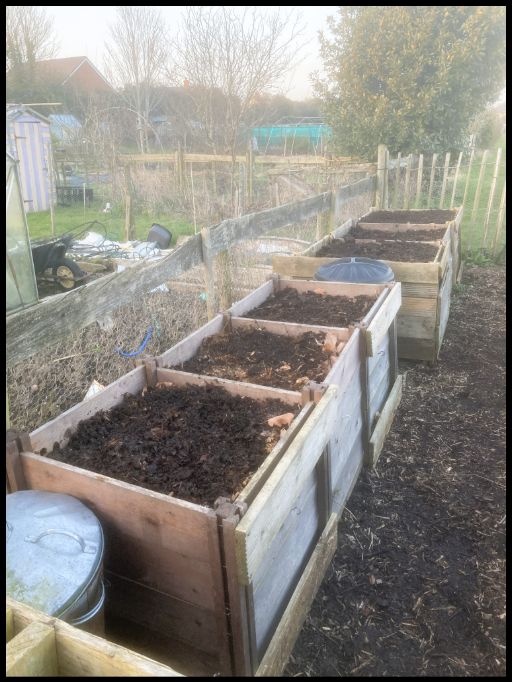
| Deep Grower Organic Compost Boxes combined with the Hügelkultur method means these beds are always feeding themselves with the decomposition process and in turn feeding the root systems of the plants growing above them. |
| Building the Hügelkultur Box Instead of creating a traditional mound, you’ll be confining the Hügelkultur method within a raised bed or box structure. Materials Needed: A raised garden bed (wood, metal, or composite) Logs and branches (hardwood like oak, maple, or pine for slower decomposition) Smaller twigs and wood chips Green waste (grass clippings, kitchen scraps, fresh leaves) Compost and topsoil Mulch (straw, wood chips, or leaves) |
| Layering the Hügelkultur Box The goal is to mimic the natural decay process while ensuring good drainage and nutrient cycling. Base Layer (Logs & Large Branches): Place large logs at the bottom of the raised bed to act as a slow-release moisture sponge. Position logs lengthwise for better stability and air pockets. Intermediate Layer (Twigs & Small Branches): Fill gaps with smaller branches, wood chips, or straw. This aids drainage and slows decomposition. Green Layer (Nitrogen-Rich Materials): Add fresh grass clippings, vegetable scraps, and green leaves. This speeds up decomposition by providing nitrogen. Compost Layer: Spread a thick layer of compost or well-aged manure to enhance microbial activity. Topsoil Layer: Add 6–12 inches of high-quality garden soil on top for planting. Mulch Layer (Optional but Recommended): Use straw, shredded leaves, or wood chips to retain moisture and suppress weeds. |
| Managing Decomposition & Soil Health Settling Issues: The material underneath will break down and settle over time. To maintain levels, add additional soil and compost annually. Moisture Control: Logs retain water, but the system may dry out faster in hot weather. Deep watering helps maintain balance. Nutrient Boosting: As the logs decompose, nitrogen depletion can occur in the early stages. Supplement with compost or organic fertilizer if plants show deficiency signs. Crop Rotation: Rotate crops each season to maintain soil health and prevent disease buildup. Weed & Pest Control: The decaying wood can attract fungi and insects, which is natural but may require monitoring. |
| Best Plants for a Hügelkultur Box First Year: Leafy greens (lettuce, spinach), nitrogen-fixing plants (beans, peas), and shallow-rooted crops. Later Years: Deep-rooted plants (tomatoes, carrots, potatoes) as the decomposition progresses. |
| Long-Term Maintenance Add organic matter (compost or aged manure) yearly. Monitor and adjust pH levels as needed. Keep an eye on moisture retention and irrigation needs. |
 Earthly Comforts
Definitely for me. In fact that’s, in effect, what I did?…. Without knowing it is a recognised approach to organic gardening 😁
Jocelyn
P.S. I’d I don’t see you before, good luck next week: and be a patient Patient!
LikeLiked by 1 person
Indeedy, Jocelyn, that was the base build up of your own raised beds? Also a smaller version was the same for the ground covering 🙂
Thank you.
I will try 🙂
LikeLike