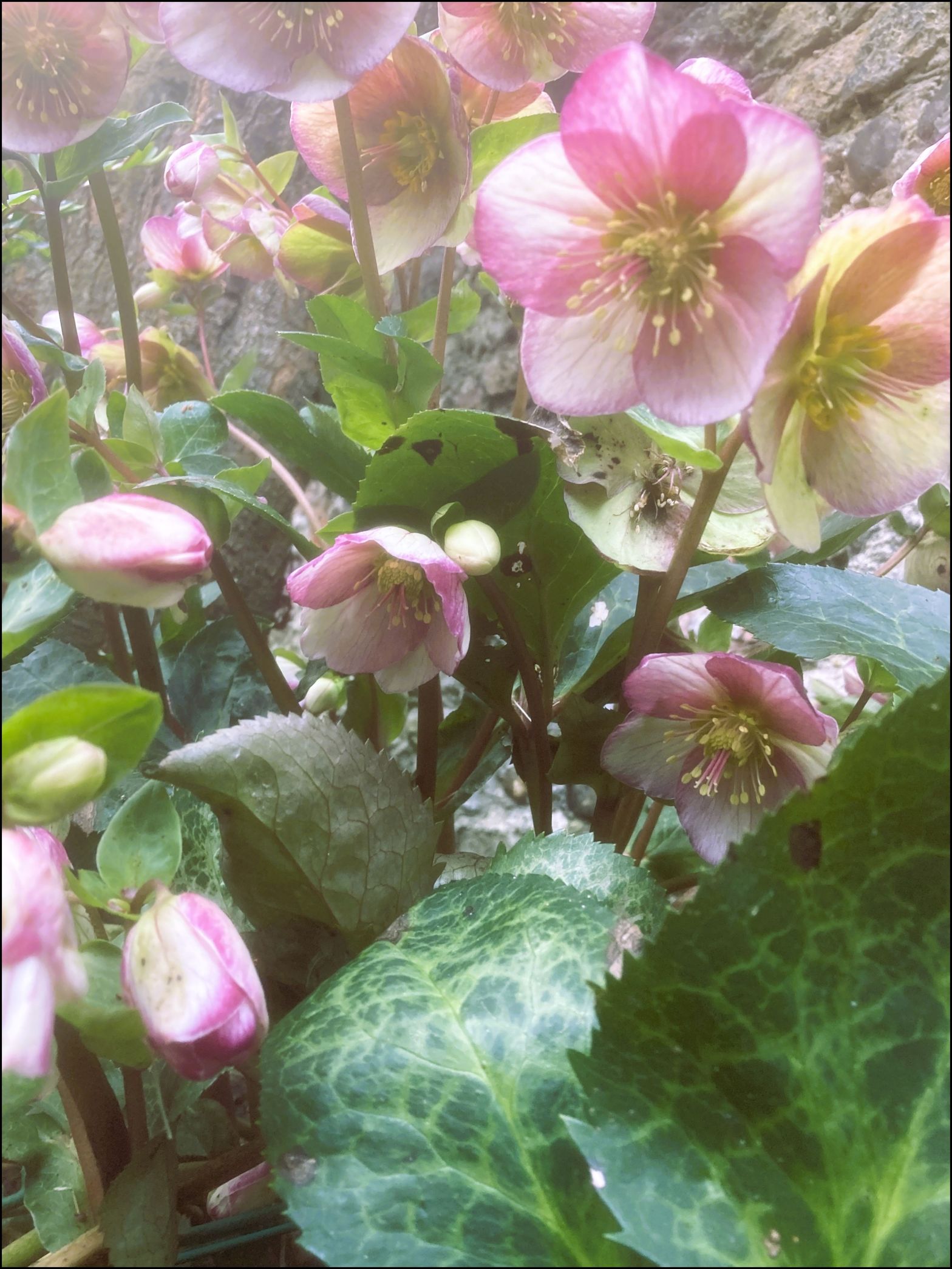
| Hellebores Helleborus |

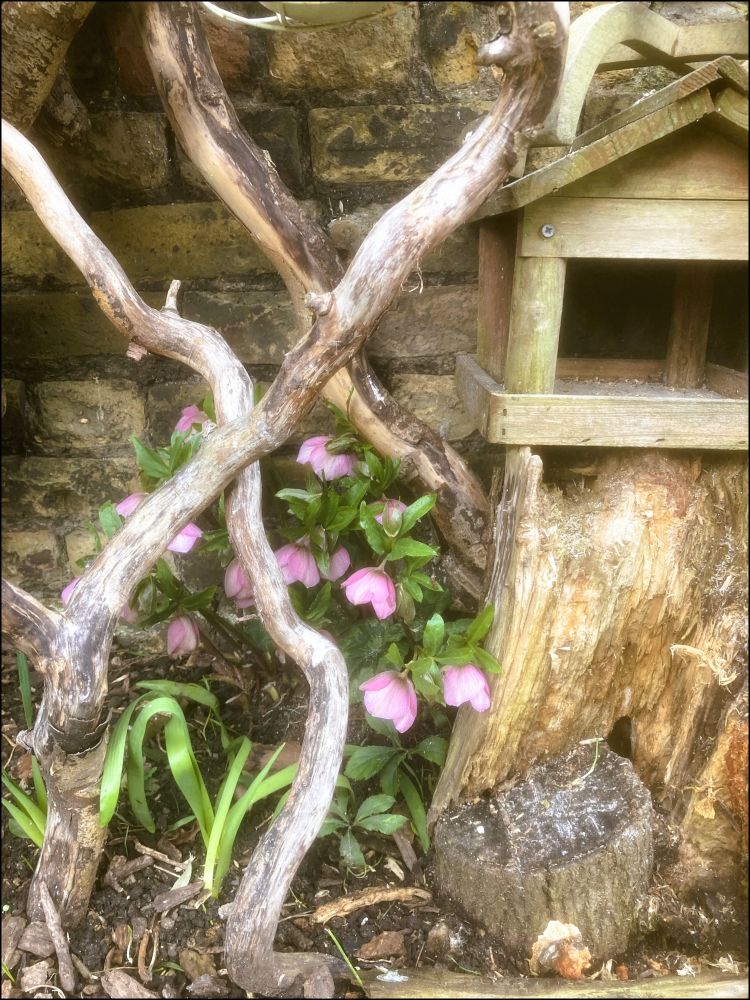


| How to Grow and Care for Hellebores in Your Garden Hellebores, with their hardy nature and delicate, shade-loving blooms that grace the garden from late winter to early spring, are a sight to behold. Their early-season colour makes them a fantastic choice for any garden. Hellebores (Helleborus) are a genus of perennial flowering plants in the Ranunculaceae (buttercup) family. They are known for their early-blooming flowers, often appearing in late winter to early spring, even in snow. Their ability to thrive in the shade and cold weather makes them a favourite among gardeners. |
| Planting Hellebores When to Plant Best planted in fall or early spring for strong root establishment. If planting in summer, provide extra water to help them adjust. Where to Plant Light: Partial to full shade (ideal under trees or shrubs). Soil: Moist, well-draining, rich in organic matter. Avoid overly wet areas. Spacing: 12–18 inches apart to allow airflow. How to Plant Dig a hole twice the size of the root ball. Place the plant so the crown (where the stems meet the roots) is above the soil level. Backfill with compost-enriched soil and water well. |
| Watering & Care Water deeply after planting; once established, hellebores are drought-tolerant. Avoid overwatering—soggy soil can lead to root rot. Mulch with organic matter (compost or leaf mould) in spring to retain moisture and improve soil health. |
| Pruning & Maintenance Remove old leaves in late winter before new growth appears to prevent disease and improve airflow. Deadhead (remove spent flowers) to encourage longer blooming. Fertilize lightly in early spring with a balanced organic fertilizer. |
| Encouraging Blooms Hellebores naturally bloom from late winter to early spring, but here’s how to maximize their flowering: Provide rich, fertile soil with compost or aged manure. Avoid excessive nitrogen, which promotes leaf growth over flowers. Give them some winter sun—dormant deciduous trees allow more light during this period. Be patient! Young plants may take 1–2 years to bloom. |
| Propagation By Division: It is best done in early fall after flowering. Carefully lift the plant and split it into sections, ensuring each has roots. Replant immediately and water well. By Seeds: Sow fresh seeds in late summer to fall in a shaded spot. Germination is slow—it can take 6–18 months. Seedlings may not resemble the parent plant (hybrids vary). |
| Pest & Disease Prevention Slugs/snails: Use crushed eggshells or diatomaceous earth around plants. Black spot or fungal issues: Remove old leaves in winter to reduce risk. Aphids: Wash off with soapy water or introduce ladybugs. Toxicity Warning All parts of the hellebore plant are poisonous if ingested. Wear gloves when handling, as the sap can irritate skin. Keep away from pets and children. Best Companion Plants Hellebores pair well with: Ferns – for lush texture contrast. Snowdrops & Crocuses – for early-spring colour. Hostas & Heucheras – for summer interest. |
| Key Facts About Hellebores: Common Names: Lenten rose, Christmas rose (though not true roses) Native Regions: Europe and Asia Flower Colors: White, pink, purple, green, deep burgundy, almost black Bloom Time: Late winter to early spring Light Requirements: Partial to full shade Soil Needs: Moist, well-drained, rich in organic matter Toxicity: Poisonous if ingested; sap can cause skin irritation Types of Hellebores: Helleborus niger – “Christmas rose”; blooms in winter, white flowers. Helleborus orientalis – “Lenten rose”; flowers from late winter to early spring. Helleborus foetidus – “Stinking hellebore”; greenish flower leaves smell unpleasant when crushed. Helleborus argutifolius – “Corsican hellebore”; large green flowers, tough foliage. Growing Hellebores: Planting: Best in fall or early spring. Watering: Moderate; avoid waterlogged soil. Maintenance: Low; remove old leaves in late winter for better air circulation. Propagation: By Division or seeds (though slow-growing). |
 Earthly Comforts
One thought on “Ultimate Guide to Growing Hellebores in Your Garden”