
| Britain is home to several species, including native wild bees and domesticated honeybee varieties. These bees play a crucial role in pollination and biodiversity. Here are some of the most well-known types: |

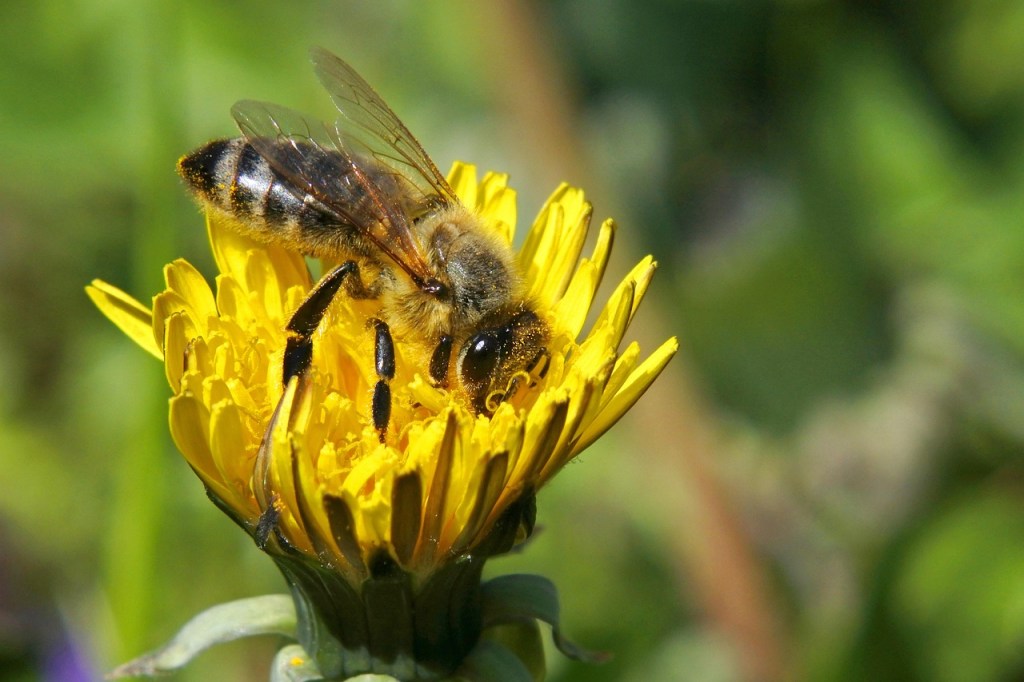
| The British Honeybee (Apis mellifera) The most commonly kept species for honey production. Britain originally had a native dark honeybee (Apis mellifera mellifera), known for its resilience and ability to survive harsh climates. Over the years, hybridization with other subspecies, like the Italian honeybee (Apis mellifera ligustica), has led to various mixed traits in UK colonies. |

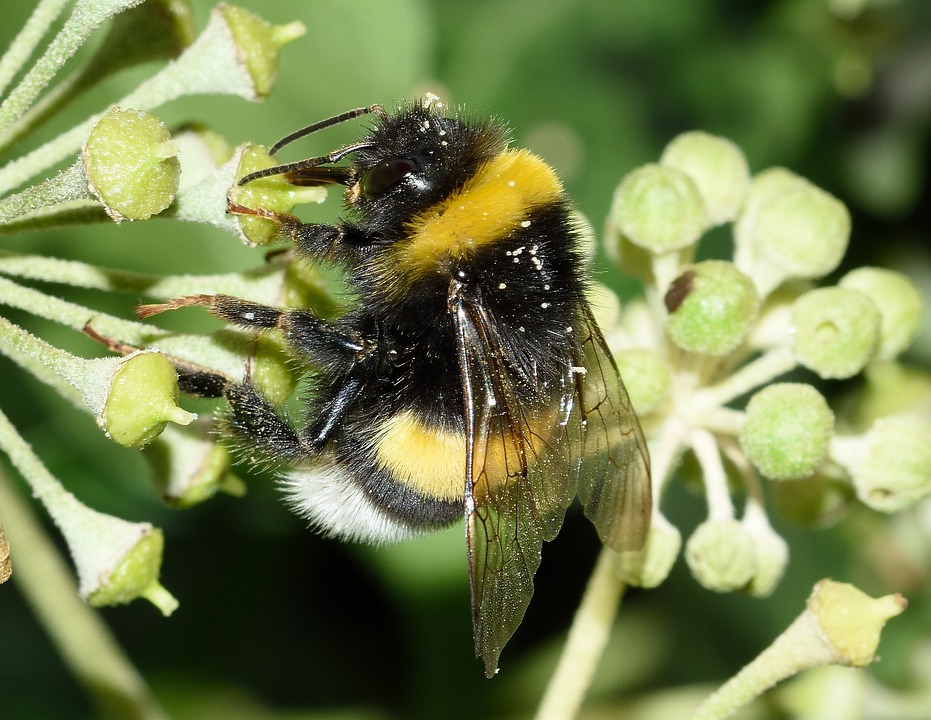
| Bumblebees (Bombus species) Britain has around 24 species of bumblebee. They are known for their large, furry bodies and buzzing flight. Some well-known varieties include: Buff-tailed bumblebee (Bombus terrestris) One of the most common garden bumblebees. White-tailed bumblebee (Bombus lucorum) Often confused with the buff-tailed species. Red-tailed bumblebee (Bombus lapidarius) Recognizable by its bright red rear. Garden bumblebee (Bombus hortorum) Has a long tongue, perfect for deep flowers. Tree bumblebee (Bombus hypnorum) A relatively recent arrival, first spotted in Britain in 2001. |

| Solitary Bees Britain is home to over 250 species of solitary bees. Unlike honeybees and bumblebees, they do not form large colonies. Some key examples include: Red Mason Bee (Osmia bicornis) Great pollinators, often found nesting in walls or bee hotels. Leafcutter Bees (Megachile species) Recognizable by how they cut pieces of leaves to build their nests. Mining Bees (Andrena species) These dig burrows in the ground and are excellent early spring pollinators. |
| Rare and Endangered Bees Great Yellow Bumblebee (Bombus distinguendus) One of the rarest bumblebees, found mainly in the Scottish Highlands. Shrill Carder Bee (Bombus sylvarum) Recognizable by its high-pitched buzz, but numbers are declining. Scabious Bee (Andrena hattorfiana) A solitary bee that relies on scabious flowers, which are now becoming scarce. |
| Each of these bee varieties plays a unique role in the ecosystem, contributing to pollination, plant diversity, and food production. With habitat loss and climate change threatening many, conservation efforts such as planting wildflowers and creating bee-friendly spaces are more important than ever. |
 Earthly Comforts
One thought on “Exploring Britain’s Diverse Bee Species”