
| Hydrangea Hydrangea macrophylla |


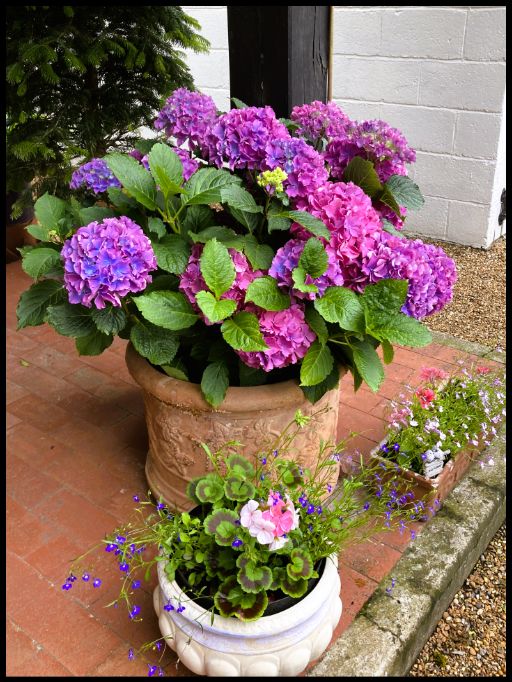
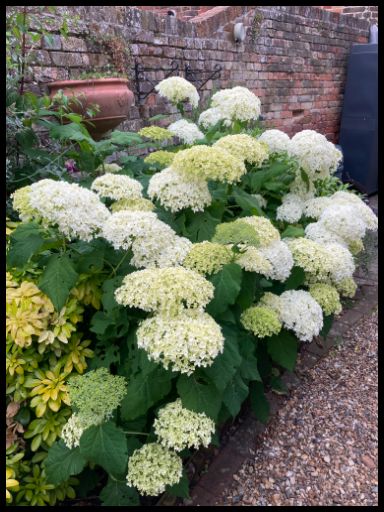

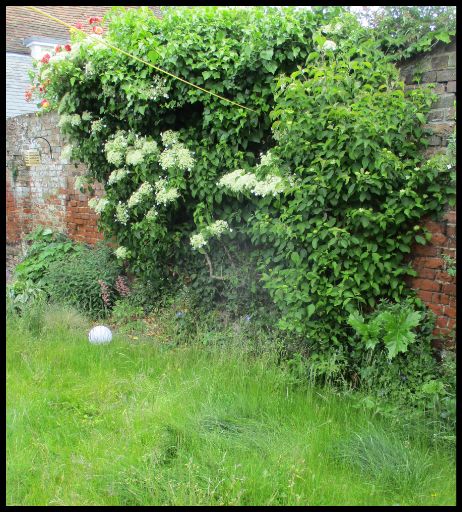
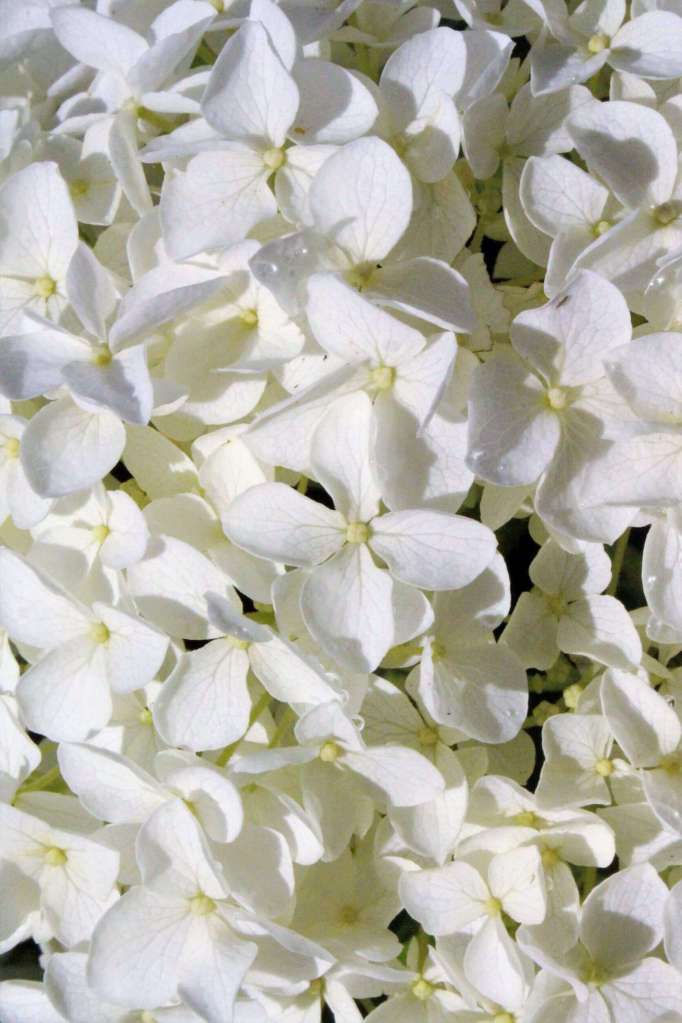
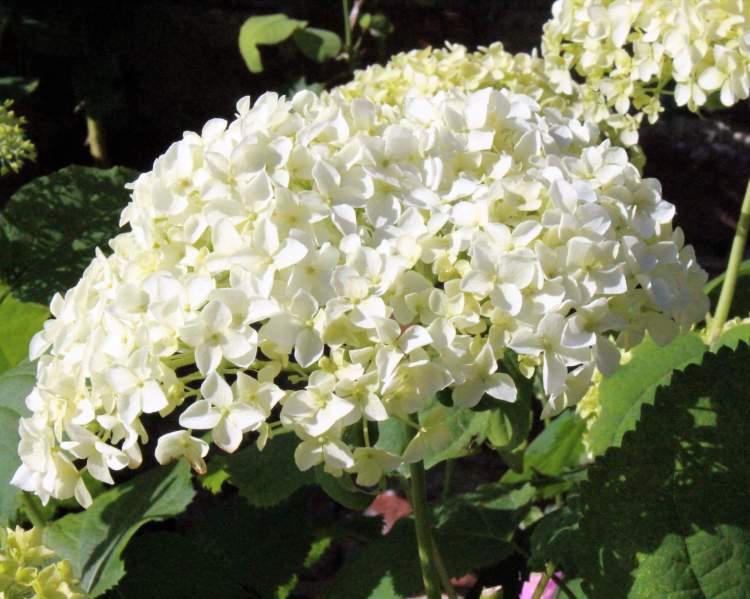

| Hydrangeas, with their large, showy flower clusters and diverse colours, are popular ornamental shrubs that can thrive in various climates. Whether in Asia, the Americas, or elsewhere, these versatile plants can be a staple in your garden. Types of Hydrangeas: Bigleaf Hydrangea (Hydrangea macrophylla): This type includes two main varieties: Mophead: Characterized by globe-shaped flower heads. Lacecap: Features flat flower heads with a centre of tiny buds surrounded by larger blooms. Panicle Hydrangea (Hydrangea paniculata): Known for their conical flower clusters, these hydrangeas bloom from mid to late summer and can thrive in full sun. Smooth Hydrangea (Hydrangea arborescens): Native to North America, they produce large, round flower heads and are adaptable to various soil types. Oakleaf Hydrangea (Hydrangea quercifolia): Recognizable by their oak-shaped leaves, these hydrangeas offer vibrant fall foliage and elongated flower clusters. Flower Color and Soil pH: The colour of hydrangea flowers, particularly in bigleaf varieties, can change based on soil pH: Acidic Soil (pH below 7): Produces blue flowers. Alkaline Soil (pH above 7): Yields pink or red flowers. White hydrangea varieties typically remain unaffected by soil pH changes. Planting and Care: Light: Hydrangeas generally prefer partial shade, especially in hotter climates. Panicle hydrangeas can tolerate more sun. Soil: Well-drained soil enriched with organic matter is ideal. Watering: Regular, consistent watering is essential for the health and beauty of your hydrangeas, especially during dry periods with high moisture needs. Pruning: Pruning requirements vary: Bigleaf and Oakleaf Hydrangeas: Prune after flowering, as they bloom on old wood. Panicle and Smooth Hydrangeas: Prune in late winter or early spring as they bloom on new wood |


One thought on “Understanding Hydrangeas: Colour, Soil pH, and Care”