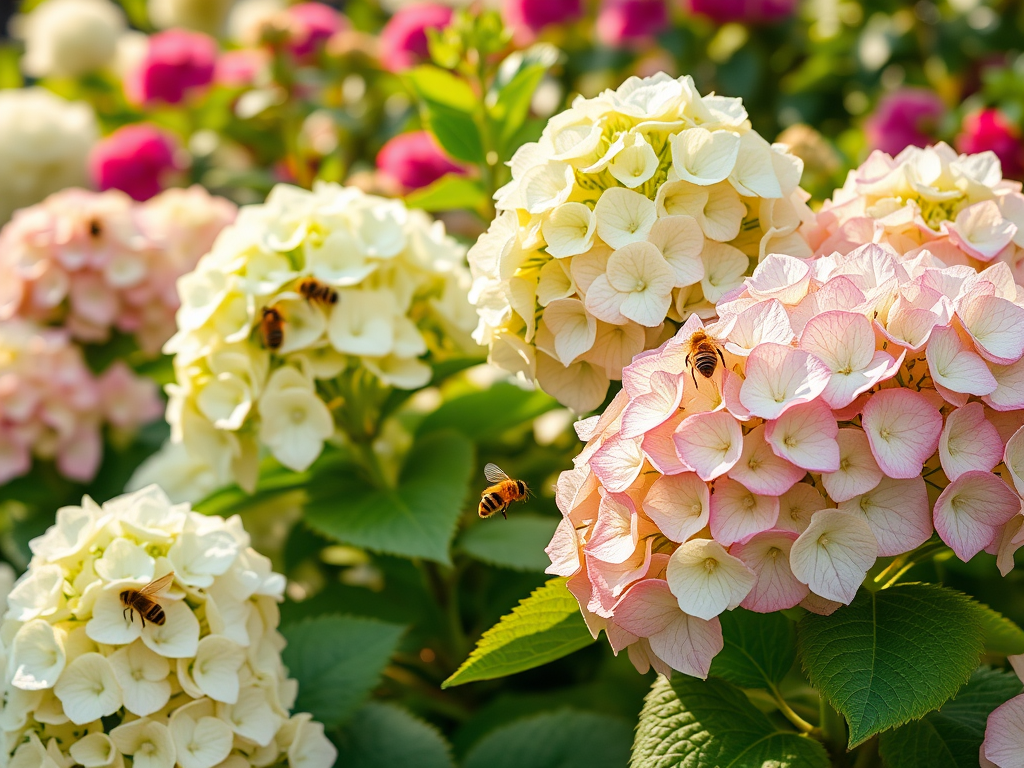
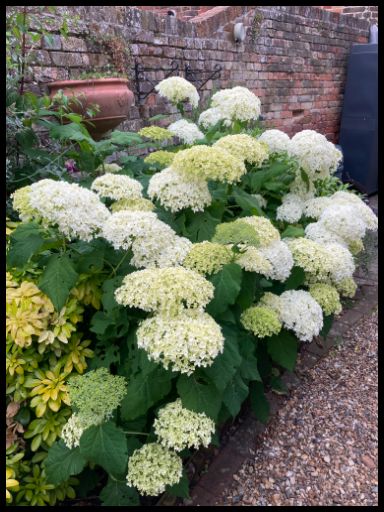
| Lacecap hydrangeas stand out among the hydrangea varieties because of their unique and elegant charm. Unlike the more common mophead hydrangeas, their delicate, flat-topped flower heads create a lacy, almost wildflower-like appearance. This unique beauty will intrigue and inspire any gardener or plant enthusiast. They thrive in partial shade and prefer moist, well-drained soil. Like other hydrangeas, their flower colour can change based on soil pH. Lacecap hydrangeas produce blue blooms in acidic soil, while in alkaline soil, they yield pink ones. This fascinating process is due to the presence of aluminium in the soil, which affects the availability of certain pigments in the flowers. Lacecap hydrangeas are relatively easy to care for, requiring regular watering and occasional pruning to encourage healthy growth. These hydrangeas add a soft, romantic touch to gardens and attract pollinators like bees and butterflies. They also make lovely cut flowers for arrangements. With its graceful structure and changing colours, lace-cap hydrangeas are a beautiful choice for any garden. Hydrangea paniculata, often called panicle hydrangea, is a hardy, showy shrub known for its cone-shaped flower clusters. Unlike the round, mophead blooms of other hydrangeas, these flowers start creamy white and can turn shades of pink, red, or green as the season progresses. They typically bloom in mid-to-late summer and last well into fall, making them a favourite for extended garden interests. One of the best things about Hydrangea paniculata, often called panicle hydrangea, is its toughness and low-maintenance nature. It thrives in various climates, tolerating colder winters better than many other hydrangeas. It also does well in full sun or partial shade if it gets enough moisture. The fact that its colour changes naturally as the blooms mature, without the need for soil pH adjustments, adds to its low-maintenance appeal, reassuring and boosting the confidence of any gardener. Hydrangea paniculata comes in various sizes, from compact dwarf varieties like ‘Bobo’ to larger ones like ‘Limelight’ and ‘Pinky Winky’, which can reach over 8 feet tall. This versatility opens up a world of possibilities for gardeners, allowing them to get creative with hedges, specimen plants, or containers and sparking excitement about the potential of these plants in their gardens. Pruning is straightforward for panicle hydrangeas. Since they bloom on new wood, they can be pruned in late winter or early spring without sacrificing flowers. To prune, remove any dead or weak branches, and trim the remaining branches to the desired length. This makes them easier to maintain than other hydrangea types requiring careful timing. Overall, Hydrangea paniculata is a fantastic choice for gardeners looking for a resilient, low-maintenance shrub with stunning, long-lasting blooms. Whether in a formal landscape or a more casual garden, it’s a reliable, beautiful plant that brings a lot of seasonal interest. |


You lost me with ‘snowballs’ – as I’ve know hydrangeas to be called. I have such a dislike for these things – I probably caught it from my mother who ripped 5 huge hydrangea bushes out of the ground with her bare hands while heaping imprecations on their flowery little heads.
LikeLiked by 1 person
Why did she loathe them so?
LikeLiked by 1 person
I have no idea – but as I’ve said before my mother was, I guess you could say, a talented gardener, tho where she learned, having grown up in a tenement in NYC, I’ll never know. She was passionate about roses, grew a lilac bush from a twig basically, was the African Violet whisperer, was meticulous with her bulb flowers (storing them and replanting etc) but she was hated by her gardenia plant and gardenias were her favorite flower – she even wore gardenia perfume. I’ve told the gardenia plant story many times – I love it!
LikeLiked by 1 person
I remember my Mom used to grow Hydrangeas. I think they are gorgeous.
LikeLiked by 1 person
Yes a truly lovely garden addition 🙂
LikeLiked by 1 person