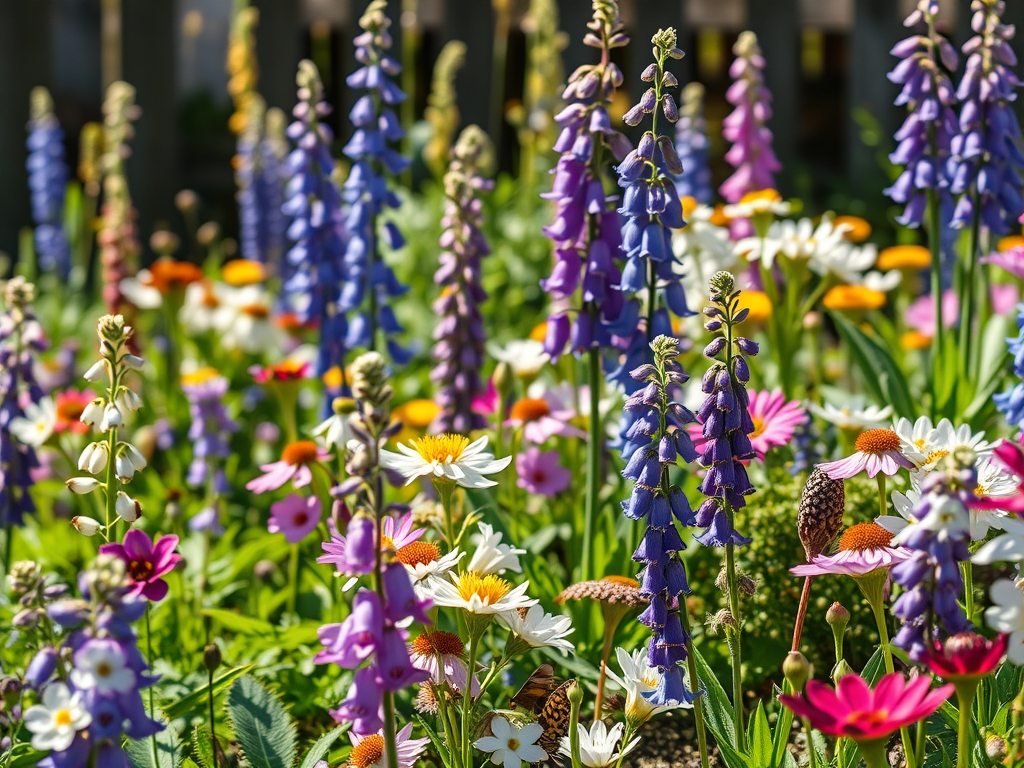
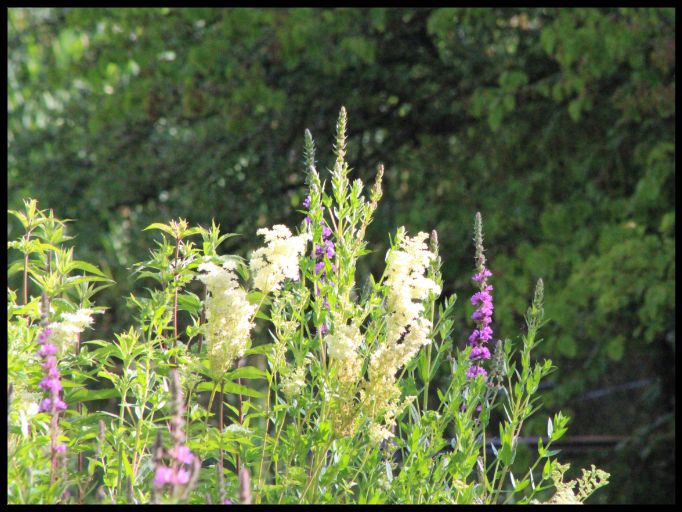
| Many of my clients’ gardens have wildlife-inspired themes, as well as cottage gardens and some Victorian walled gardens. The soils contain British wildflowers. Some admittedly are birds, and others have just appeared, perhaps in the wind or something. Not all wildflowers are weeds, as many gardeners presume; they are just in the wrong place at the wrong time and may not be what that particular gardener wanted to see. If a client explicitly requests the removal of certain flowers, I do, but if they are more casual about it, then the visitors are usually allowed to stay. I suggest that a small wildlife patch be introduced. Some say yes, others do not. British wildflowers are a beautiful part of our natural landscape and a crucial lifeline for our wildlife. They bloom in woodlands, meadows, hedgerows, and along our coastlines, adding a splash of colour and life to every corner of the countryside. Their significance is profound, especially for pollinators like bees and butterflies, who rely on them for survival. Here are some of my favourite wildflowers: English Bluebell – You can’t beat the sight of a woodland floor covered in bluebells in spring. These delicate flowers prefer shady spots and are a real treat when you stumble upon them in ancient forests. Primrose – These pale yellow blooms are often among the first signs that spring has arrived. You’ll spot them in woodlands, hedgerows, and meadows. They’re also a lifeline for early pollinators just waking up after winter. Foxglove – With their tall spires of purple, bell-shaped flowers, foxgloves are hard to miss. They love woodland edges and hedgerows and are especially popular with bumblebees. Cowslip – Once a common sight in meadows, cowslips have sadly become less widespread, but you can still find them on grasslands and roadside verges. Their golden-yellow flowers smell lovely and bloom in little clusters. Cornflower – These vibrant blue flowers used to be a regular feature in cornfields, but intensive farming has made them rarer. Thankfully, they’re making a comeback through wildflower seed mixes and conservation efforts. Introducing native wildflowers to our gardens and green spaces can significantly impact us. Initiatives like the Coronation Meadows are a testament to this, as they strive to restore wildflower-rich meadows across the country, thereby enhancing biodiversity and providing a sanctuary for our wildlife. If you’re thinking of growing some yourself, pick species that match your local soil and conditions. Wildflowers do best in poor soil; some prefer specific spots like wet areas or chalky ground. You can start by preparing the soil, choosing the right seeds, and providing the necessary care. There’s lots of helpful advice and resources if you want to give it a go. We’re not just creating something beautiful by welcoming wildflowers into our gardens, parks, and public spaces. We’re also crucial in preserving a rich part of our natural heritage and supporting the wildlife that calls it home. Every wildflower we plant or protect is a step towards a more biodiverse and beautiful world. |
 Earthly Comforts
One thought on “The Importance of British Wildflowers in Our Gardens”