
| One garden’s weeds are another garden’s country flowers, and it always comes down to personal interpretation. Weeds are just flowers in the wrong place! However, the UK is home to many weeds, some invasive and problematic for gardeners, while others benefit pollinators. I don’t mind most weeds. They serve a purpose, but not all, of course; some are horribly aggressive, invasive, and more persistent to remove than a bad cold! Many weeds have ecological value but can be problematic in gardens, agricultural land, and lawns. Here’s a list of the top 30 British weeds based on their common occurrence, invasiveness, and difficulty in control: |
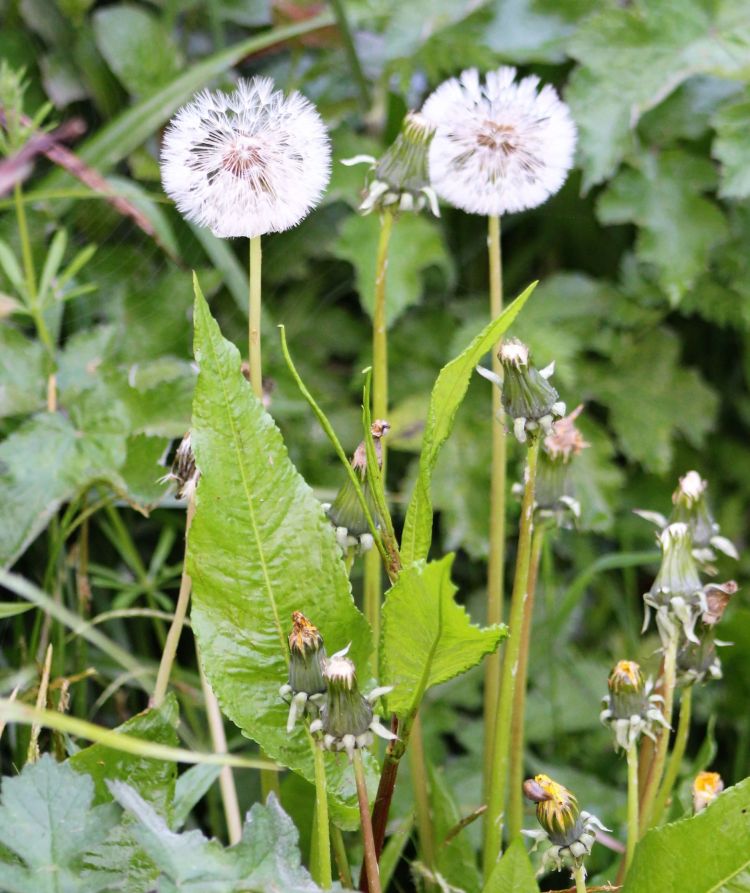
Dandelions
| Common Lawn & Garden Weeds |
| Dandelion (Taraxacum officinale) A bright yellow flower with deep taproots. It is beneficial to pollinators but a nuisance in lawns. Creeping Buttercup (Ranunculus repens) Spreads via runners, thriving in damp conditions. Daisy (Bellis perennis) Small white flowers commonly found in lawns. White Clover (Trifolium repens) A nitrogen-fixing plant that spreads quickly in lawns. Red Clover (Trifolium pratense) Taller than white clover, commonly found in meadows. Groundsel (Senecio vulgaris) Produces small yellow flowers and spreads by wind-blown seeds. Selfheal (Prunella vulgaris) A purple-flowered lawn weed that spreads via creeping stems. Bird’s-foot Trefoil (Lotus corniculatus) Found in lawns and pastures, good for pollinators but invasive in turfgrass. Mouse-ear Chickweed (Cerastium fontanum) A small-leaved weed that forms dense lawn mats. Lesser Celandine (Ficaria verna) A spring-flowering plant with yellow flowers that spreads via tubers. |
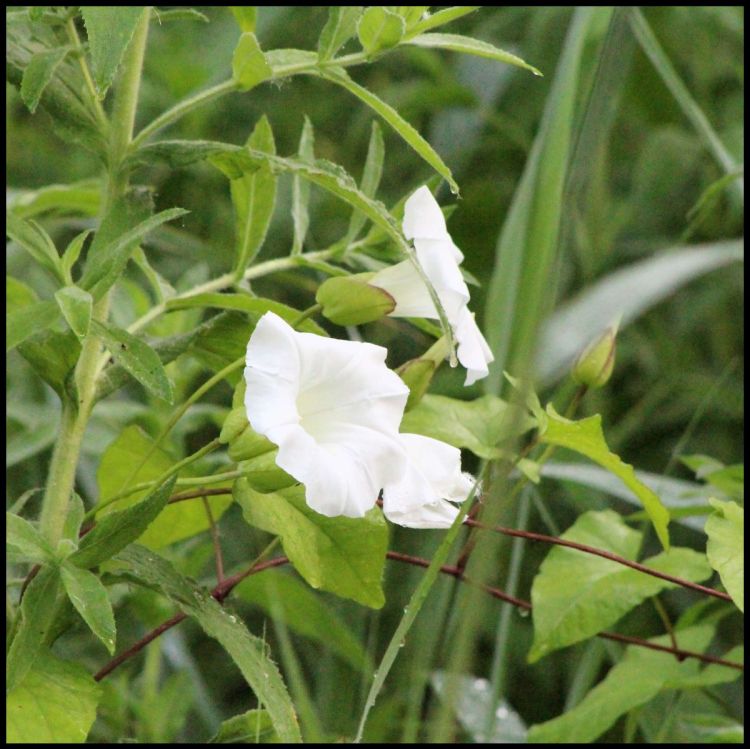
Bindweed in blossom
| Troublesome Garden & Allotment Weeds |
| Bindweed (Convolvulus arvensis & Calystegia sepium) A twining vine that smothers plants. Chickweed (Stellaria media) A fast-growing annual with tiny white flowers. Hairy Bittercress (Cardamine hirsuta) A tiny weed that spreads explosively by seed. Fat Hen (Chenopodium album) A prolific summer weed common in vegetable gardens. Shepherd’s Purse (Capsella bursa-pastoris) It is recognizable by its heart-shaped seed pods. Herb Robert (Geranium robertianum) A geranium species with pink flowers and a pungent smell. Common Nettle (Urtica dioica) Stinging leaves make this weed unpleasant to handle. Red Dead-nettle (Lamium purpureum) A non-stinging nettle with red flowers, suitable for bees. Hedge Mustard (Sisymbrium officinale) A fast-growing annual with small yellow flowers. Ground Elder (Aegopodium podagraria) A persistent and spreading weed with compound leaves. |
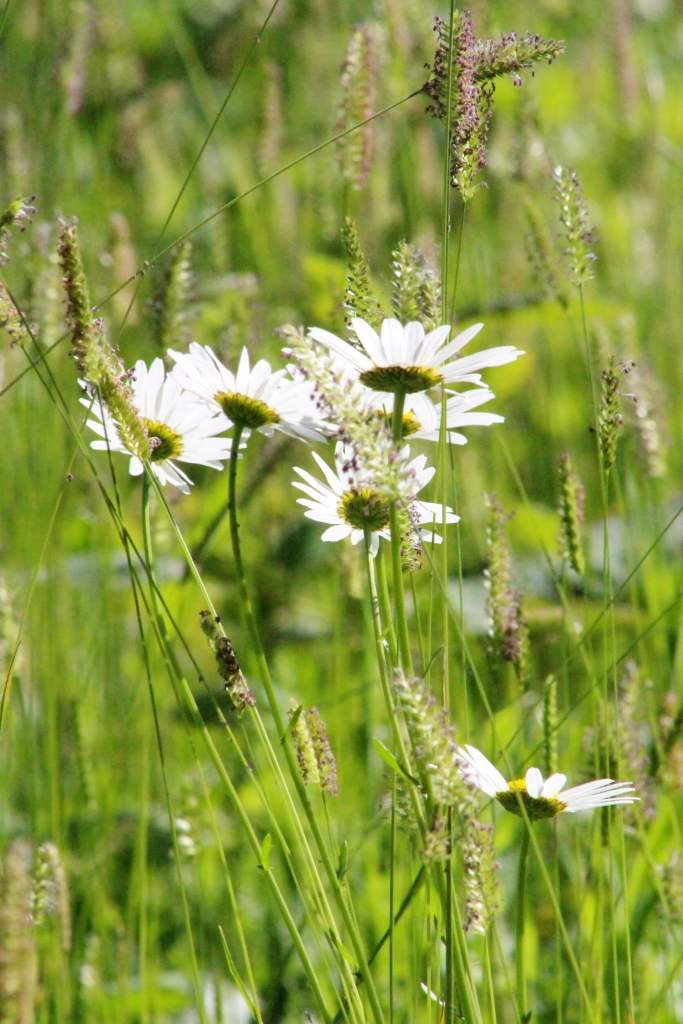
Oxeye Daisy
| Invasive & Problematic Weeds |
| Japanese Knotweed (Reynoutria japonica) Highly invasive with deep rhizomes. Himalayan Balsam (Impatiens glandulifera) A tall annual that spreads aggressively along waterways. Ragwort (Jacobaea vulgaris) Toxic to livestock but essential for insects. Giant Hogweed (Heracleum mantegazzianum) Causes severe skin burns due to its toxic sap. Bramble (Rubus fruticosus) Produces blackberries but spreads aggressively via runners. Horsetail (Equisetum arvense) Is a deep-rooted, prehistoric-looking weed that is hard to eradicate. Oxeye Daisy (Leucanthemum vulgare) Looks attractive but spreads aggressively in meadows. Spear Thistle (Cirsium vulgare) A spiky weed common in fields and wasteland. Curled Dock (Rumex crispus) Deep roots are rugged to remove and are often found in pastures. Common Sorrel (Rumex acetosa) A relative of the dock, often found in meadows and fields. |
 Earthly Comforts
I have several weeds in my garden, but I am happy to keep the pretty ones, as long as they don’t get in the way of the other plants!
LikeLiked by 1 person
Well that’s a fair deal l think Jaye 🙂
LikeLiked by 1 person
Best I can do at the moment, Rory…
LikeLiked by 1 person