
| Heather |
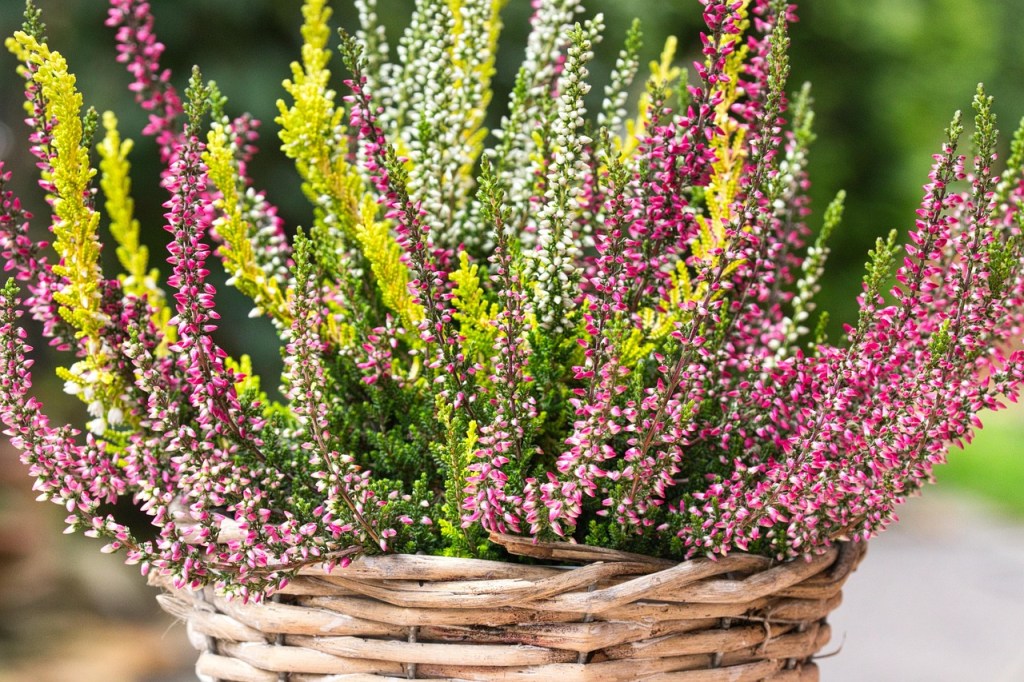
| Heather—the kind of plant that feels like it belongs to the wild, wind-blown hills of the UK yet settles just as well in a garden. Heather isn’t just a plant; it’s a mood, a landscape, a piece of folklore. Let’s get into it properly, no robotic jargon. I plant quite a bit of this out for clients mostly in winter baskets, but also in their ornamental beds. What is Heather? Heather is a low-growing evergreen shrub, part of the Ericaceae family. Its most well-known varieties belong to the genus Calluna (faithful Heather) and Erica (heath or winter heather). If you’ve walked through the Scottish Highlands, Yorkshire moors, or Cornish cliffs, you’ve brushed past it—those soft, scrubby mounds that paint the hills purple or pink from late summer into autumn. |
| Growing Heather in the UK The UK is practically made for Heather. It thrives in poor, acidic soil, a nightmare for fussier plants but perfect for this hardy beauty. It loves full sun and open skies and doesn’t mind the wind or the cold. How to grow it: Soil: Acidic, well-drained, peaty, or sandy is ideal. If your soil is chalky or clay-heavy, you can grow Heather in pots or raised beds with ericaceous compost. Light: Full sun. It hates shade. Give it the spotlight. Watering: Keep it moist when young, but once it’s established, it’s practically drought-tolerant. Pruning: Give it a light trim after flowering to keep it bushy and stop it from getting leggy. Tip: Never cut back into the old wood—it won’t regrow. Just snip off the faded flowers and the top inch or so of green growth. |
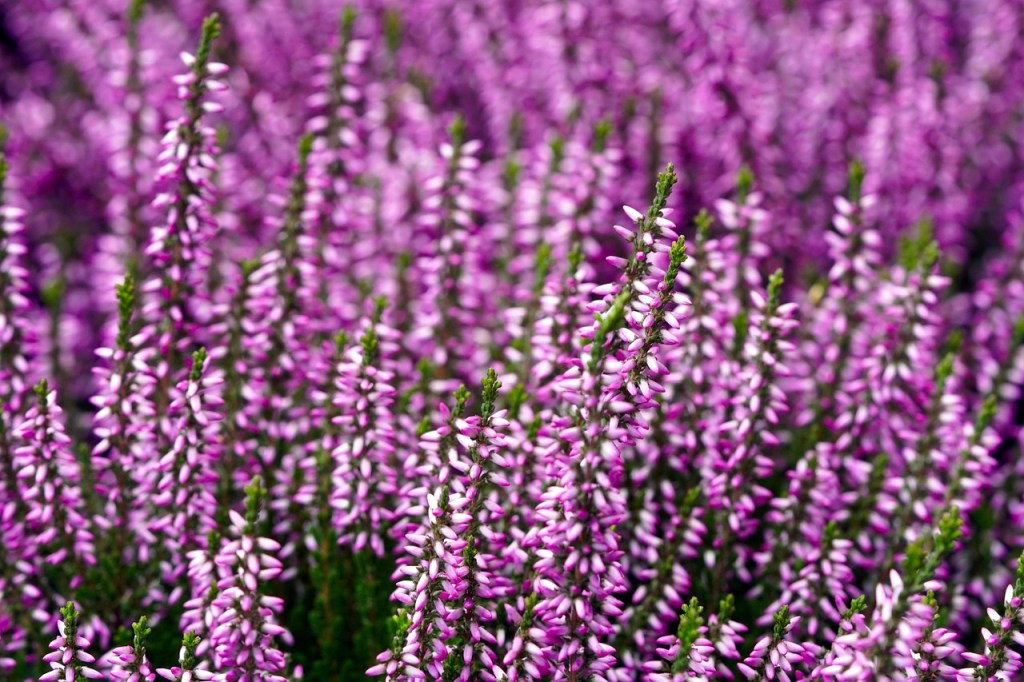
| Varieties to Love There’s a heather for nearly every season, and mixing types will interest your garden year-round. |
| Calluna vulgaris (aka Scotch heather): Blooms from late summer into autumn. It comes in purples, pinks, and whites—some even have copper or golden foliage. Varieties:‘Dark Beauty’ – deep crimson flowers ‘Firefly’ – orange-bronze foliage in winter, mauve flowers in late summer ‘Spring Torch’ – bright green growth in spring with pink flowers in late summer |
| Erica Carnea (Winter heath): Flowers from late winter through early spring—when almost nothing else does. It is ideal for providing nectar to bees in lean times. Varieties:‘Springwood White’ – pure white flowers look like snow on the ground. ‘Vivellii’ – magenta blooms, dramatic and early blooming |
| Erica cinerea (Bell heather): A summer bloomer, upright with bell-shaped flowers. Perfect for wild, untamed planting schemes. |
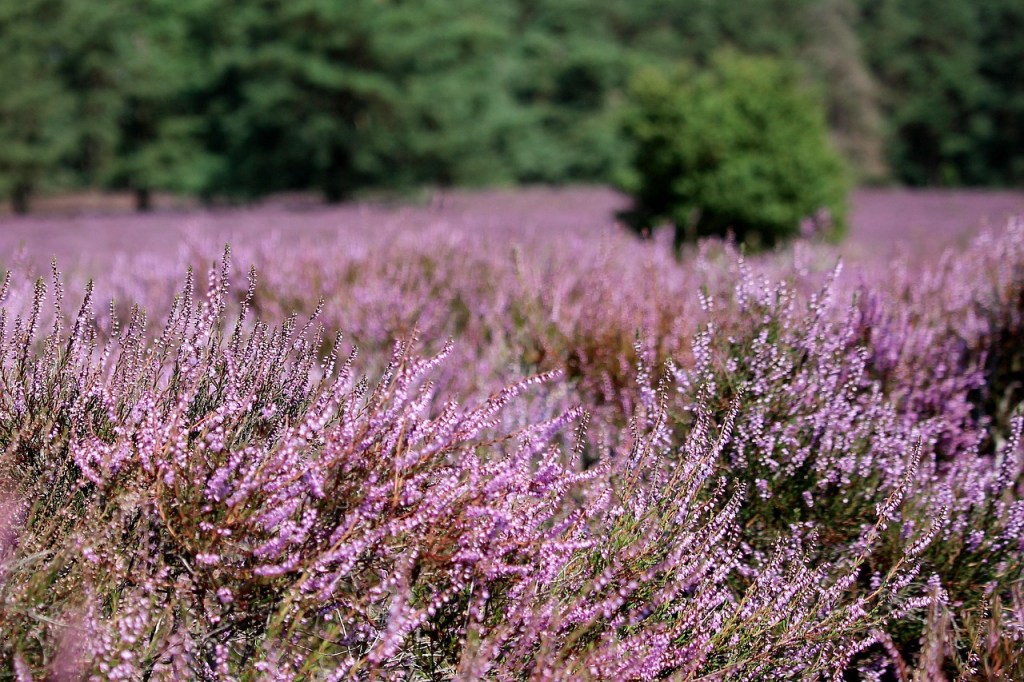
| Fascinating Heather Facts & Tips Heather and folklore: White Haff is lucky in Scottish lore—especially if you find it growing wild. It was often tucked into bridal bouquets or worn by soldiers going to war. A bee’s delight: Heather is loved by pollinators. Heather honey is a thing—deep, aromatic, and slightly bitter in the best way. Burning the moorland: On upland moors, controlled burning of old Heather encourages new growth, which provides better grazing for animals and nesting ground for birds like grouse. It’s controversial but very traditional. Ever-changing colours: Some varieties of heather change colour with the seasons—green in spring, golden in summer, and fiery bronze in winter. They’re like little seasonal clocks. |
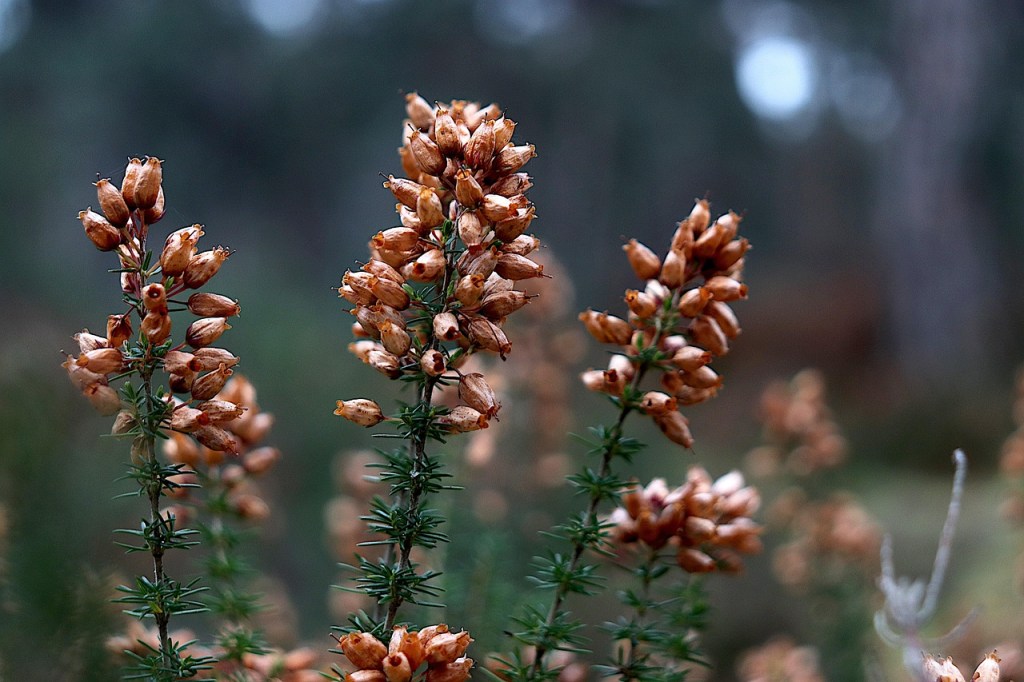
| Heather in the Garden – Pro Tips Heather isn’t just a pretty face; it’s a practical solution for your garden. It doesn’t just flower; it spreads—carpet tricky spots like banks or rocky beds with it, and watch as it transforms these areas into vibrant, low-maintenance features.Group it: Don’t plant just one—clumps of the same variety look natural and striking. Use odd numbers—three or five—so it doesn’t look too formal. Heather is a team player in the garden. Pair it with dwarf conifers, grasses, or rhododendrons for a classic look. Or go wild and mix it with ferns and mosses for a woodland feel. The possibilities are endless, and the results are always stunning. Pots? Yes. Just use ericaceous compost, and don’t let them dry out. Heather is one of those plants that doesn’t ask for much but gives so much back. It’s a link to wild landscapes, a gift to bees, and a lovely, soft texture in the garden that stays with you through the bleakest months. |
 Earthly Comforts
That’s awfully pretty – I could go for a yard full of heather…
LikeLiked by 1 person
I totally agree Grace, heathers are wonderfully versatile gap fillers as well 🙂
LikeLiked by 1 person