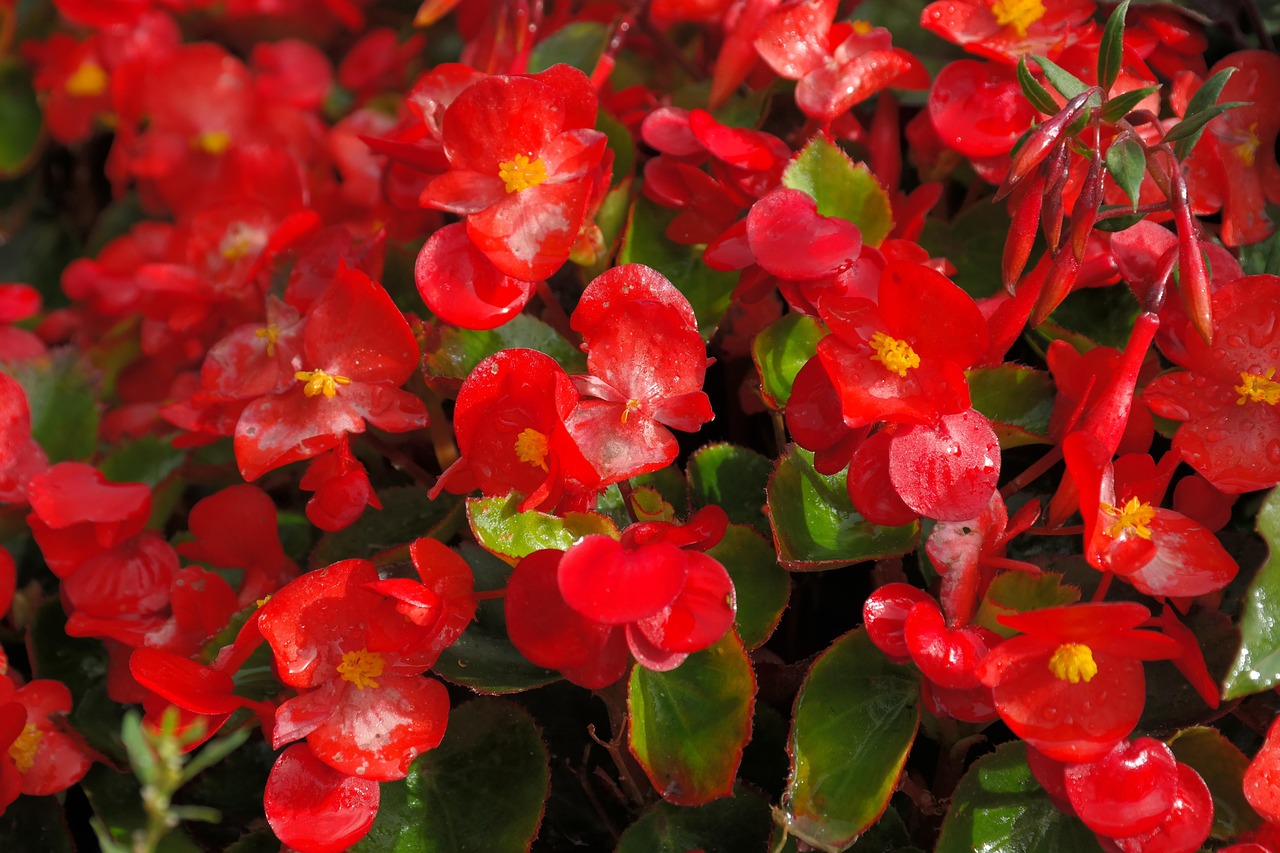
| Begonias Begoniaceae |
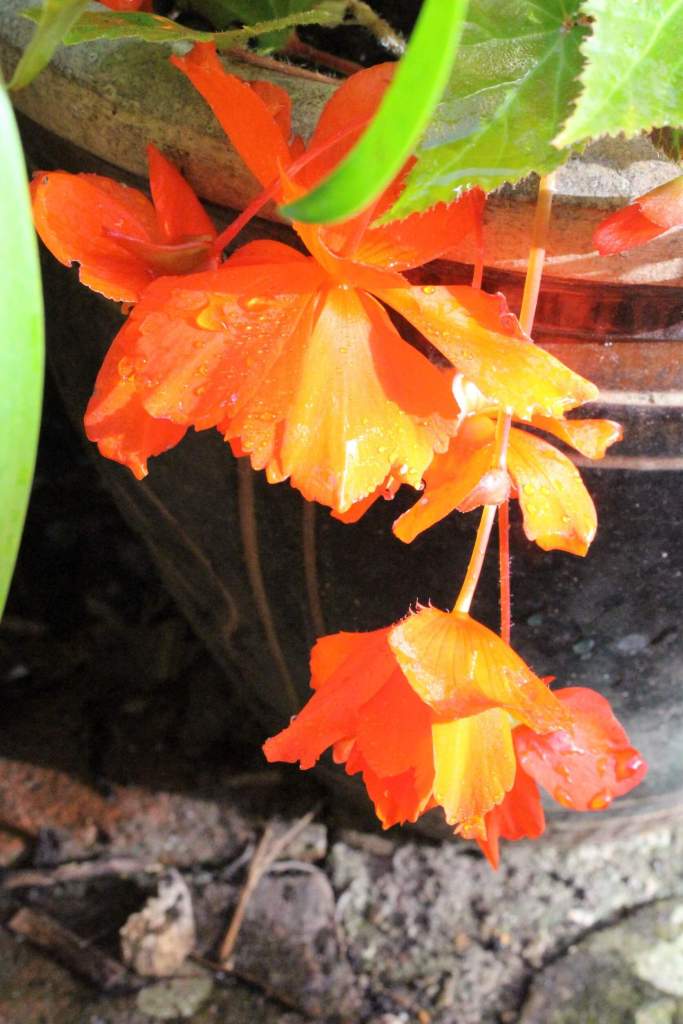
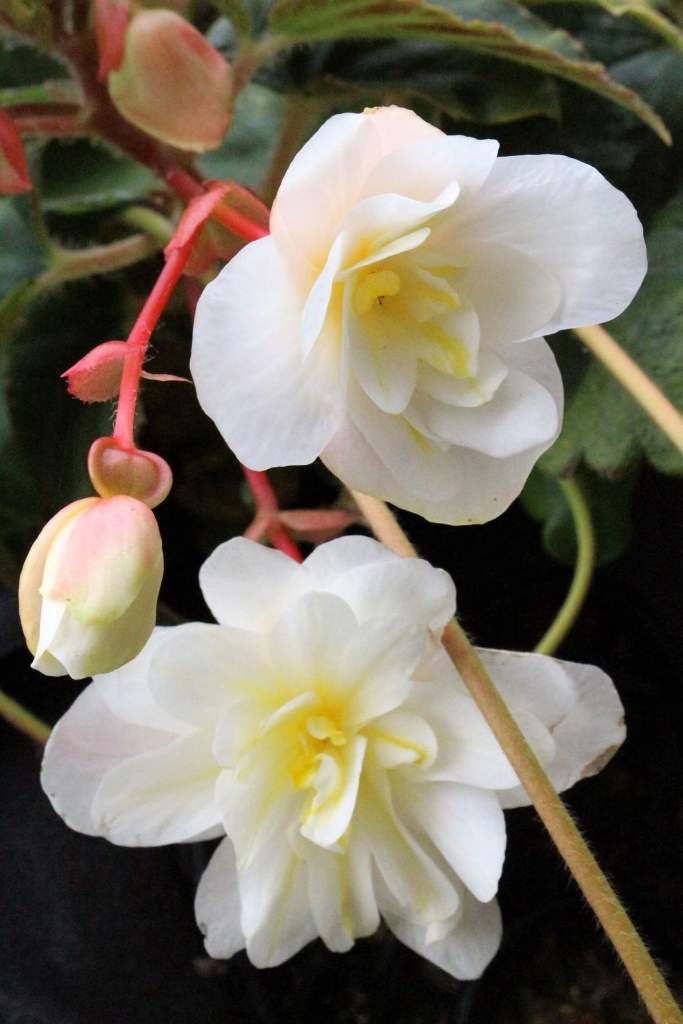
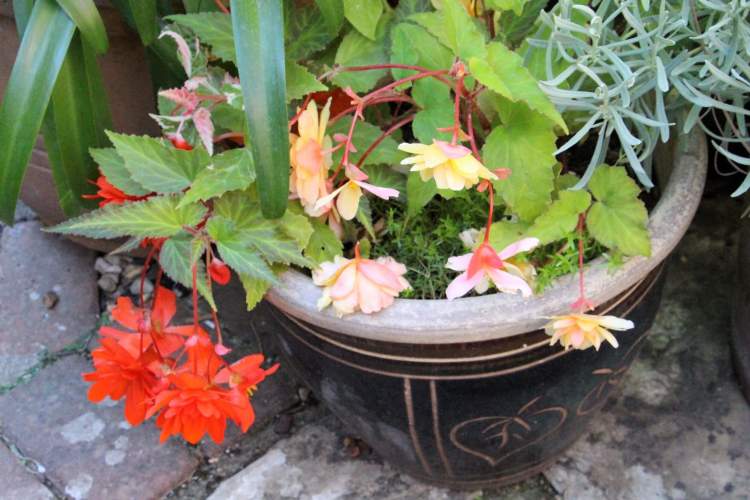


| Begonias are a diverse genus of flowering plants belonging to the Begoniaceae family. They are popular ornamental plants known for their striking foliage, vibrant flowers, and adaptability to various growing conditions. Here’s an overview of begonias: |
| Types of Begonias Begonias are generally classified into three main groups: Fibrous (Wax) Begonias have fibrous roots and are common in garden beds and containers. An example is Begonia semperflorens (wax begonia). Rhizomatous Begonias – Known for their thick, creeping rhizomes and attractive foliage rather than flowers. Examples: Rex begonias. Tuberous Begonias – Have tuberous roots and produce large, showy flowers. They are commonly grown as annuals or in containers. Examples: Begonia × tuberhybrida. |
| Growing Conditions Light: Most begonias prefer bright, indirect light; some (like Rex begonias) tolerate lower light, while tuberous begonias thrive in partial shade. Watering: Keep the soil moist but avoid overwatering, as begonias are prone to root rot. Soil: Well-draining, rich soil with organic matter is ideal. Humidity: High humidity is preferred, making them great for indoor growth. Temperature: Most begonias prefer warm temperatures (60–75°F or 16–24°C) and should be protected from frost. |
| Common Uses Garden Bedding Plants – Wax begonias are often used in flower beds. Houseplants – Rex begonias and other foliage varieties are popular for indoor decoration. Hanging Baskets & Containers – Tuberous begonias thrive in containers due to cascading blooms. |
| Propagation Begonias can be propagated through: Stem Cuttings – Common for fibrous and rhizomatous begonias. Leaf Cuttings – Effective for Rex begonias. Division of Rhizomes or Tubers – Used for rhizomatous and tuberous varieties. Seeds are less common due to their small size and slow germination. |
| Common Problems & Pests Powdery Mildew & Fungal Infections – This can occur in humid conditions with poor airflow. Root Rot – Due to overwatering. Pests: Aphids, spider mites, and mealybugs can attack begonias, especially indoors. |
| Fun Facts Begonias are named after Michel Bégon, a French botanist. Some species, like Begonia maculata (polka dot begonia), are famous for their unique patterned leaves. Certain begonias are edible and have a tart, citrus-like flavour. |
 Earthly Comforts
One thought on “The Guide to Growing Begonias”