| Are there organic ways to deter pests in the garden? |
| I’ve been gardening professionally for quite some time with the business and also over the years in various gardens as a domestic gardener or composter—through dry summers, wet springs, and occasional pest invasions that have nearly made me hang up my trowel due to the challenges you face. But over the years, I’ve found that the best defence in the garden isn’t found in chemical answers. It’s nature herself. Let me tell you about a few time-tested tricks that work with the land, not against it or as l sometimes just say…. Let Nature Be Your Garden’s Best Friend In the end, gardening isn’t about control but cooperation. Let your plants, bugs, birds, and Soil work together, and your garden will thank you. |
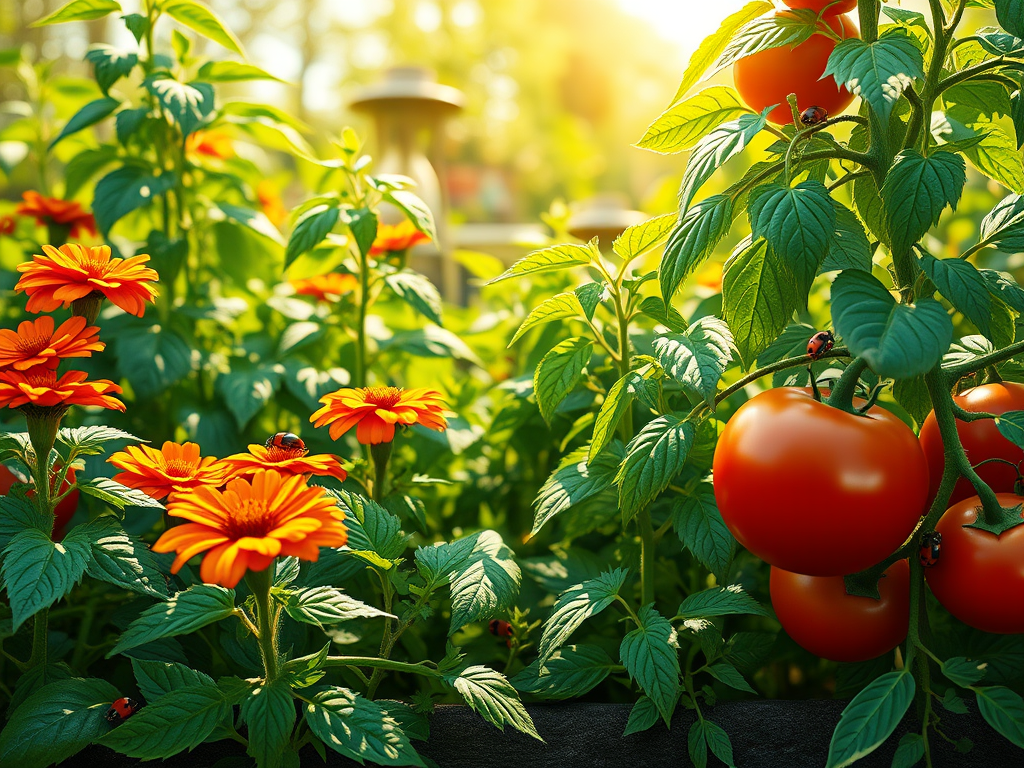
| Companion Planting: Plants That Watch Each Other’s Backs One of the oldest tricks in the book is planting crops that help each other grow and stay pest-free. Plants have their secret ways of talking—through scent, chemicals, and how they shade or support each other. Here are a few combos I never skip: Marigolds I tuck these cheery flowers around tomatoes, beans, and squash. Their scent sends nematodes, aphids, and whiteflies packing. Basil with Tomatoes Not only does it make your tomato sauce taste like heaven, but it also chases off mosquitoes and those dreaded tomato hornworms. Onions and Carrots These two confuse each other’s pests. The onion smell hides the carrots, and the carrot smell masks the onions. It’s like plant camouflage! |
| Recruiting the Good Bugs: Nature’s Pest Control Crew Forget trying to wipe out every bug in sight. The real trick is to roll out the red carpet for the helpful ones. Here’s who you want in your garden: Ladybugs These little ladies gobble up aphids like candy. Lacewings Their larvae, known as “aphid lions,” are tiny but mighty. Hoverflies May look like bees, but their babies are pest-eating machines. Parasitic Wasps This sounds scary, but they target bad bugs like tomato hornworms and take care of them from the inside out. Plant flowers like dill, cilantro, yarrow, alyssum, tansy, and fennel to invite them in. And for heaven’s sake, ditch the broad-spectrum pesticides. They kill the good guys, too. |
| Smelly Herbs That Keep the Bugs Away Some herbs smell strong to us—and downright awful to pests. Scatter these through your garden for a natural “keep out” sign: Peppermint & Spearmint Keeps ants, fleas, beetles, and aphids at bay. Lavender Great for relaxing and repelling moths and whiteflies. Garlic and chives Aphids and spider mites can’t stand them. Garlic spray even helps with powdery mildew. |
| Homemade Sprays: From the Pantry to the Garden You don’t need store-bought chemicals. Whip up these simple, safe sprays at home. Just remember to test them on a leaf or two first. Garlic-Chili Spray Blend garlic and chilli peppers with water, let it sit overnight, strain, and spray. This works wonders on aphids and caterpillars. Neem Oil Spray Straight from the neem tree, this oil works against hundreds of pests and fungi. Soap & Water Mild dish soap mixed with water can smother aphids and spider mites. After a few hours, rinse it off. |
| Trap Plants: Sacrifice a Few to Save the Many Some plants are like decoys, attracting pests so your prize crops don’t suffer. Nasturtiums Aphids and cabbage loopers flock to them, leaving your brassicas alone. Radishes Good for drawing away flea beetles. Mustard Greens Harlequin bugs love them. Handpick the pests or remove the whole trap plant. |
| Physical Barriers: Old-Fashioned and Still Effective Sometimes, the simplest methods are the best. Floating Row Covers Lay these over your crops to block bugs but let in sun and rain. Copper Tape Slugs and snails hate crawling over it. Wrap it around beds and pots. Eggshells or Diatomaceous Earth Sprinkle these around tender plants. They’re rough enough to stop slugs and caterpillars in their tracks. |
| Calling in the Bigger Helpers: Natural Predators Let the garden be a buffet for birds, bats, and toads—all of whom eat pests for breakfast. Birds Add birdbaths or houses; they’ll care for beetles and caterpillars. Bats A single bat can eat thousands of mosquitoes in a night. Please set up a bat house and let them go to work. Frogs & Toads Beetles, flies, you name it—they’ll eat it. A small pond or shady corner is all they need. |
| Healthy Soil = Happy Plants Last but not least, keep your Soil thriving. Healthy Soil means vigorous plants that can shrug off pests and diseases. Add compost and mulch to feed the microbes and keep moisture in. Practice crop rotation—don’t grow the same crop in the same spot every year. Mix it up! For example, follow tomatoes with leafy greens or beans. |
 Earthly Comforts
Thank you for the helpful tips, Rory.
LikeLiked by 1 person