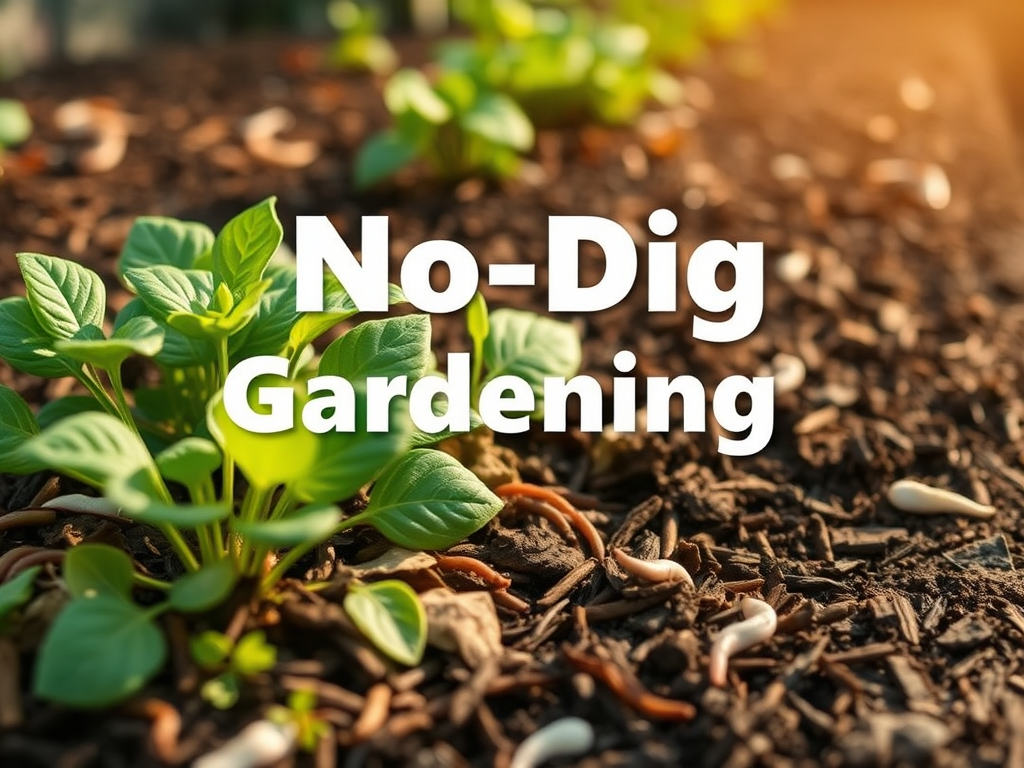
| Suze and I introduced the no-dig method to the allotment Plot 17 last year. We created soil using compost and leaf mulch, and then purchased topsoil to plant into for 2025. From the close of the summer 2025 season till the season of 2026, none of our beds will be deeply dug over again. We will simply add the top layers of mulch, and once spring returns, we will lightly turn the leaf mulch into the soil, making it ready for planting again. However, many people ask us, ‘What exactly is the no-dig method?’ What is it all about? |
| No Dig Gardening – Growing Without the Backache No-dig gardening means growing plants without turning the soil. It alters how your soil behaves, affects how your plants grow, and determines the amount of work you need to do. Less effort, more results. Why Skip the Digging? Before diving into how no-dig gardening works, it’s helpful to understand why skipping traditional digging can benefit your garden—and your back. Before diving into how no-dig gardening works, it helps to understand why skipping the digging step matters so much. Digging is a gardening tradition—turning the soil, mixing manure, and breaking up clods. But each dig disrupts the soil’s structure—worm tunnels, fungal threads, and natural layers. You also expose weed seeds to light, which encourages their growth. Leaving soil undisturbed allows underground life to thrive. Worms make channels, fungi share nutrients, and microbes break down matter. You aren’t neglecting the soil—just letting it function naturally. |
| The Core Method No-dig gardening’s core: feed soil from above, like a forest floor where organic matter falls and enriches the earth without anyone turning it over. Here’s the basic setup for a new no-dig bed: Clear the area (lightly) – You don’t have to strip the soil bare. If there are grass or weeds, simply flatten them down. Lay a weed barrier – Cardboard is ideal. Overlap the sheets so no light sneaks through, and remove any plastic tape or staples first. Add organic matter – A good 5–7 cm layer of compost or well-rotted manure is applied directly on top. This is your planting surface. Plant directly into the compost—seeds, seedlings, or bulbs. Mulch and maintain – Each year (or twice a year for more vigorous results), top up with additional compost to continue feeding the soil. That’s it. No digging or heavy spadework. Worms and microbes gradually mix the compost into the soil, improving its quality. |
| Benefits You’ll Notice Less weeding – Because you’re not bringing up buried seeds, you’ll have far fewer weeds sprouting. The cardboard layer at the start also prevents existing weeds from regrowing. Better soil health – Soil organisms thrive undisturbed. Over time, you’ll see crumbly, dark soil develop—the mark of rich earth. Improved water retention – Organic matter acts like a sponge, holding moisture for longer. This means less watering in dry spells. Less physical strain – No dig is a blessing if you don’t fancy wrestling with a spade or if bending and lifting are difficult. Year-round readiness – Because you’re not churning up the soil, beds can be planted earlier in spring and later in autumn without waiting for wet clods to dry out. |
| Tips for Success Start with good compost – The quality of your top layer makes a huge difference. Homemade is ideal, but well-rotted green waste or manure works just as well. Don’t skimp on the depth – thin layers won’t suppress weeds effectively or provide plant roots with enough space to start growing. Top up regularly – Once or twice a year, spread a fresh layer of compost. It’s like putting a duvet on the soil to keep it cosy and fed. Mulch pathways too – wood chips, bark, or more cardboard can stop weeds from creeping in from the sides. Patience pays – The first year might still see some weeds poking through, especially if you’re tackling rough ground. By year two or three, the soil will be in much better shape. |
| Adapting No Dig to Your Space No dig can be used almost anywhere—veg plots, flower beds, raised beds, or poor ground. It’s a great way to start a garden on unpromising soil: the compost gives plants a fertile start while the underlying soil improves. In small gardens, no-dig beds can be edged with timber, stone, or even just a tidy mound shape. In larger spaces, you can create broad strips with paths in between, making it easy to reach everything without stepping on the beds. For perennials like fruit bushes or shrubs, simply mulch around the base each year and avoid disturbing the roots. For annuals like veg, just replant into the refreshed compost layer each season. |
| What About Pests? Of course, any gardening method comes with its own questions—so what about pests in no-dig systems? As your garden grows, you may wonder about the practical challenges involved, such as dealing with pests. One worry people sometimes have is whether a layer of compost will invite slugs or other pests. In practice, healthy no-dig soils tend to attract a balance of predators and prey. You may still get some slug damage — especially in damp seasons — but the improved soil health and stronger plant growth often mean crops can withstand it. Encouraging natural predators, such as frogs, toads, and ground beetles, also helps. |
| Long-Term Results After a few years, your soil will become dark, crumbly, and full of life. Plants will grow deeper roots, need less feeding, and may be healthier and more resilient. The real magic is partnering with the soil, not battling it. The main “work” is adding organic matter yearly, far easier than traditional digging. |
| In Short No-dig gardening follows nature’s method—layers from above, life below, and you as caretaker. Whether your plot is small or large, this method saves time, your back, and improves the soil for years. |
 Earthly Comforts
Interesting concept, Rory. Thanks for sharing.
LikeLiked by 1 person