
| Autumn Maintenance Preparation It feels more or less official now here in the UK: autumn has arrived—whether or not the calendar says so. Interestingly, recent news articles point out that we don’t really have a term for an earlier-than-normal autumn, and yet that’s exactly what we seem to be experiencing. Already, leaves are beginning to blanket the ground and fill gutters, with tree-lined walks in town showing the unmistakable signs of the season turning. Wild fruits like blackberries ripened weeks ahead of schedule, while apple trees have been laden with fruit, so much so that many have already peaked and are now fermenting on the branch. This isn’t just nature being generous; it’s nature under stress. After four heatwaves and the driest spring on record, plants and trees have shifted gear, rushing to prepare for the colder months ahead. Our own allotment tells the same story: a bumper harvest of vegetables, bursting into abundance earlier than expected. Suze often remarks how much cooler the air feels now, and though I certainly notice the change, I admit I’m glad for the relief. After the heat, it’s a blessing to work outdoors without worrying about overheating—yet the shortening days and crisp mornings unmistakably whisper: autumn is here. And of course, clients ask me the same thing every year: “Are there jobs that need doing in autumn?” The short answer is yes—lots of them. Autumn is the season of preparation. It’s the time to clear, tidy, and set things in order so that gardens can rest well over winter and reawaken in spring. Leaves need collecting, beds mulching, lawns aerating, perennials cutting back, bulbs planting, and gutters checking. It’s also an excellent time to prune, sow green manures, and make compost from seasonal waste. In short, autumn is not the end of the gardening year—it’s the groundwork for the next one. |
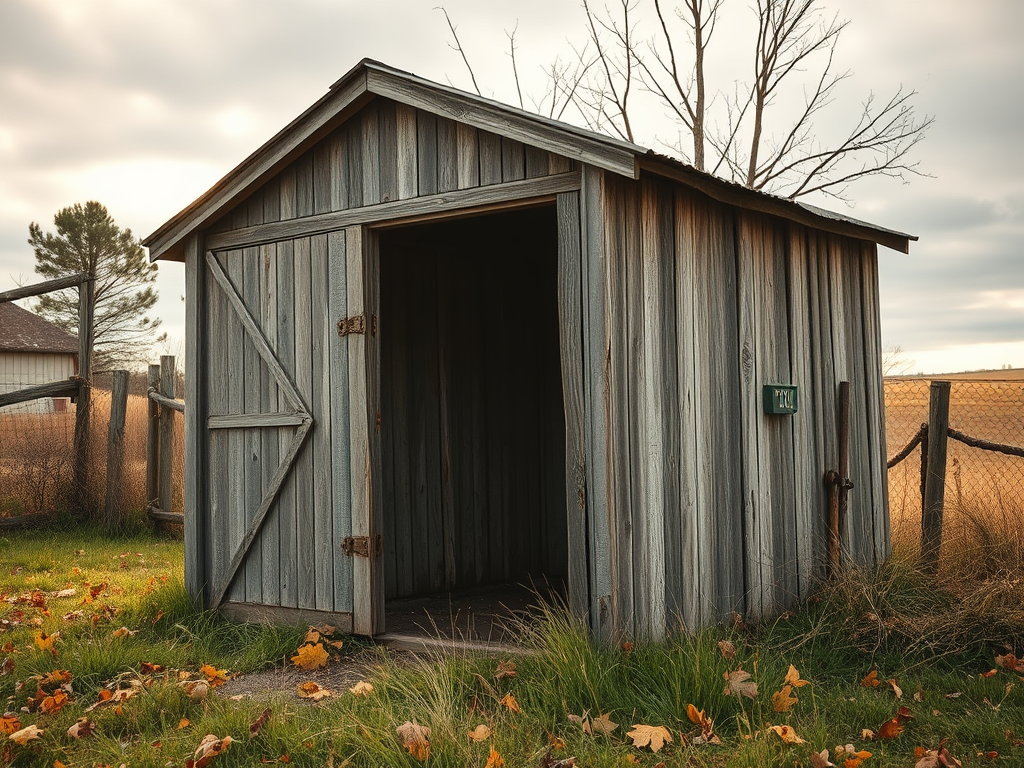
| Autumn Jobs: Prepping Your Garden for the Cold Months Ahead As leaves fall and nights lengthen, the garden shifts. Growth slows, flowers fade, and focus moves from planting to protection and preparation. Autumn isn’t just for raking leaves; it’s the time to safeguard the structures that support your garden each year. Cold frames, compost bins, and sheds work behind the scenes, sheltering plants, recycling waste, and storing tools. They face the elements every day. Pre-winter care extends their life and keeps your garden running when frost and rain arrive. Let’s explore key autumn tasks and their impact. |

| Repairing Cold Frames Cold frames are a gardener’s secret ally. Like small greenhouses, they trap warmth from the autumn sun and shield seedlings or cuttings from cold snaps. Their usefulness depends fully on their condition. Check glazing: Glass panes or sheets can shift, crack, or cloud over time. Clear panes let in vital light, so gently clean them off to remove algae and dirt. Replace damaged panels now rather than struggling mid-winter. Inspect hinges and lids: Frames that don’t close properly let in cold air. Tighten screws, oil hinges, and replace worn catches to open for ventilation on mild days and close tightly against frost. Seal edges: Gaps create drafts. Use weatherproof tape, filler, or new sealant to keep the interior stable. |

| Sealing Cracks and Gaps Garden structures age quietly. Wood expands and contracts, panels loosen, and small cracks appear. Autumn is the time to inspect sheds, storage boxes, and greenhouses closely. Why sealing matters: Gaps allow cold and moisture to enter, leading to rot, corrosion, and mold. Freezing water widens cracks further. What to check: Focus on joints, window edges, and where panels meet. At dusk, shine a torch inside—escaping light shows where repairs are needed. Simple fixes: Use weatherproof sealant for small gaps and filler or new slats for bigger ones. For greenhouses, replace worn seals around the glass for a big improvement. |

| Fixing and Fortifying Compost Bins Composting turns kitchen and garden waste into nutrient-rich matter. Bins work best in good condition, so autumn is the time to tune them up. Check the structure: Wooden bins loosen at joints; plastics may crack. Tighten screws, replace rotten slats, or patch holes. This keeps bins stable and prevents them from collapsing. Secure lids: Loose lids allow rain to enter, making the pile soggy. Cold slows decomposition. Use hooks or new hinges to keep lids tight and maintain a steady bin environment. Pest prevention: With fewer food sources, pests may target your bin. Block base gaps with fine mesh to keep pests out while allowing air to circulate. Insulation tricks: Heat speeds up composting. Wrap bins with old carpet or cardboard to keep them warm, allowing microbes to work through the colder months. |
| Why Autumn Maintenance Matters It’s tempting to delay repairs until spring. However, by then, minor issues may escalate into bigger problems, such as collapsing bins or leaky sheds. Autumn maintenance prevents these headaches. There’s a rhythm to this work. Autumn is a pause, when summer’s frenzy fades. Repairing and sealing now is like drawing curtains against winter—steady tasks that protect your investment. |
| Bringing It All Together Prepping for winter is about resilience. Snug frames, dry sheds, and steady compost bins support plants and garden routines. Come spring, your tools and structures are ready. Autumn jobs are small but important. Each sealed crack or tightened hinge extends your garden’s life and invests in future seasons. As temperatures fall and nights lengthen, prepping your structures gives peace of mind and practicality. When cold winds blow, your garden rests and prepares for spring’s return. |


It’s cooler where I live too, Rory, which seems a little early, but I welcome it.
LikeLiked by 1 person
Yes l welcome the cooler climes too Eugenia, although this week has been hard heatwise again, so much so it caught me out, l was hit with a mild case of sunstroke 😦
LikeLiked by 1 person
Yikes! Be careful, Rory! 😬
LikeLiked by 1 person
Yes, it caught me by surprise admittedly.
LikeLiked by 1 person