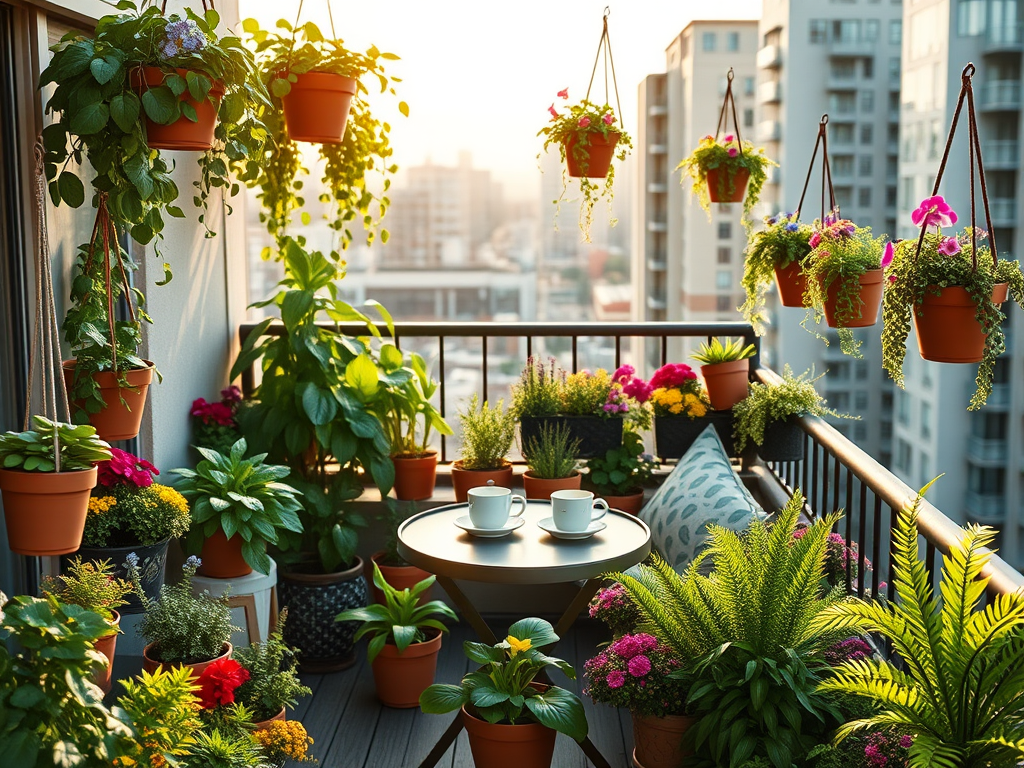
| I have a few balcony gardens on the client’s books—not the classic high-rise balconies people often picture first, but mostly elevated areas and patios above lawns. These spaces show that balcony gardens aren’t just for apartment living—they can thrive in a wide range of settings, bringing greenery and character to even the smallest or most unexpected spots. A balcony garden is a compact, elevated growing space—whether it’s a flat balcony, a terrace, or a raised patio—perfect for anyone without a ground-level garden. Despite their modest footprint, they can be lush, productive, and ecologically meaningful when carefully planned. With the right design, they become both beautiful and practical, offering a place to relax, grow food, and connect with nature. Why Balcony Gardens Appeal Part of their charm is how they transform an otherwise plain, hard-surfaced area into a living, breathing environment. They offer a cosy personal retreat for morning coffee or evening reading, a creative outlet to experiment with planting styles, and even a mini-wildlife haven for pollinators and birds. They’re also manageable—smaller than a traditional garden but still full of the therapeutic benefits that come with nurturing plants. Growing herbs, salad leaves, or strawberries can save money and add freshness to the kitchen, while flowers and foliage add seasonal colour and interest all year round. What Makes Balcony Gardens Special Microclimates: Every balcony has its own personality—sunny, windy, or shady—shaped by its orientation, height, and surrounding structures. Making the Most of Space: Vertical growing, container arrangements, and hanging planters can turn even the smallest space into a lush display. Practical Considerations: Lightweight pots and good drainage protect the structure from strain and prevent water from damaging areas—or annoying neighbours—below. Element Exposure: Elevated positions often face stronger sun, wind, or shade than ground-level gardens, so plant choice matters for success. In the end, balcony gardens are about more than plants—they’re about creating a small sanctuary that fits your life. They’re proof that with a little care and creativity, even a few square metres can be transformed into a vibrant, life-enhancing space. I am often asked by clients what plants perform well in balcony-style gardens? |
Plants That Thrive in Balcony Gardens
| Herbs | Herbs are ideal—compact, useful, and aromatic. |
| Basil | Thrives in warm conditions and requires regular watering; water when the top of the soil feels dry and pinch the tops to encourage bushiness. |
| Thyme | Low maintenance and drought-tolerant; let the soil dry between waterings and prune after flowering. |
| Oregano | Hardy and flavourful, prefers sun; water moderately and harvest leaves regularly to promote growth. |
| Rosemary | Woody, aromatic, likes dry soil and sun; avoid overwatering and trim to shape regularly. |
| Sage | Silvery leaves, good for hot and dry balconies; water sparingly and remove old leaves to encourage new growth. |
| Mint | Spreads easily; best grown in its own pot. Keep the soil moist and cut the stems back to prevent legginess. |
| Parsley | Likes consistent moisture, tolerates some shade; water regularly and cut stems as needed to promote regrowth. |
| Chives | Hardy and shade-tolerant; keep soil lightly moist and snip leaves as needed to encourage new shoots. |
| Coriander (Cilantro) | Prefers cooler temperatures, partial shade; sow seeds in intervals, keep soil moist, and harvest young leaves. |
| Vegetables and Edibles | *** |
| Cherry Tomatoes | Need full sun and support to climb. |
| Lettuce & Salad Greens | Quick-growing and do well in partial shade. |
| Radishes | Fast growers for shallow pots. |
| Spinach and chard | Grow well in cooler, partially shaded spots. |
| Peppers | Especially chillies, which love warm, sunny spots. |
| Beans and peas | Climbing varieties save space and fix nitrogen. |
| Flowers | These add beauty and support pollinators. |
| Geraniums | Tough and colourful, ideal for sun. |
| Petunias | Long bloomers with vibrant colours. |
| Fuchsias | Perfect for shade and hanging baskets. |
| Marigolds | Bright and pest-repelling. |
| Nasturtiums | Edible flowers and leaves, trail or climb. |
| Sweet peas | Scented climbers for cooler seasons. |
| Small Fruit | *** |
| Strawberries | Compact, great for hanging pots. |
| Dwarf blueberries | Need acidic soil, sun, and large pots. |
| Miniature citrus trees | Such as lemons or calamondins, require sun and shelter in winter. |
| Design Tips for Balcony Gardens Vertical planting – Use trellises, wall planters, shelves, or hanging baskets to create a vertical garden. Containers – Use a mix of pots (ceramic, fabric grow bags, recycled materials) with proper drainage holes. Companion planting—herbs like basil can help repel pests, while marigolds support healthy growth. Irrigation – Self-watering containers or drip systems can simplify care. Wind protection – Use screens, bamboo fencing, or hardy plants as windbreaks. Shelving and staging can maximize your space with tiered arrangements. |
| Sustainability & Balcony Gardening Composting – Small wormeries or bokashi bins can be easily accommodated on balconies. Rainwater collection – Mini barrels or buckets for watering. Organic growing – Avoid chemical fertilizers and encourage pollinators. Wildlife – Add bee-friendly plants, insect hotels, and small water sources. |
| Common Challenges Overwatering or underwatering – Containers dry out faster, especially in windy and sunny conditions. Wind scorch – Leaf damage from strong gusts. Overheating – Balcony tiles and pots can get extremely hot. Limited sunlight – Requires careful plant selection for shaded balconies. |
 Earthly Comforts
We have 30 spider plants in hanging pots, and on shelves on our balcony. Due to the southwest exposure, we use a shade to protect them from the sun. Hubby spends hours nurturing and maintaining them. He has sold many of them to neighbors, and through online markets.
In winter, we bring them inside, and keep several of them under a growth lamp. I think it’s been 12 years since we started.
Spider plants are highly effective at purifying indoor air by removing a range of harmful pollutants, including formaldehyde, xylene, toluene, carbon monoxide, and nitrogen dioxide.
LikeLiked by 1 person
Yes we also have spider plants here, although they are treated more like an indoor plant than an outdoor plant.
LikeLiked by 1 person