
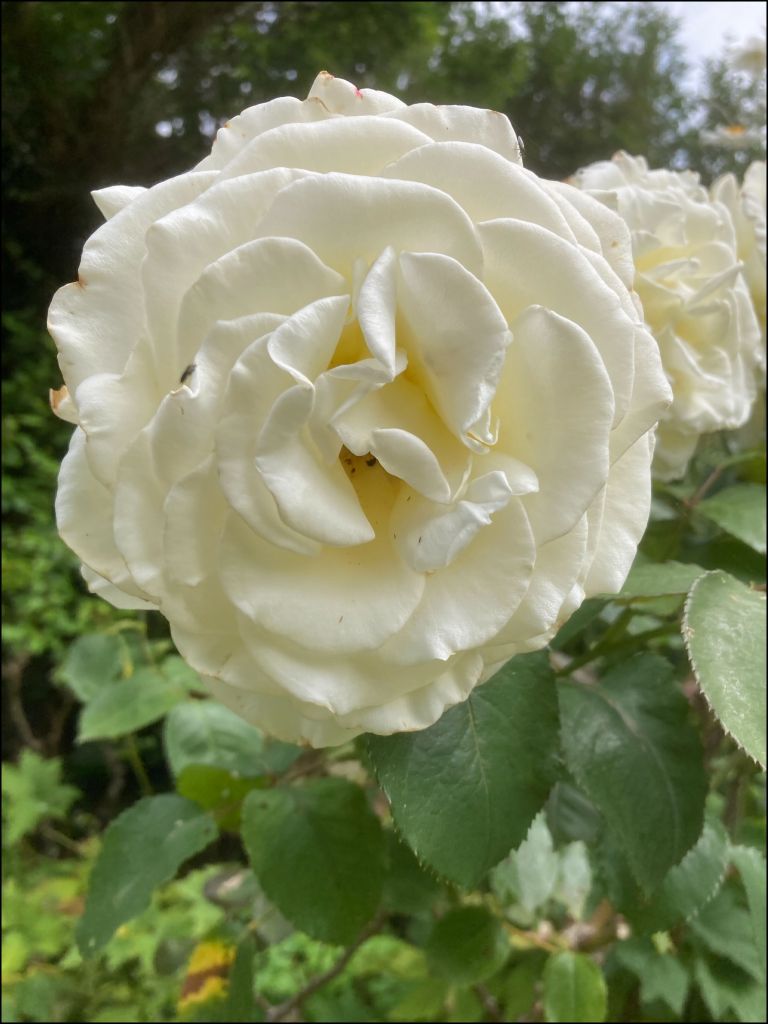

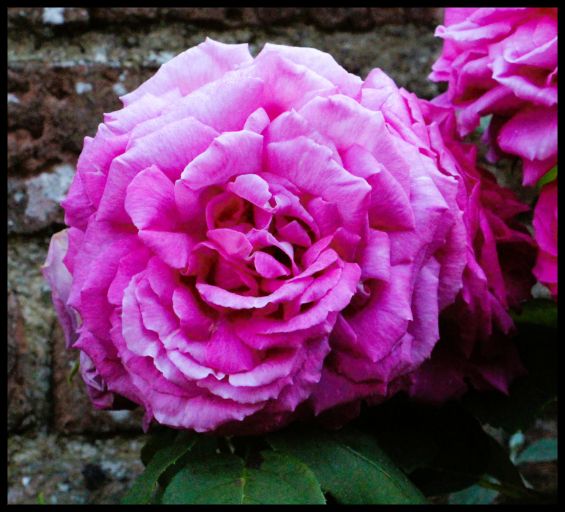
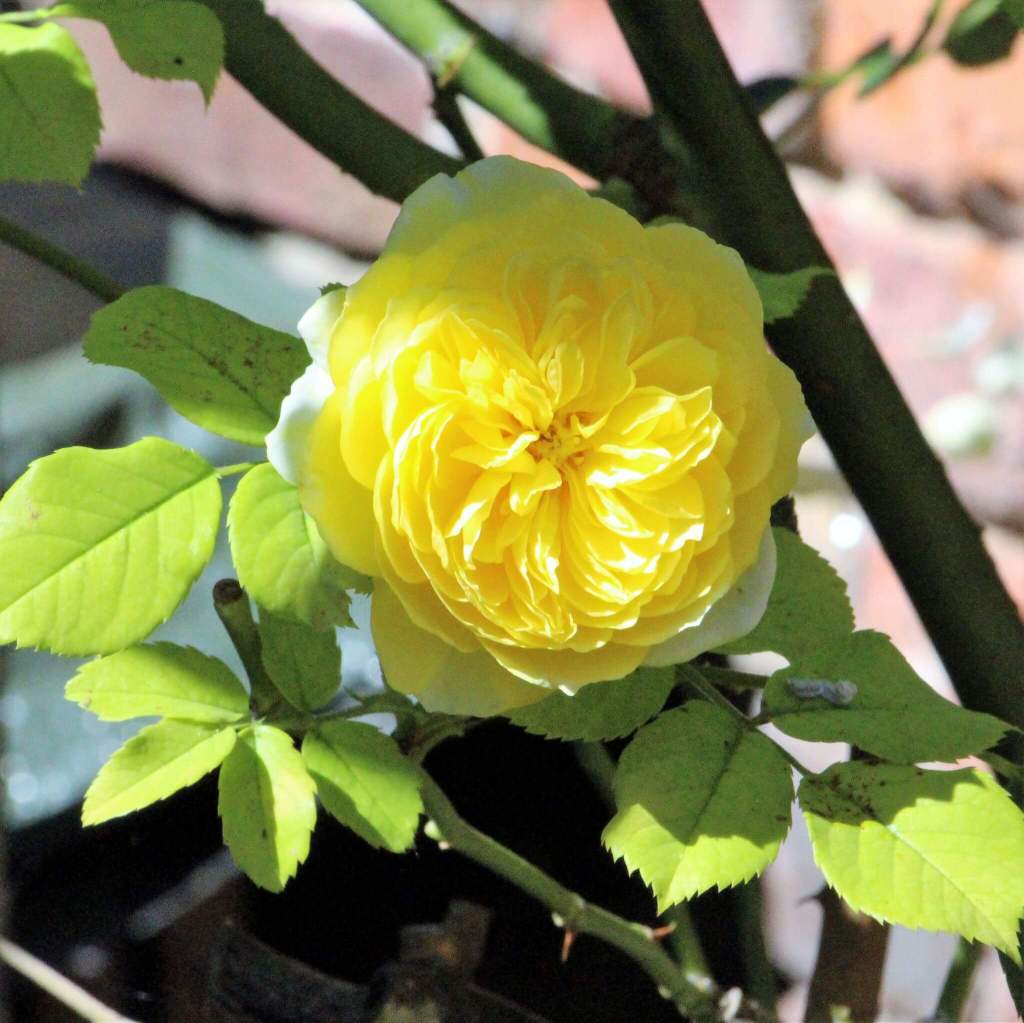
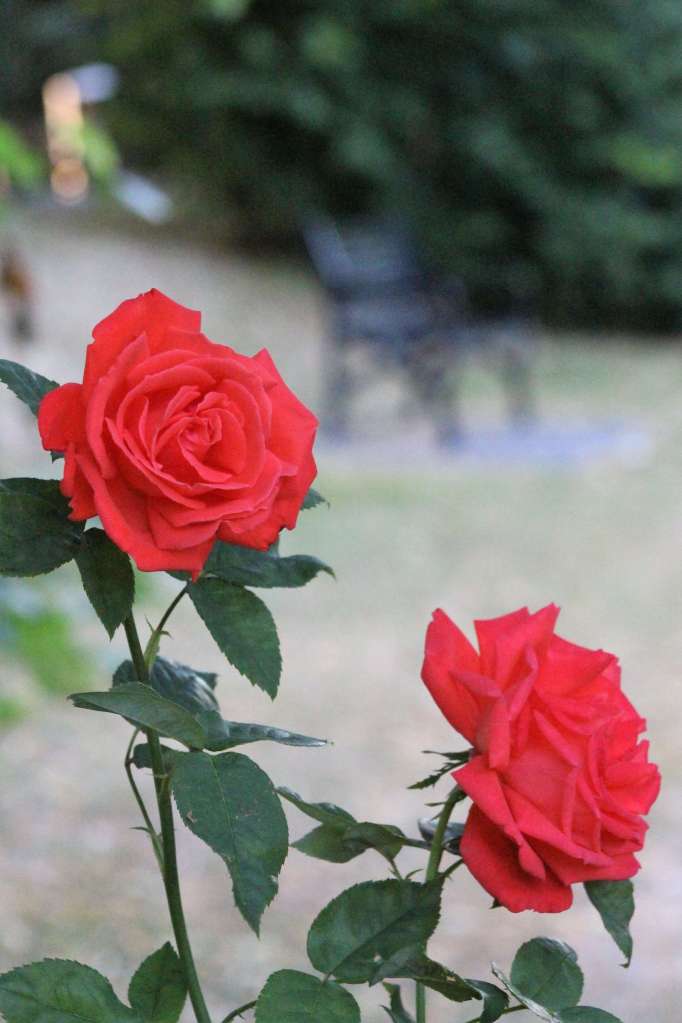
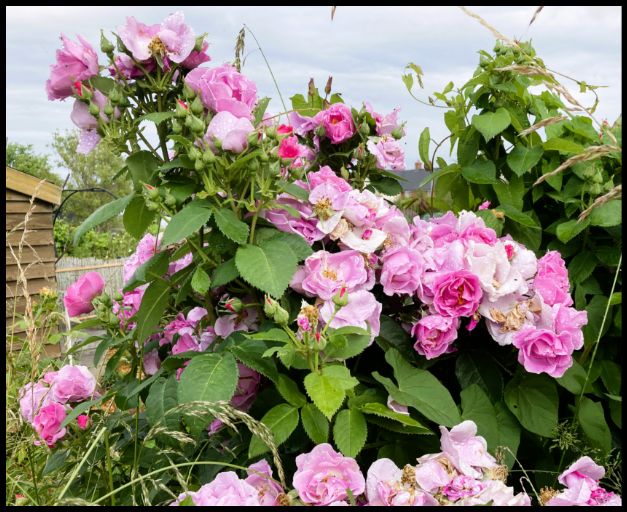


| Beauty, Thorns, and the Honest Work of Gardening Roses occupy a special place in gardens and in our collective imagination. They are celebrated in poetry, gifted to mark life’s milestones, and cultivated across continents for their beauty and fragrance. Yet behind the romance lies a plant that demands respect, patience, and a fair bit of resilience from the gardener. Belonging to the genus Rosa in the Rosaceae family, roses are woody perennial shrubs or climbers native to regions spanning Asia, Europe, North America, and parts of Africa. Their ability to adapt to different climates and soils has made them one of the most widely grown plants in the world, with over 300 species and many thousands of cultivated varieties. This is a plant shaped as much by human hands as by nature itself—and one that gives back generously, even if it does so with a few scratches along the way. A Long and Layered History Roses have been cultivated for at least 5,000 years. Early records place their origins in China, where selective breeding laid the groundwork for many of the traits we value today. From there, roses travelled along trade routes into the Middle East and Europe, where they became symbols of power, devotion, secrecy, and love. The Romans famously indulged in roses, using them in celebrations, perfumes, and even as floor coverings at banquets. In medieval Europe, roses took on political and religious significance, most notably during the Wars of the Roses in England. Later, the introduction of repeat-flowering Chinese roses into Europe transformed rose growing entirely, leading to the long-flowering garden roses we now take for granted. Some roses have endured far longer than any trend. The world’s oldest known living rose bush, believed to be over 1,000 years old, still flowers today against the walls of Hildesheim Cathedral—a quiet reminder of just how resilient this plant can be. The Reality of Working With Roses In many of the gardens I tend, roses are a regular feature, and in all truthfulness, I have to admit they are not the most pleasant plants to work with. Roses show very little mercy. Their thorns are sharp, persistent, and entirely unforgiving, catching sleeves, gloves, and skin with equal enthusiasm. You don’t really work with roses so much as negotiate with them—carefully. Despite this, and perhaps strangely because of it, I do love them. There is something gratifying about tending a rose well, even after the scratches. And when an original, old-style rose comes into bloom, the fragrance alone feels like fair compensation. That rich, unmistakable scent—soft, complex, and timeless—has a way of stopping you in your tracks and reminding you why gardeners have put up with roses for centuries. They may not be gentle plants, but they are honest ones. And sometimes, beauty that asks a little more of us is the kind that stays with us the longest. Understanding the Main Types of Roses Roses are broadly grouped by growth habit and flowering style. Understanding these categories helps gardeners choose the right rose for the right place—and set realistic expectations for maintenance. Hybrid Tea Roses Known for their large, elegant blooms on long stems, hybrid teas are the classic cut-flower rose. They are striking but often require more attentive care. Floribunda Roses These produce clusters of flowers rather than single blooms and tend to flower continuously. They are reliable, colourful, and well-suited to borders. Grandiflora Roses A cross between hybrid teas and floribundas, these roses combine height with generous flowering, making them ideal for bold garden statements. Climbing Roses With long, flexible stems, climbing roses are trained over walls, fences, arches, and pergolas. While they don’t climb on their own, careful tying creates dramatic vertical displays. Shrub Roses Often tougher and more disease-resistant, shrub roses are well-suited to informal gardens and wildlife-friendly spaces. Miniature Roses Compact and surprisingly hardy, miniature roses work well in containers, patios, and small gardens. Old Garden Roses These predate 1867 and are valued for their fragrance, charm, and resilience. Many flowers bloom once a year, but their scent and character are unmatched. The Language of Roses Roses have long been used to communicate emotion, often without words: Red – Love and deep romance White – Purity, remembrance, new beginnings Pink – Admiration, gratitude, gentleness Yellow – Friendship and joy Orange – Enthusiasm and fascination Blue – Mystery and the unattainable Black – Farewell or rebirth (symbolic rather than natural) This symbolic language continues to influence how roses are chosen and planted today, from memorial gardens to celebrations of love and friendship. Growing Roses Well Despite their reputation, roses are not difficult to care for when their basic needs are met. They thrive in full sun, ideally receiving at least six hours of direct light each day. Well-drained, fertile soil enriched with organic matter provides the foundation for healthy growth. Deep, regular watering—focused at the base rather than over the leaves—encourages strong roots and helps prevent disease. Pruning is essential, not only to shape the plant but to improve airflow and remove dead or diseased wood. While pruning roses can feel daunting, it is one of the most beneficial tasks a gardener can do for long-term health and flowering. Like many cultivated plants, roses can be prone to pests and diseases, including aphids, black spot, and powdery mildew. Good spacing, thoughtful watering, and organic treatments such as neem oil often keep problems manageable without harsh chemicals. Roses and Wildlife Roses are not just ornamental. Wide single-flowered and older varieties are excellent for pollinators, offering accessible pollen and nectar. Later in the year, rose hips provide food for birds and small mammals, adding seasonal value beyond the flowering period. Choosing roses with open centres and avoiding excessive spraying helps integrate them into a more balanced, wildlife-friendly garden. Beyond the Garden Roses have been used for centuries in perfumes, cosmetics, teas, syrups, and traditional medicine. Rose oil remains one of the most valuable essential oils in the world, requiring vast quantities of petals to yield a small amount. Even today, roses continue to inspire artists, writers, and gardeners alike. One modern rose, famously known as the Juliet Rose, reportedly took over 15 years to breed and cost around five million dollars to develop—proof that the fascination with roses is far from fading. A Plant Worth the Trouble Roses are not easy companions in the garden. They demand care, attention, and respect—and they will remind you of their presence with the occasional thorned lesson. But they also offer something rare: fragrance that carries memory, beauty that rewards patience, and a living link to centuries of shared human history. For all their sharp edges, roses remain timeless. And perhaps that balance of difficulty and delight is precisely why we continue to grow them. |
 Earthly Comforts
Gorgeous flowers! Thank you for sharing along with the information.
LikeLike
Thank you too Michele 🙂
LikeLiked by 1 person