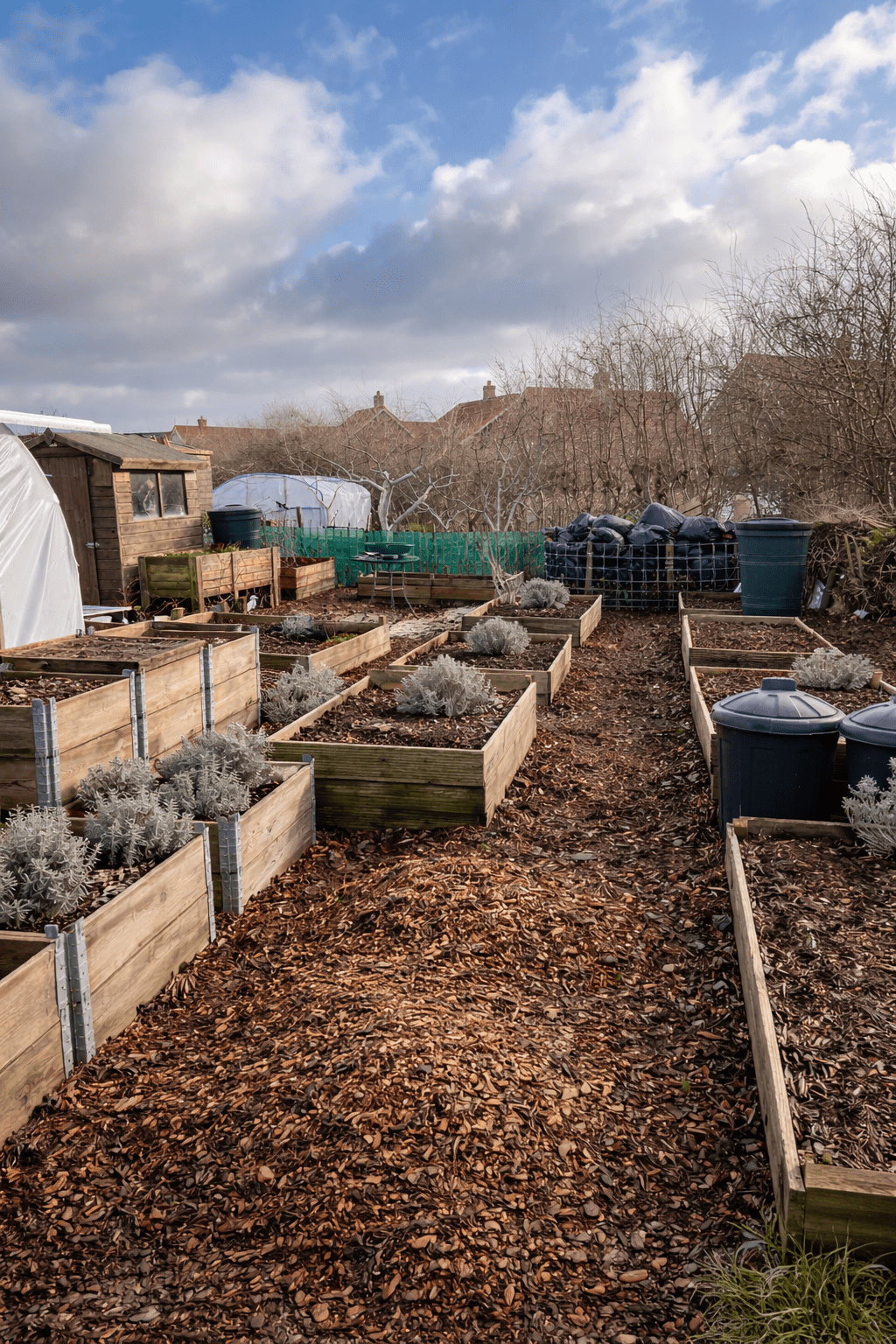
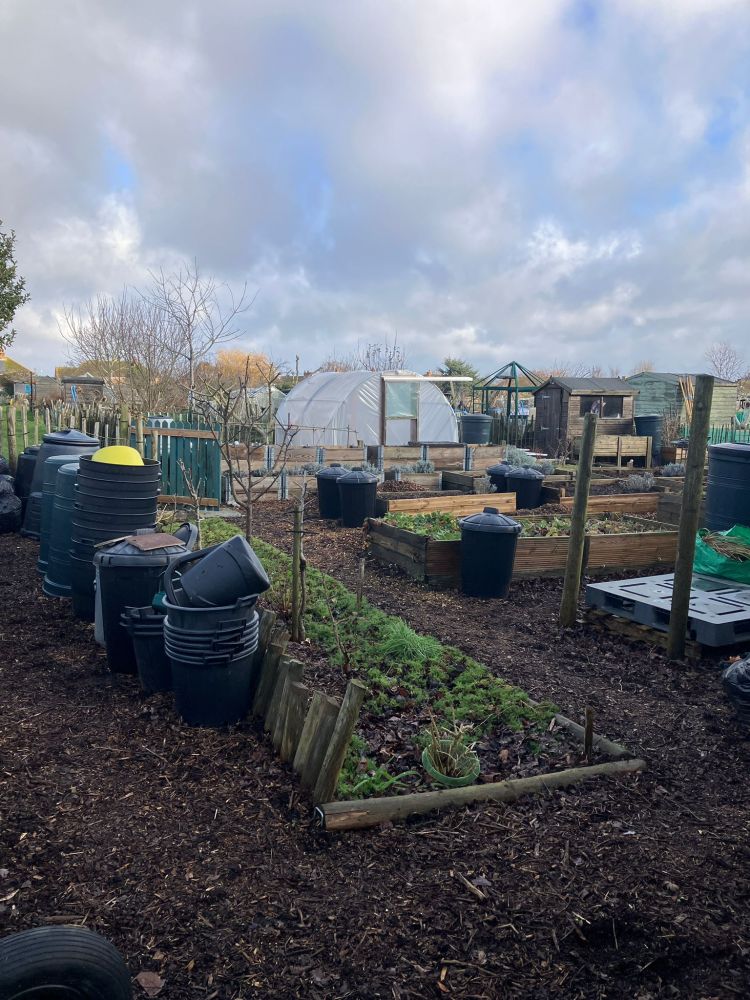
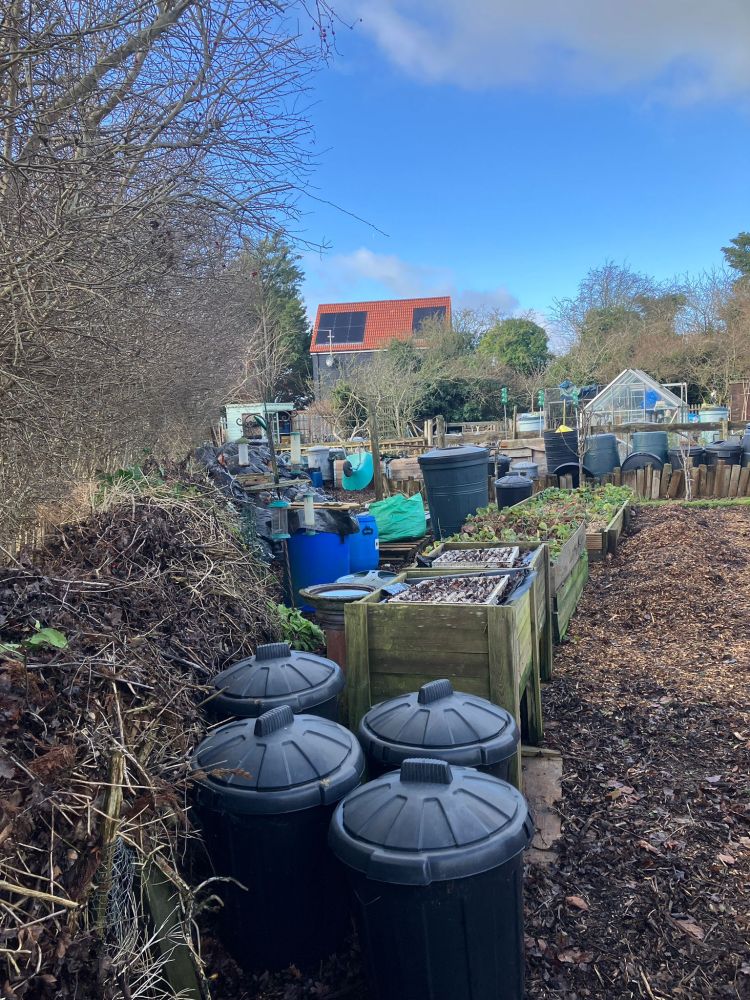
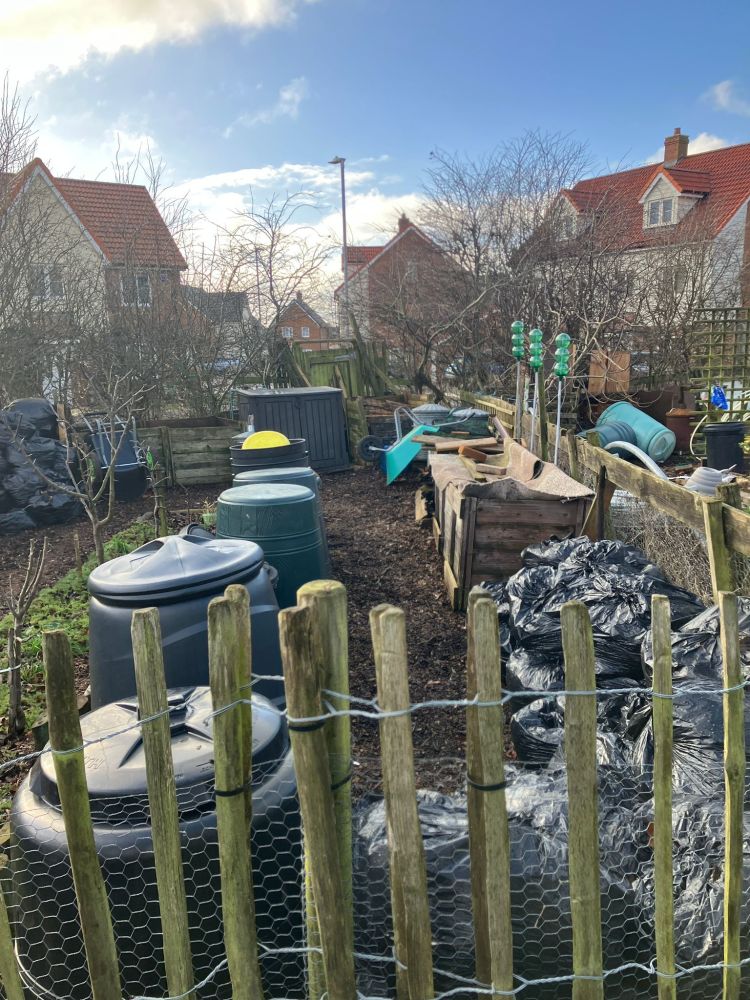
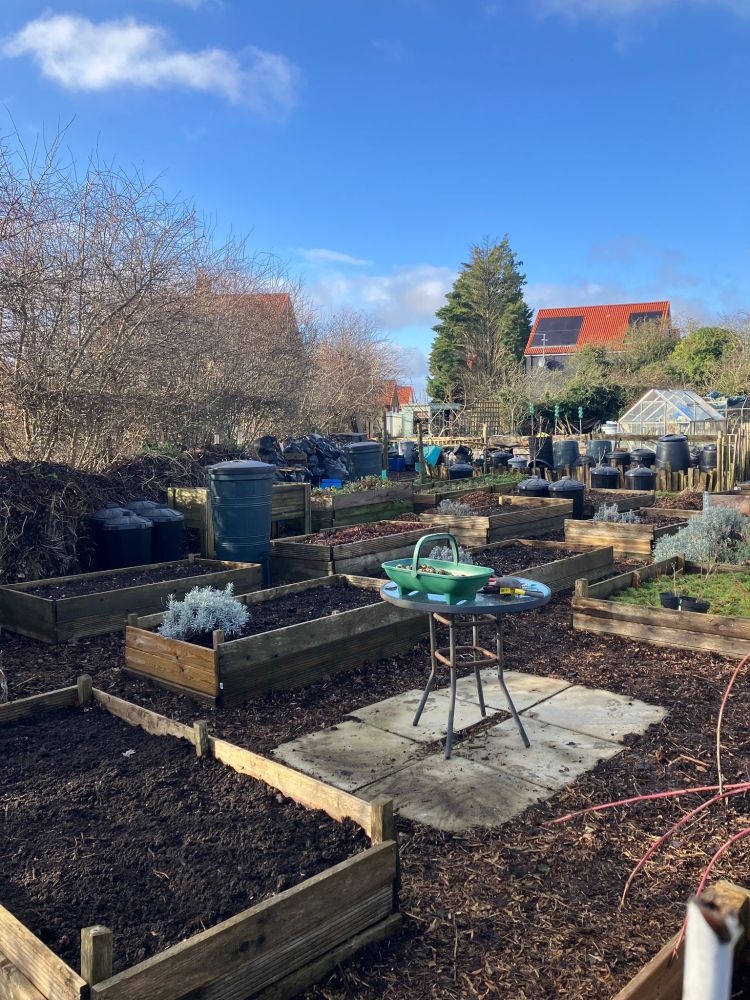
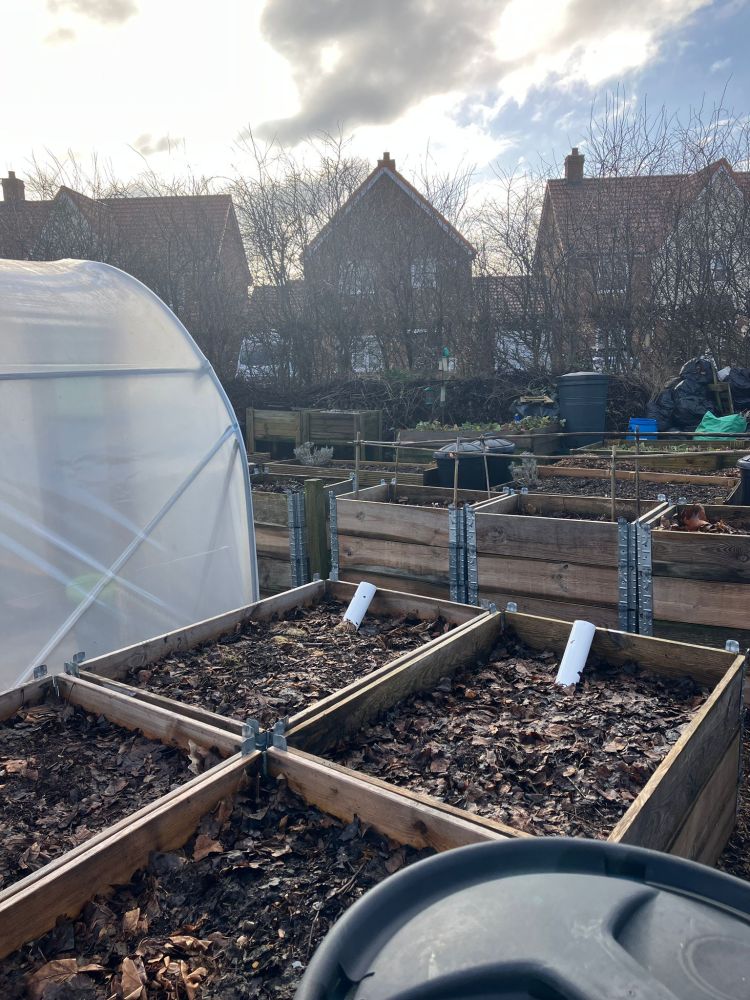
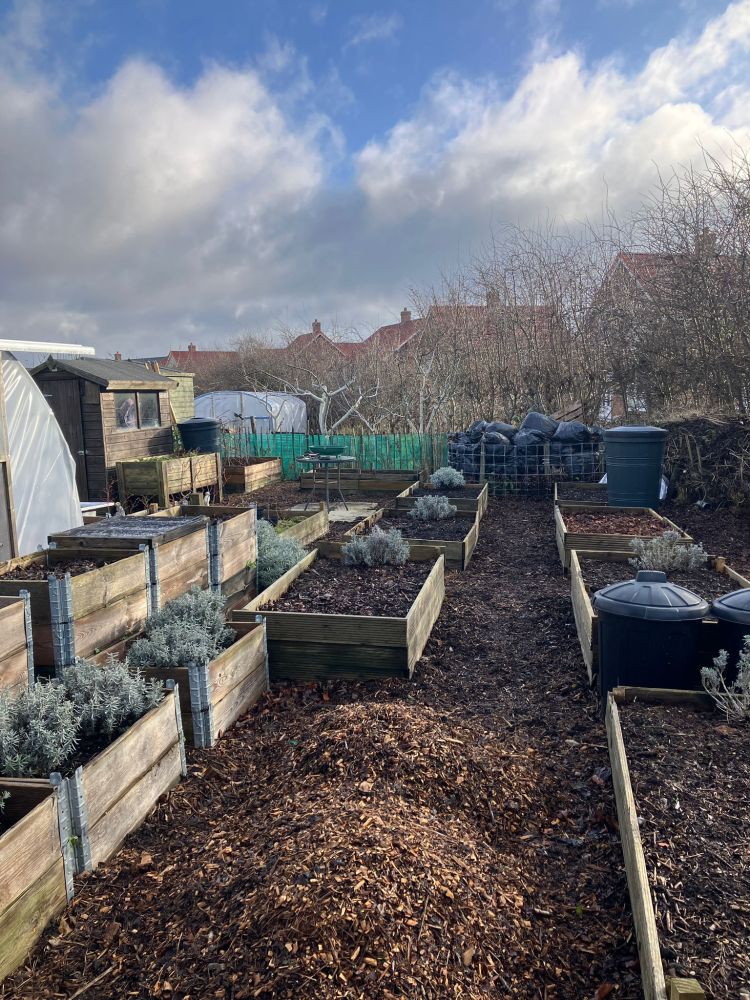
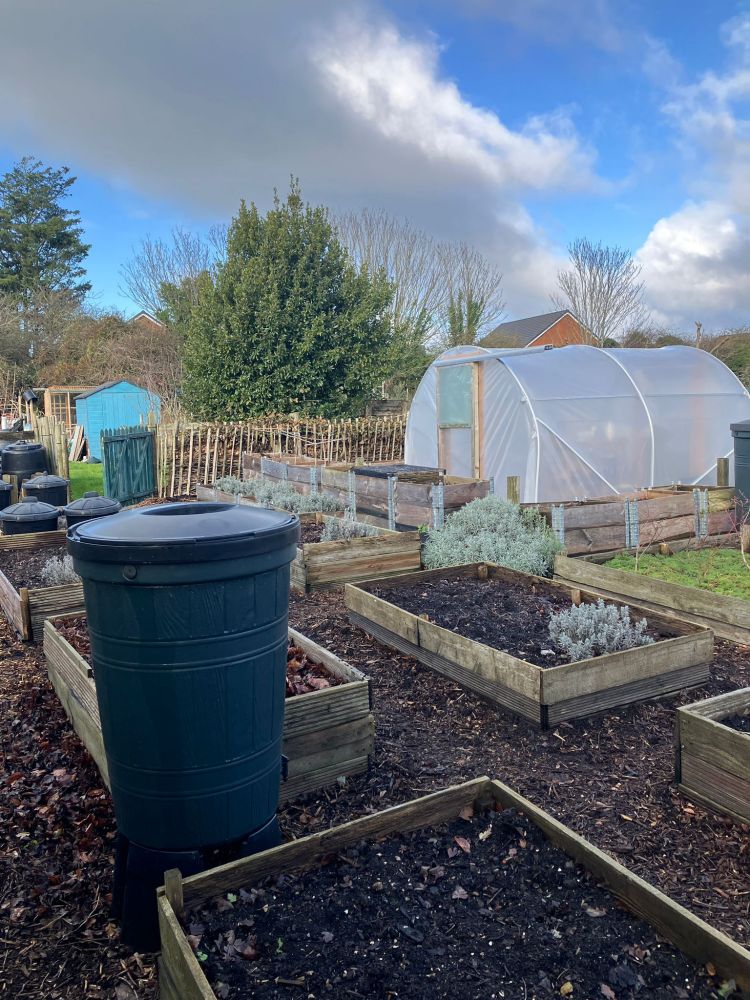
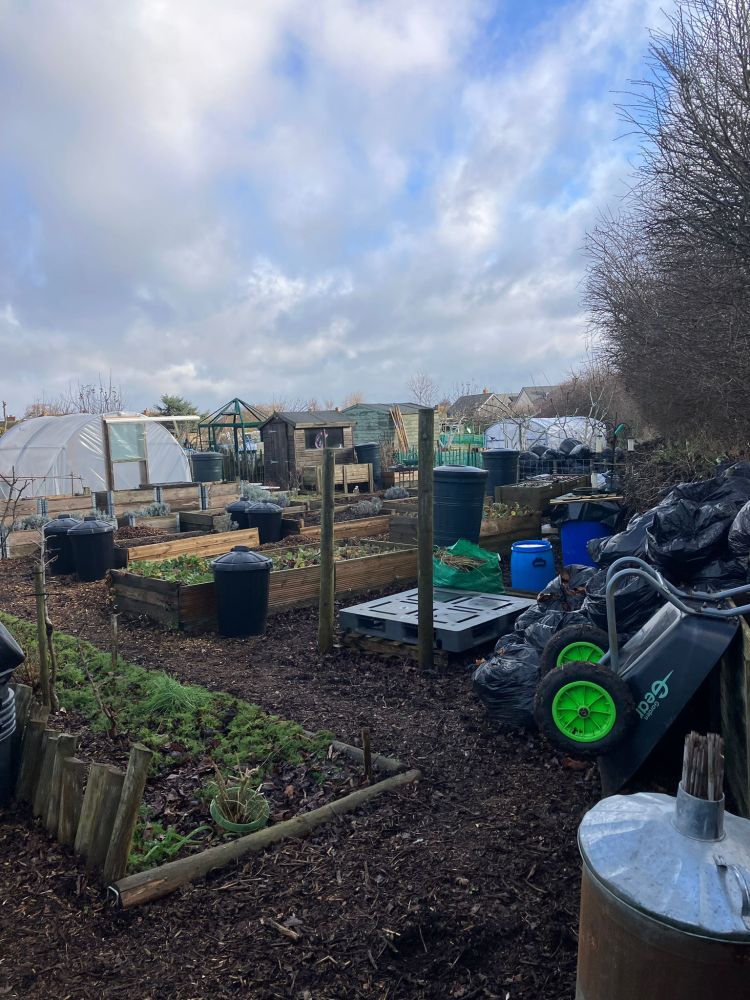
| A quiet, working allotment in a changing climate I was recently asked by a client whether Suze and I still have Plot 17. The short answer is yes. The longer answer is more interesting — because the plot, like most allotments across the UK, now sits inside a set of seasons that don’t quite behave as they used to. If you walk onto almost any allotment site in winter, the view is similar: muted colour, heavy ground, beds resting under compost or leaf mulch. To the untrained eye, it can look neglected, even abandoned. But what many growers are now doing — often quietly, without fuss — is shifting focus from what shows to what holds. The growing year no longer runs cleanly from A to B. It stutters. It rushes. It stalls. Winters are wetter and heavier. Summers arrive suddenly, often hotter and drier than expected. The old calendars still exist, but fewer people treat them as gospel. At Plot 17, this has meant working differently rather than harder. We haven’t been there as often as we’d like. Life, work, injury, and weather all play their part. But the work done has been deliberate. Nearly all the beds are covered — leaf mulch on top, soil life ticking away beneath. We’ve collected close to 250 bags of winter leaves from clients’ gardens, which are now slowly breaking down into future fertility. It’s not exciting work. It doesn’t photograph well. But it is foundational. This is something you hear echoed again and again among allotment growers now: winter is no longer about “doing nothing”. It’s about protecting structure, preventing damage, and preparing soil to cope with extremes. Wet ground compacts easily. Bare soil erodes. Covered soil survives. The irony is that as the seasons become more volatile, allotments are becoming more conservative spaces. Fewer people are chasing perfect rows or early bragging rights. More are hedging bets: staggered sowings, trial beds, and undercover growing where possible. A handful of winter crops grown not for abundance, but for understanding. Suze isn’t interested in year-round vegetable production for its own sake. But if a few crops can stretch into autumn, or overwinter reliably, that gently extends the productive year without forcing the land. That feels sensible. Measured. Respectful. There’s also a growing acceptance that water — once taken for granted — is now infrastructure. Water-harvesting stations, improved storage, mulching, and soil organic matter all come up repeatedly in conversations among growers. At Plot 17, a water harvesting setup has been “on the list” for years. Not through lack of will, but through lack of time and practical skill. Hopefully, this will finally be the year it moves from idea to reality. What’s striking is that this shift isn’t driven by theory or ideology. It’s observational. People are responding to what they see: heavier winter rainfall than a decade ago, sudden cold snaps following mild spells, heat arriving earlier and staying longer. The seasons haven’t vanished — but they’ve loosened. And yet, despite all this, the allotment still works. The dead hedge at Plot 17 is a good example. Despite its name, it hums with life. Birds, insects, shelter, decay, feeding renewal. It doesn’t mind if winter is wet or summer is hot. It absorbs variation. That, increasingly, feels like the goal. So yes — Plot 17 is still active. It may look quiet in winter. It may look drab. But underneath, it’s functioning. Around 90% ready for spring, compared with 70% at this time last year. Better prepared. Better buffered. The lesson many allotment growers are arriving at isn’t about fighting the changing seasons. It’s about building systems that can absorb them. Soil that drains yet holds moisture. Crops chosen for resilience rather than nostalgia. Work is done when conditions allow, and paused when they don’t. As for me, the passion is still there — even if the time isn’t always. I do what I can, when I can. And perhaps that, too, is part of learning how to grow in this new rhythm: steady, patient, and quietly adaptive. |
Plot 17 and the shifting seasons


What an amazing and hardworking couple you and Suze are. Bravo dear friends.
LikeLiked by 1 person