
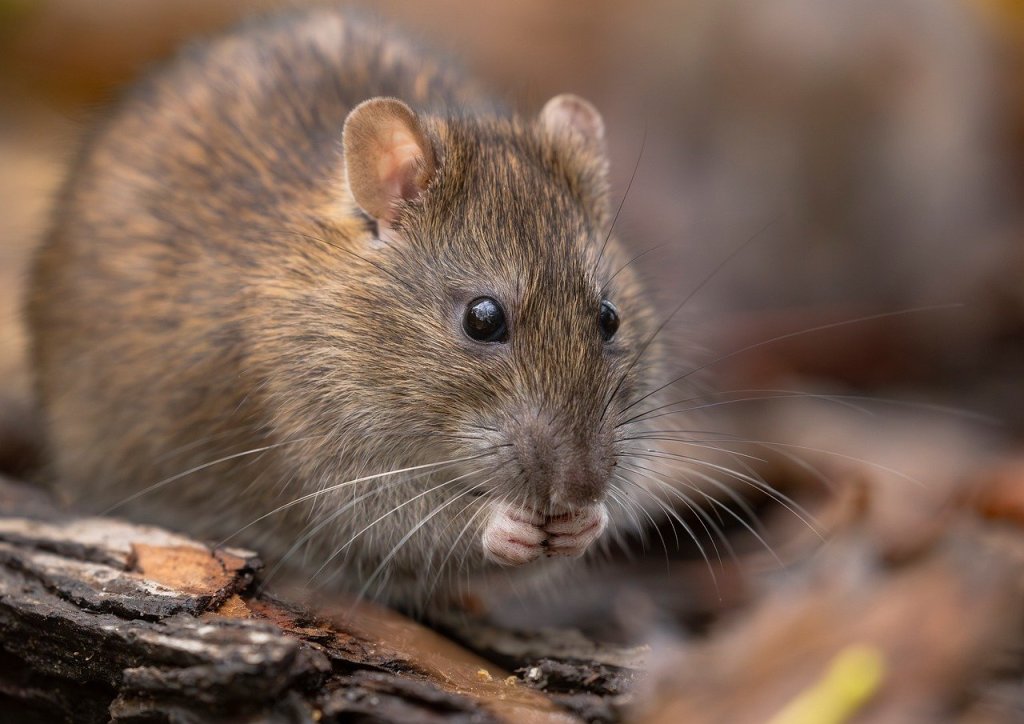
| Survivor, Scapegoat, and Master of Adaptation Few animals provoke such strong reactions as the brown rat. For many people, even the mention of it brings discomfort, distrust, or disgust. Yet beneath this reaction lies one of the most successful mammals on the planet — a creature shaped not by beauty or favour, but by intelligence, adaptability, and an extraordinary ability to live alongside humans. The brown rat is not a mistake of nature. It is a mirror. To understand the brown rat properly is to understand how environments are shaped, how waste and opportunity intersect, and how survival rewards those who can read change faster than others. |
| What Is a Brown Rat? The brown rat is a robust, medium-sized mammal with coarse brown or grey-brown fur, a blunt nose, small ears, and a long, scaly tail. It is often confused with other rodents, but it is heavier, stronger, and more muscular than many people expect. Despite its reputation, the brown rat is a highly social and intelligent animal. It has excellent memory, problem-solving skills, and the ability to learn from experience — including learning to avoid danger. This intelligence is one of the key reasons it has thrived wherever humans settle. A Body Built for Survival Everything about the brown rat’s body serves a practical purpose. Strong incisors grow continuously, allowing them to gnaw through wood, plastic, and even softer metals. Sensitive whiskers help it navigate in darkness. Excellent hearing and smell compensate for relatively poor eyesight. Flexible skeletons allow it to squeeze through remarkably small gaps. This physical toolkit makes the brown rat exceptionally good at exploring, exploiting, and escaping. It does not rely solely on speed. It relies on awareness. Living Where Humans Leave Opportunities Brown rats are not wilderness specialists. They are edge dwellers, thriving where resources concentrate. They are commonly found in: Urban areas and towns Farms and agricultural land Sewers and drainage systems Compost heaps and waste areas Rivers, canals, and coastal edges What links these places is not dirt, but availability — food, shelter, warmth, and water. Where humans create waste, store food, or disturb the ground regularly, brown rats often follow. They are not attracted to people. They are attracted to patterns. Highly Intelligent, Deeply Cautious One of the most misunderstood traits of the brown rat is its caution. Rats are naturally suspicious of new objects and unfamiliar changes. This behaviour, often called “neophobia,” is not stupidity — it is a refined survival instinct. A brown rat will: Avoid new food sources at first. Test unfamiliar areas carefully. Learn routes and escape paths. Observe threats rather than confront them. This is why poorly planned control measures often fail. The rat does not rush. It watches. Over time, this caution has made it extremely difficult to eliminate once established. Social Structure and Communication Brown rats are social animals that live in groups with clear hierarchies. Within these groups: Dominant individuals control access to food. Grooming reinforces social bonds. Scent marking communicates territory and status. Vocal sounds convey alarm, distress, or reassurance. Young rats learn from older ones, inheriting knowledge about safe routes, feeding areas, and dangers. This shared learning allows rat populations to adapt quickly to new conditions — including human attempts to manage them. Feeding Habits: Opportunistic and Omnivorous The brown rat will eat almost anything that provides energy. Its diet can include: Grains and seeds Fruit and vegetables Meat and fish Pet food Food waste Insects and eggs This omnivorous flexibility is one of its greatest strengths. When one food source disappears, another often takes its place. However, rats do not eat randomly. They prefer consistent, reliable food sources and will establish regular feeding routes once they find them. Reproduction and Rapid Expansion Brown rats reproduce quickly, but not recklessly. A female can produce multiple litters each year, with several young per litter. Under stable conditions, populations can grow rapidly. However, rats also self-regulate to a degree. When food becomes scarce or competition increases, stress levels rise, and breeding success can decline. This balance is often misunderstood. Rats do not multiply endlessly without cause. Population surges usually reflect abundant resources, not inherent excess. Why Brown Rats Cause Conflict The conflict between humans and brown rats is largely about overlap in habitat. Rats: Compete for stored food. Contaminate surfaces with droppings and urine. Damage structures through gnawing Undermine the ground with burrows. These behaviours are not malicious. They are simply rat survival strategies colliding with human expectations of order and cleanliness. Where infrastructure is poorly managed, waste is accessible, or buildings are neglected, rats exploit the gap. The problem is rarely the animal alone — it is the system surrounding it. The Rat as an Ecological Indicator As uncomfortable as it may sound, the presence of brown rats often indicates specific characteristics of an environment. They can signal: Poor waste management Food availability imbalance Structural weaknesses in buildings Disturbed or overused land Breakdown in ecological competition In this way, rats act as biological feedback. They reveal where systems are leaking resources. Remove the leak, and the rat problem often diminishes on its own. Myths, Fear, and Reputation The brown rat has carried a heavy symbolic burden for centuries. It has been blamed, feared, and used as a symbol of decay and disorder. While rats can cause genuine problems, much of their reputation stems from association rather than reality. They are not naturally aggressive. They do not seek conflict with humans. They avoid us whenever possible. Fear arises when boundaries collapse — when rats are forced into the open due to pressure or a lack of refuge. What the Brown Rat Teaches Us Whether we like it or not, the brown rat has lessons to offer. It teaches us that: Intelligence thrives in overlooked places. Adaptability is a powerful survival tool. Waste creates opportunity Control without understanding rarely works. The brown rat is not a failure of nature. It is a success story shaped by human landscapes. Living With an Uncomfortable Truth No one is asking us to admire brown rats. But understanding them — properly — enables better decisions, better management, and fewer repeat mistakes. When environments are cleaner, more balanced, and better designed, rat populations naturally decline. When they are chaotic and leaky, rats move in. The brown rat does not create disorder. It moves into it. And that makes it one of the clearest, if least welcome, messengers in the natural world. |
| Unless otherwise stated, all featured images are original works created independently or with the assistance of AI. This piece was developed through a collaborative writing process involving human authorship and AI-assisted drafting, and all views expressed are those of Earthly Comforts. |
 Earthly Comforts
I enjoyed this, Rory, and believe everything in nature has a role.
LikeLiked by 1 person
Hey Eugenia, glad you enjoyed it and yes, everything does.
LikeLiked by 1 person
You’re welcome, Rory.
LikeLiked by 1 person